

Over the past few years, we started doing homesteading things (chickens, canning, etc) and let’s just say.. everybody makes it sound so easy.
“All ya need to do is get yourself a a cute little coop, toss some chicks in a box, collect eggs every morning like some kind of pioneer woman, and live happily ever after. It’s easy, just try it!”
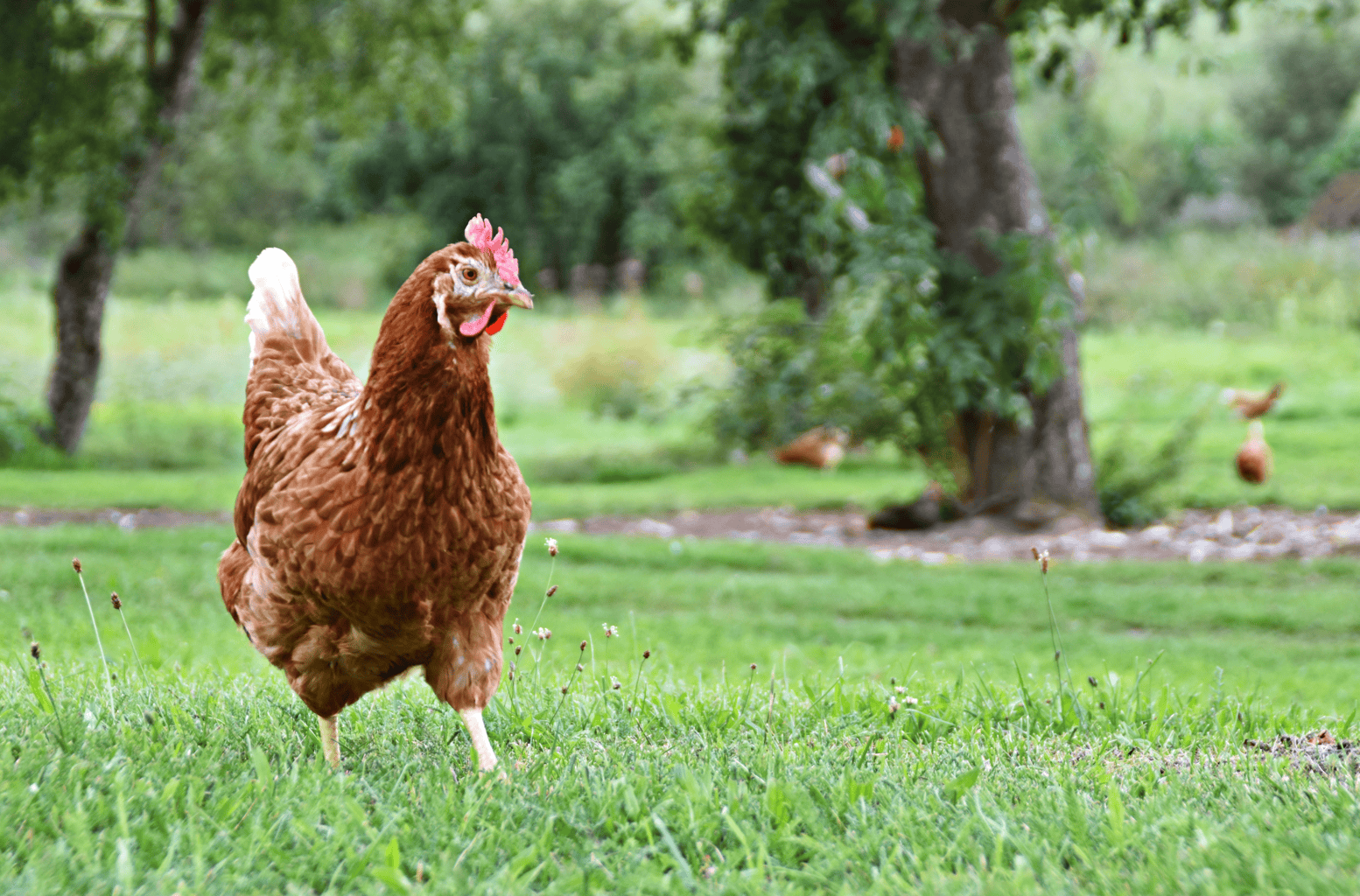
HA! What a fantasy.
Let me start by saying that everything we’ve taken on has been completely and utterly worth it. And I would do it again and again. But don’t let those Pinterest inspiration creators trick you because it’s not a walk in the park.
For example, keeping chickens is a lot of ups and a lot of downs.
I meticulously documented our mistakes as we started and really started to get the hang of it so you don’t have to learn these things the hard way.
MISTAKE #21: Falling for “chicken math”
Chicken math is REAL..
You go into your local tractor supply store and you’re planning to get four hens. But then, you see the little peeping fuzzballs, and suddenly you’re driving home with twelve little babies. WHOOPSIE!
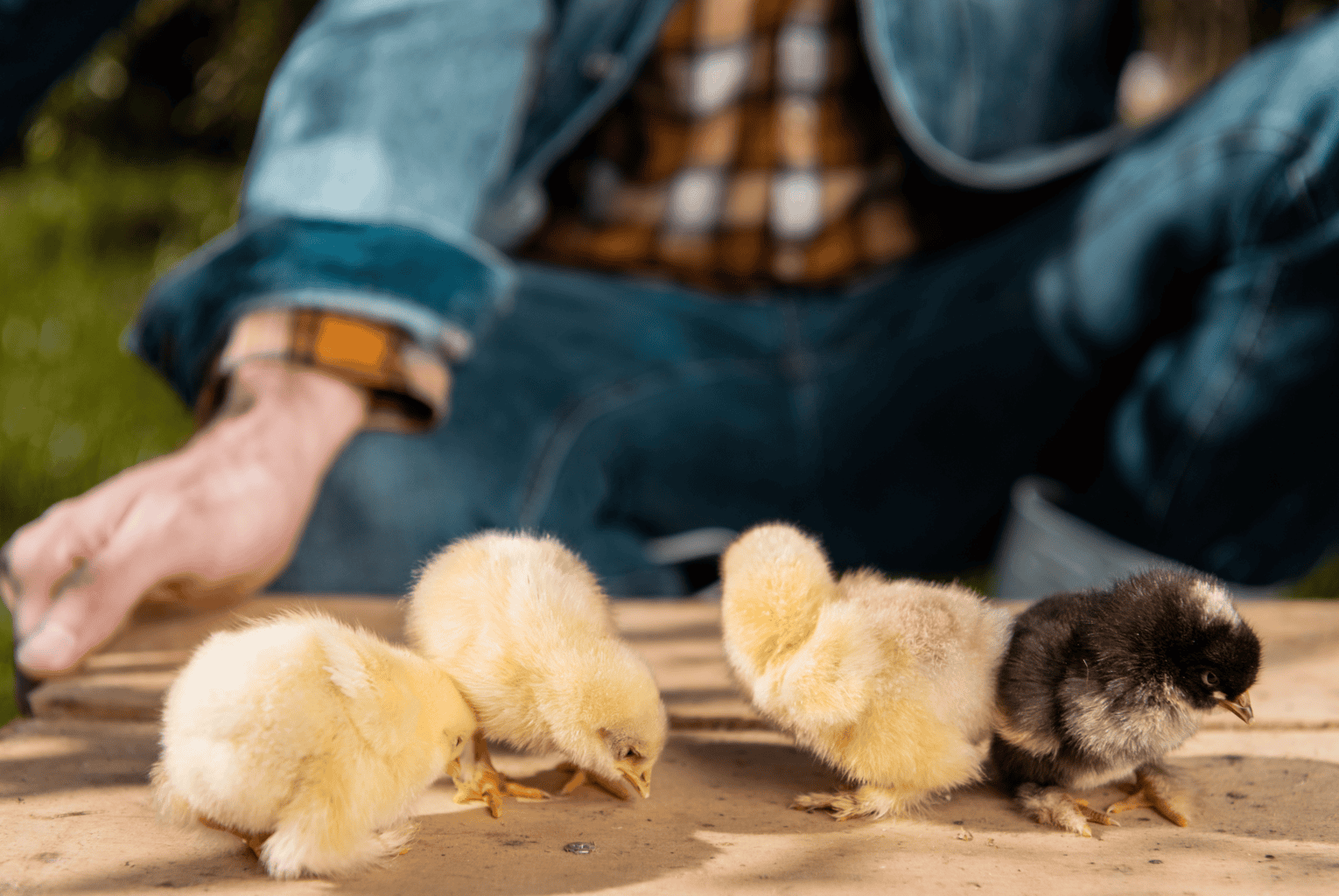
And it’s not just me. Ask anyone who keeps chickens how many they started with versus how many they have now. The number always went up because chicks are cheap.
Plan your flock before you walk in the door, then subtract two, because you will not be able to help yourself.
MISTAKE #20: Picking a breed because it’s exotic or pretty
This might sound silly to some, but we picked our chickens the way you’d pick paint colors. Ooh, that one’s fluffy, let’s get that one! And that one’s got polka dots! Let’s get it!
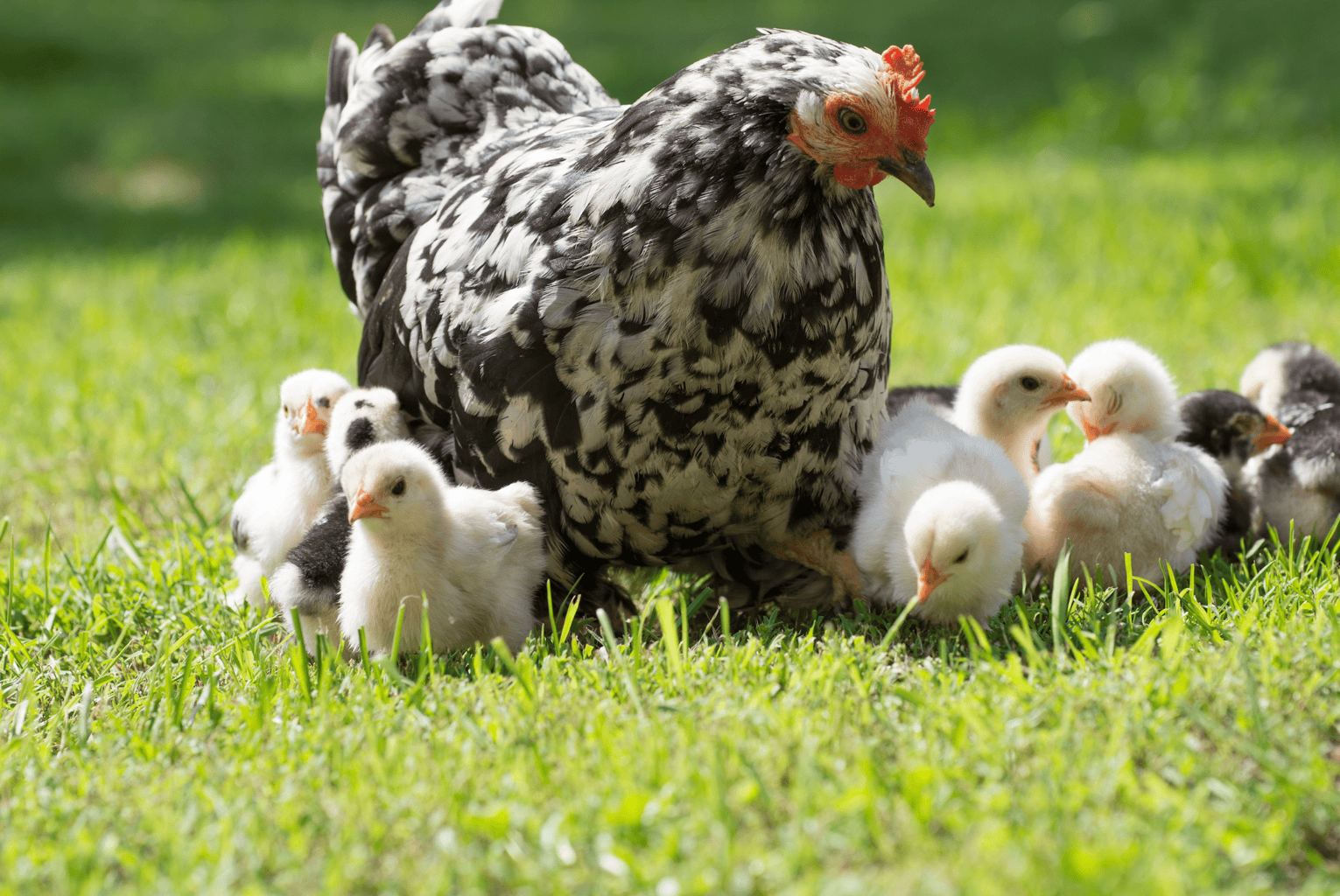
But it turns out breeds are like dog breeds; each one’s been bred for a purpose, and for a climate.
Take a heavy cold-hardy breed.. if you’re in the south, that poor chicken will be miserable in the summer. And if you’re a northerner like us, a delicate breed with a big floppy comb can get frostbite in the winter. And miserable chickens don’t lay eggs well, and many die.
Pick for your weather and your goal first, and resist the cuteness (as much as possible).
MISTAKE #19: Skipping grit
Chickens don’t have teeth, and that seems obvious when you say it out loud, but.. stay with me.
They swallow food whole, and it goes to the gizzard where little bits of stone grind it up.
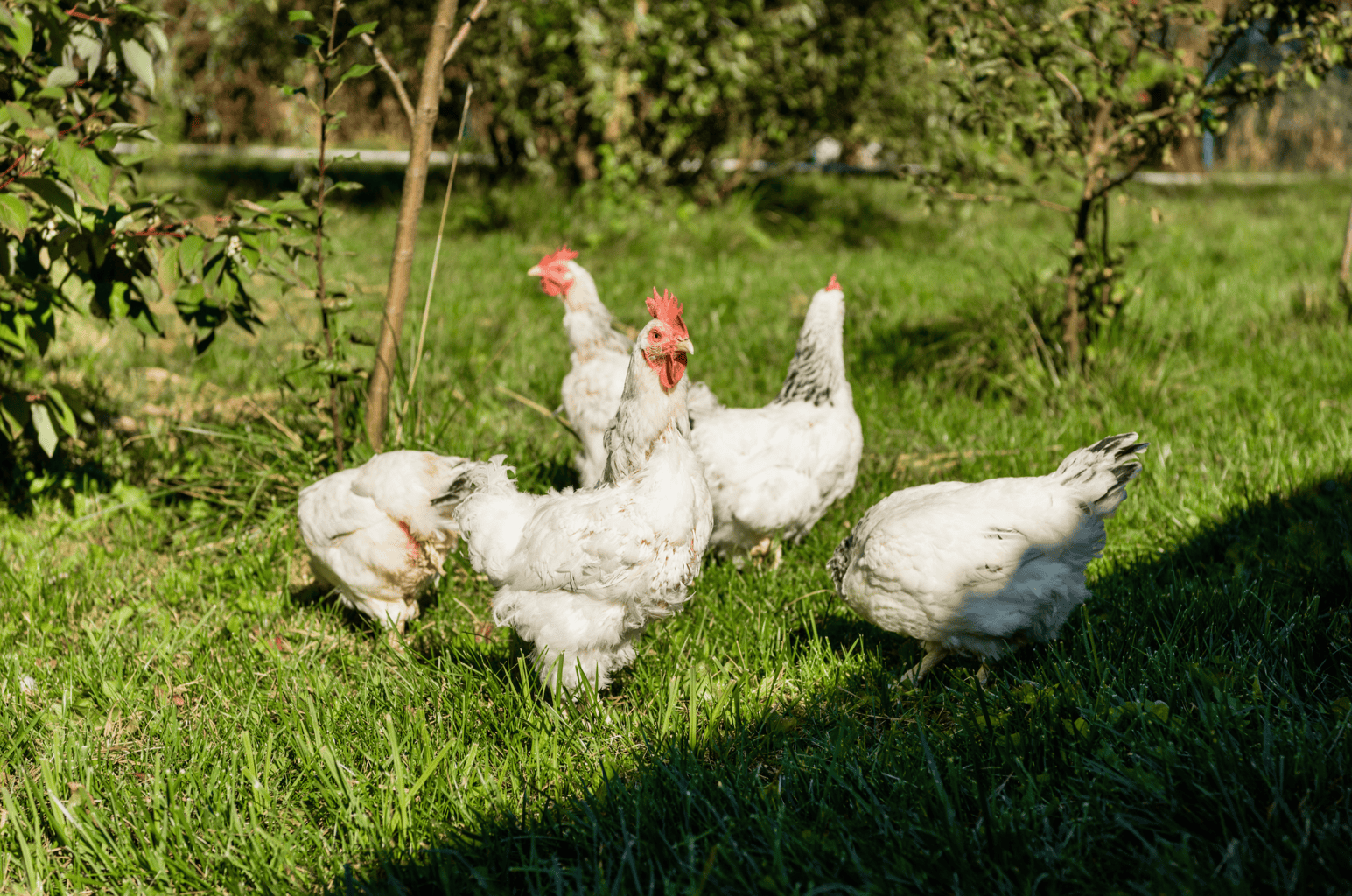
If your birds free range on dirt all day, they pick up pebbles on their own and you’re fine. But if they’re in a run or a backyard setup, you need to put grit out for them.
It’s cheap, it comes in a bag at any feed store, and you just set a bowl of it out. It’s the easiest fix, and a really big deal if you skip doing it.
MISTAKE #18: Treating scraps and corn like a full diet
Kitchen scraps are one of the best parts of having chickens. Ours get almost everything, and it feels amazing to send basically nothing to the dump.
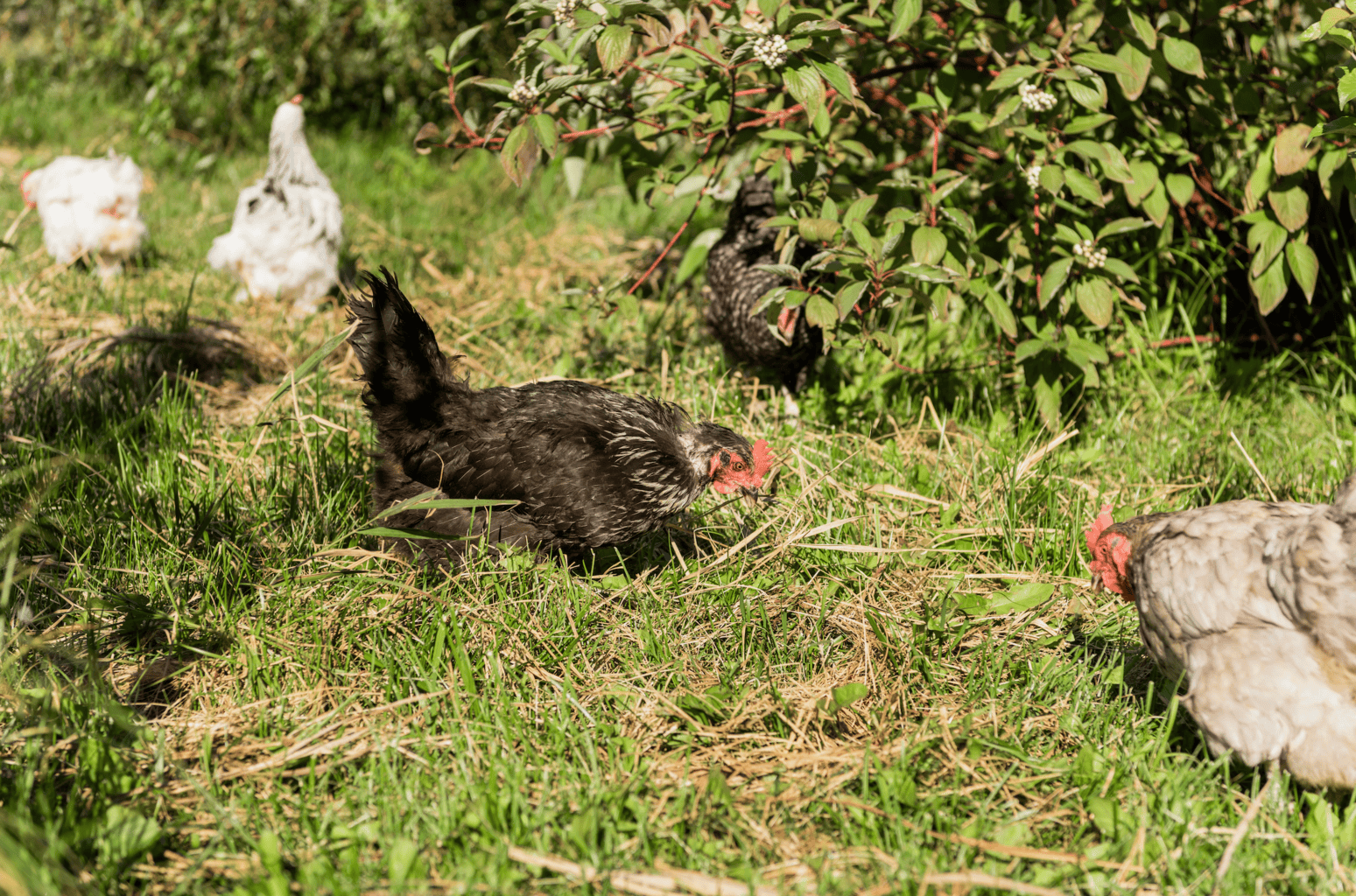
But scraps are treats, none of it is a complete diet, and you can’t rely on that feeding your girls. Modern hens lay a LOT of eggs, and that takes proper nutrition, so good complete feeds are key.
An easy rule is to keep scraps to ten to fifteen percent of what they eat. The rest should be proper feed.
MISTAKE #17: The wrong feed at the wrong time
We really messed this one up, and it was not fun. But it really does trip up almost every new chicken owner.
Baby chicks need starter feed because it has higher protein for growth. It also has lower calcium because they’re not making eggs yet. The mistake comes when you keep them on it too long to use up the bag until it’s finished. The rule of thumb is that once they start laying eggs (around 18 weeks or your first egg) they need the calcium in layer feed for good shells.
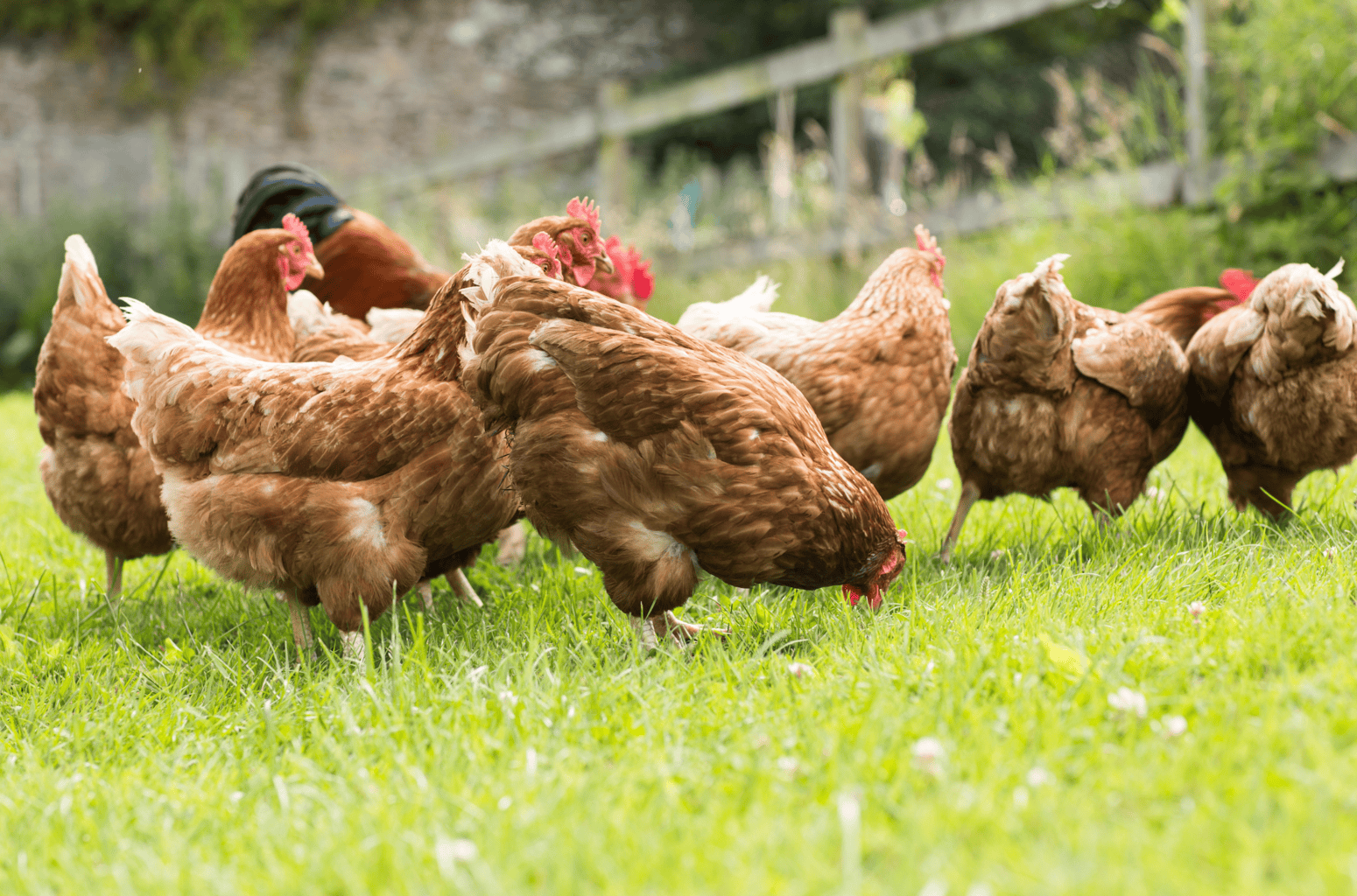
And the other way is even worse. Some keepers put tiny chicks on layer (adult) feed, and all that calcium has nowhere to go in a body that isn’t laying eggs. It can hugely damage their kidneys.
MISTAKE #16: Way too many nesting boxes
When we built our first setup I went crazy on nesting boxes because in my head, more boxes meant more happy hens. But actually no, that’s not right.
Essentially, you’ll have a dozen boxes and they’ll all pile into the same two. So stick to one box per three or four hens; that’s plenty.
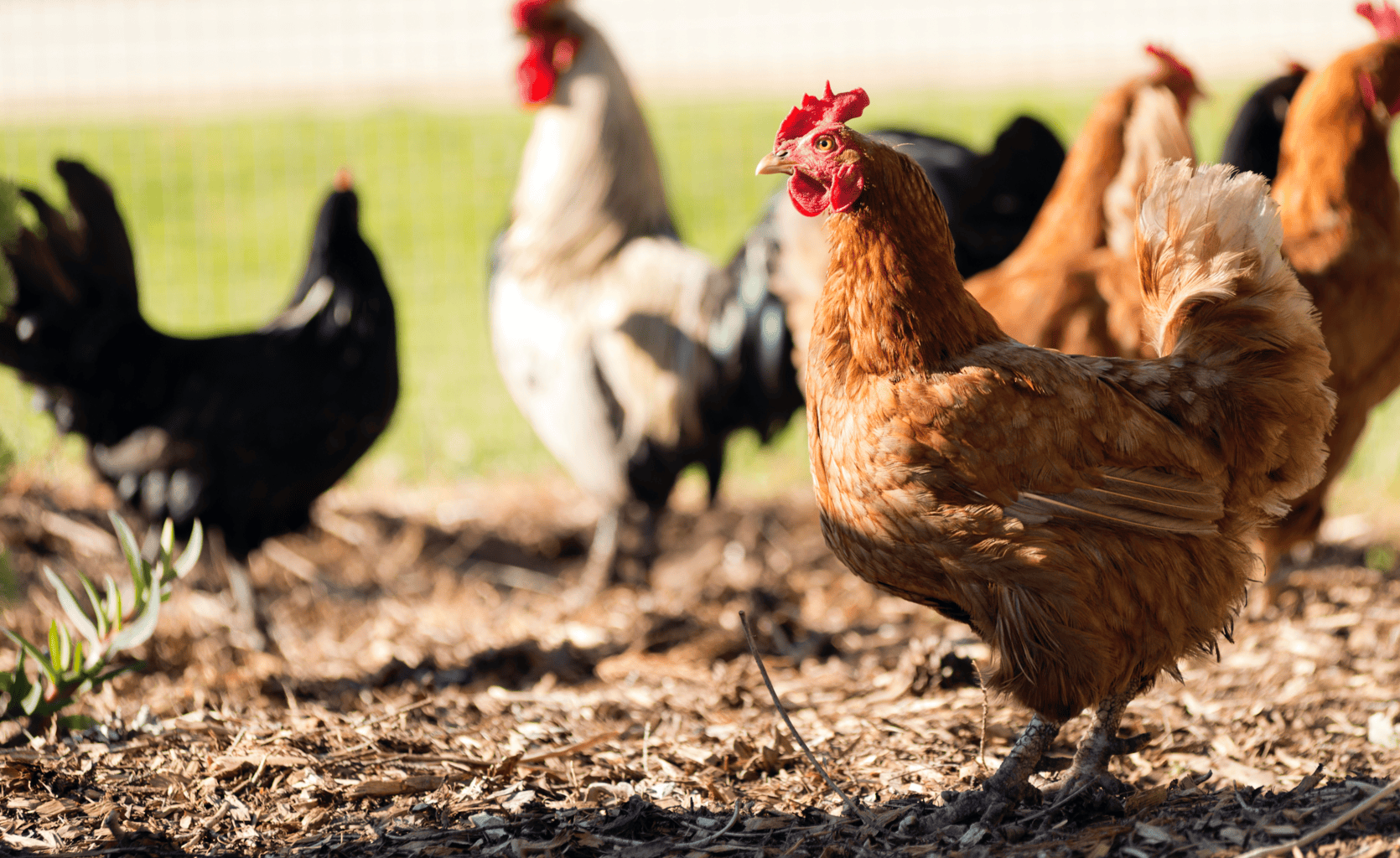
The bigger mistake was the extra shelves and ledges I added. I thought I was being thoughtful to my girls, but any flat surface you give a chicken, they will stand on it and poop on it, so a shelf over the nesting boxes just becomes a poop shelf. You might as well have fewer shelves so you have fewer areas to clean. Make life easier for yourself.
MISTAKE #15: Putting roosts in dumb spots
Chickens poop a shocking amount while they sleep, so roost placement matters more than you’d think.
Don’t set the roost right against a wall, or you’ll be scrubbing that wall constantly. And never put a roost over the nesting boxes because poop goes down, and if they’re sleeping above where they lay, you’ll have messy eggs every morning.
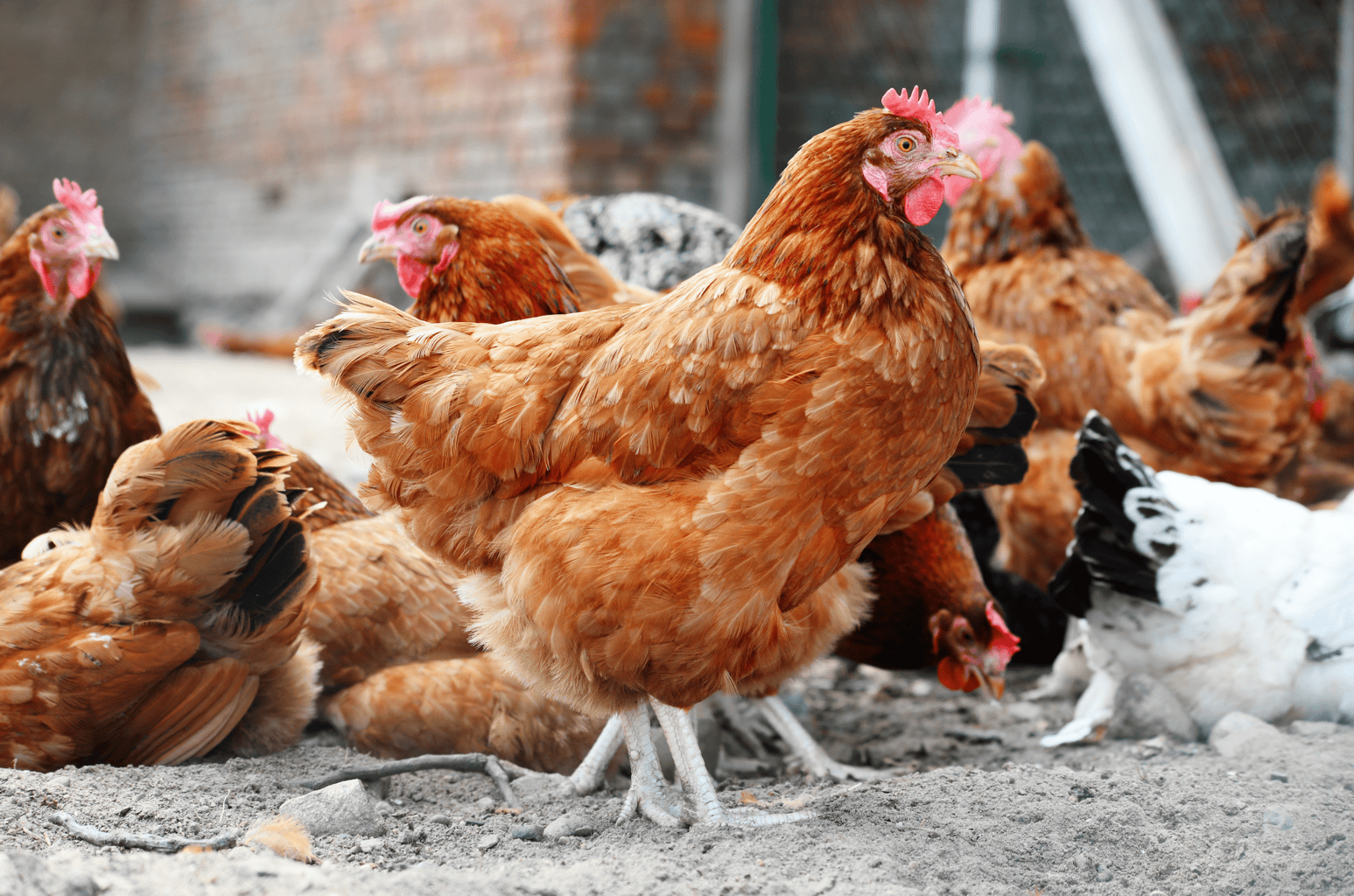
Put the roost where you can catch the droppings, and keep it higher than everything else so that’s where they choose to sleep.
MISTAKE #14: Getting lazy about water
An egg is about three-quarters water, so is absolutely essential. If you miss even a single day of giving them water, you can watch laying drop off the very next morning.
Summer is easy, but winter is a killer because everything freezes. We’re out breaking ice and refilling more than once a day when it’s cold, and those little water nipples that work great in July freeze in January.
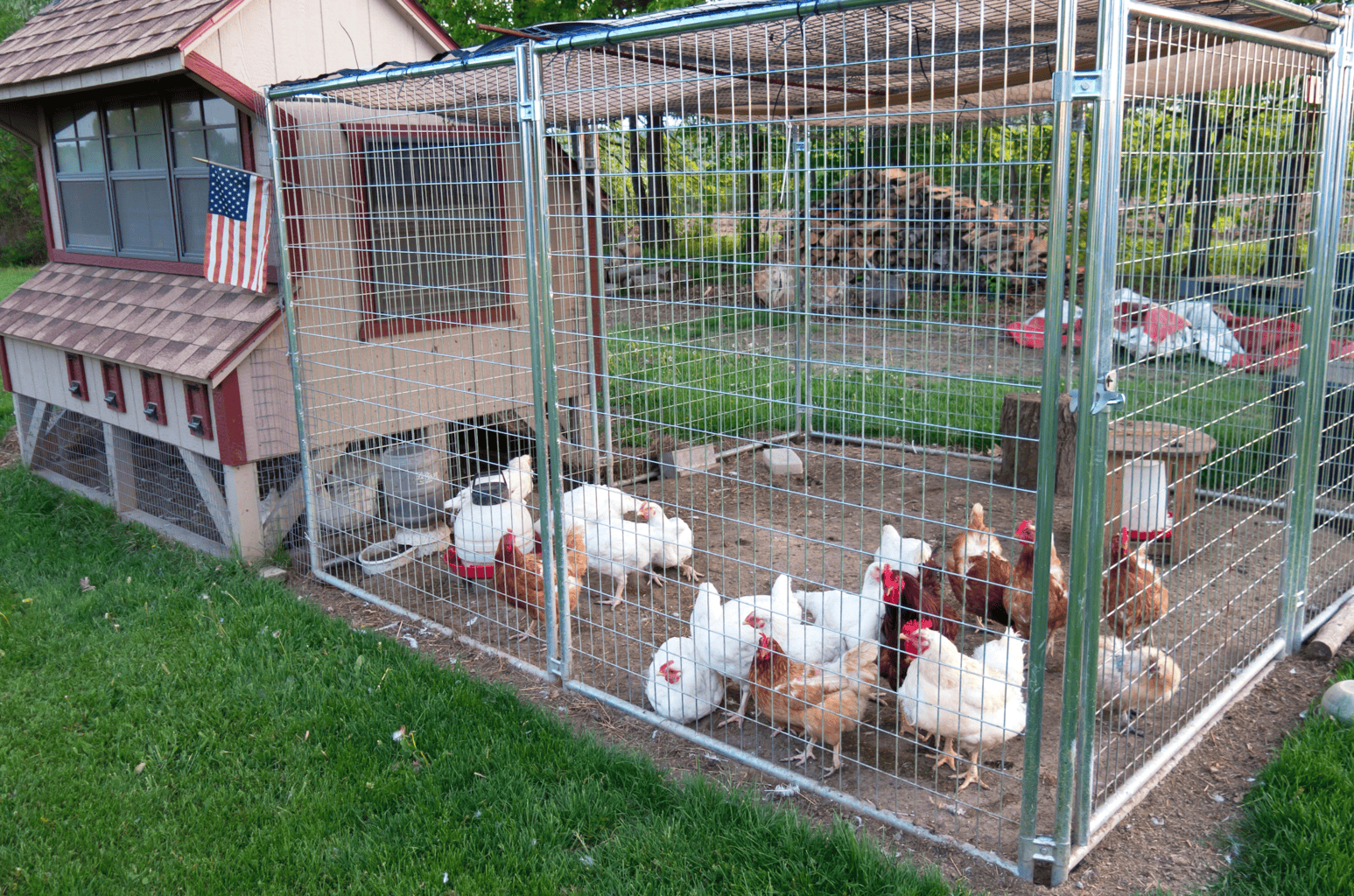
There’s really no way around this one. You will literally just have to go out and give your chickens fresh water often. It’s one of the more time-consuming parts of owning chickens.
MISTAKE #13: Thinking you need a rooster for eggs
This was one that really surprised me. I always though you needed to have a rooster for your hens to lay eggs. Ehhh, wrong! Hens lay whether or not there’s a rooster around. Your girls will fill the nesting boxes all on their own because girls rule the world (wink, wink).
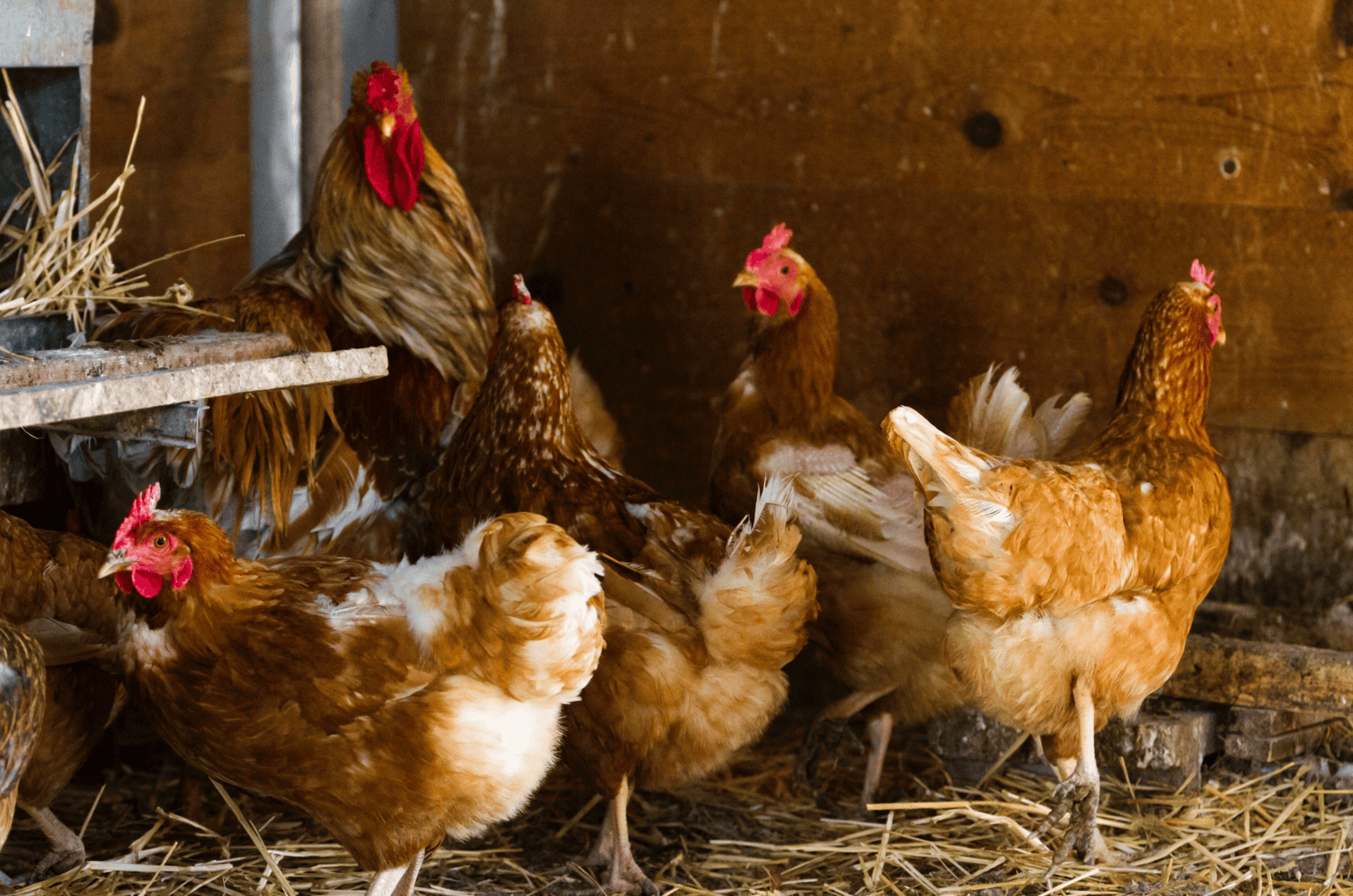
A rooster gets you fertilized eggs, which only matters if you want to hatch chicks. They can also watch over the flock. But they’re loud and aggressive, and a lot of towns won’t let you have one.
If you just want eggs, no rooster needed.
MISTAKE #12: Buying birds from sketchy sources
Once you’re in the homesteading space, you’ll learn quickly about auctions and swap meets. We found them fun when we had no idea what we were doing.
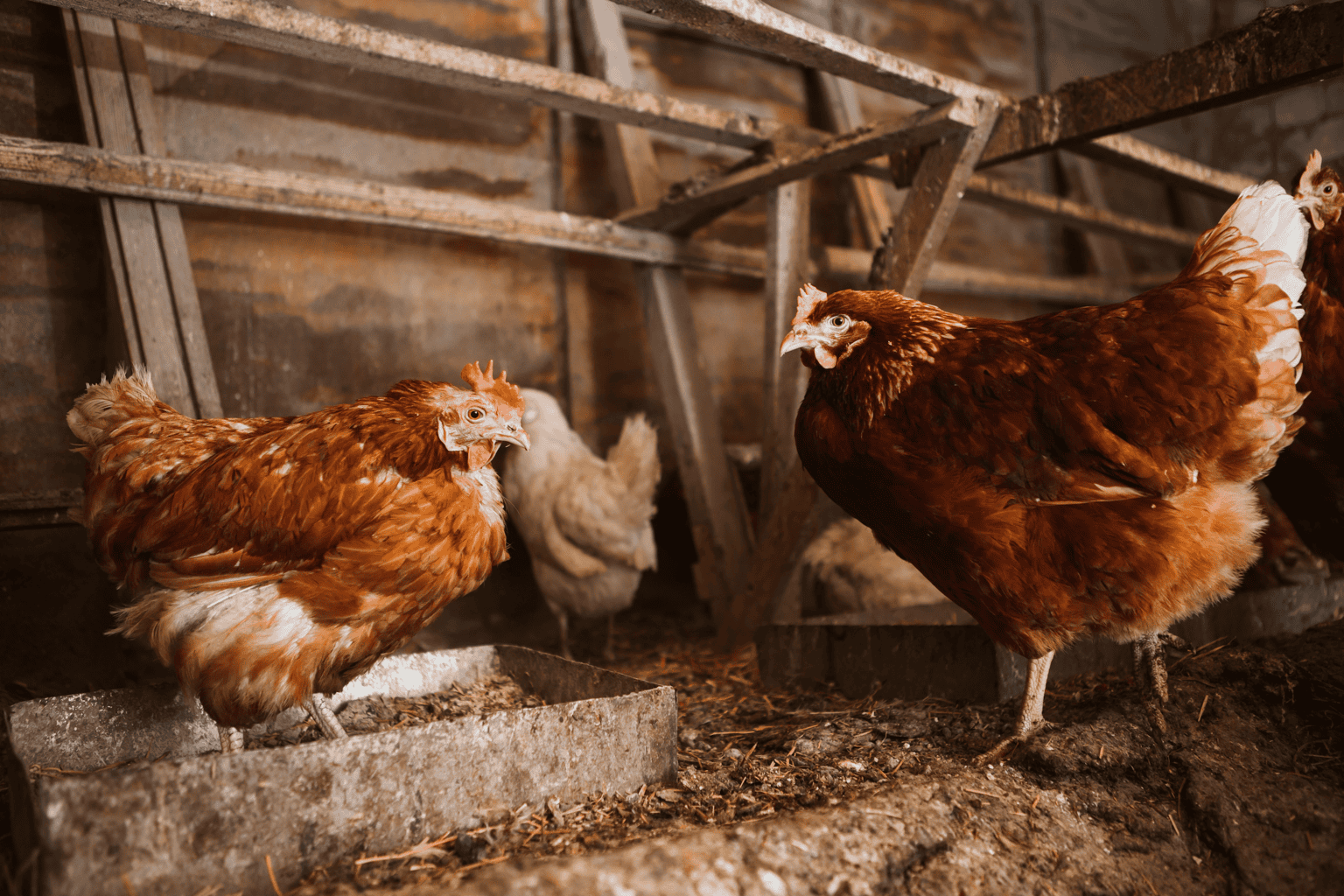
But bringing home a random bird from an unknown seller is a pretty big gamble, and a lot of people do it. The truth is, you don’t know how the bird was raised, what it’s been exposed to, or why they’re getting rid of it. Always remember, one sick bird can wipe out your whole flock.
There’s usually a reason a chicken is being passed along cheap, so know who you’re buying from and be super picky.
MISTAKE #11: Leaving the coop open at night
The golden rule of keeping chickens because ignoring this might lose you your entire flock.
For us, this one still stings. When we first moved in, the coop that came with our home looked fine to us. What we didn’t know was that it wasn’t actually getting closed at night, and there was a gap along the base big enough for something to come in.
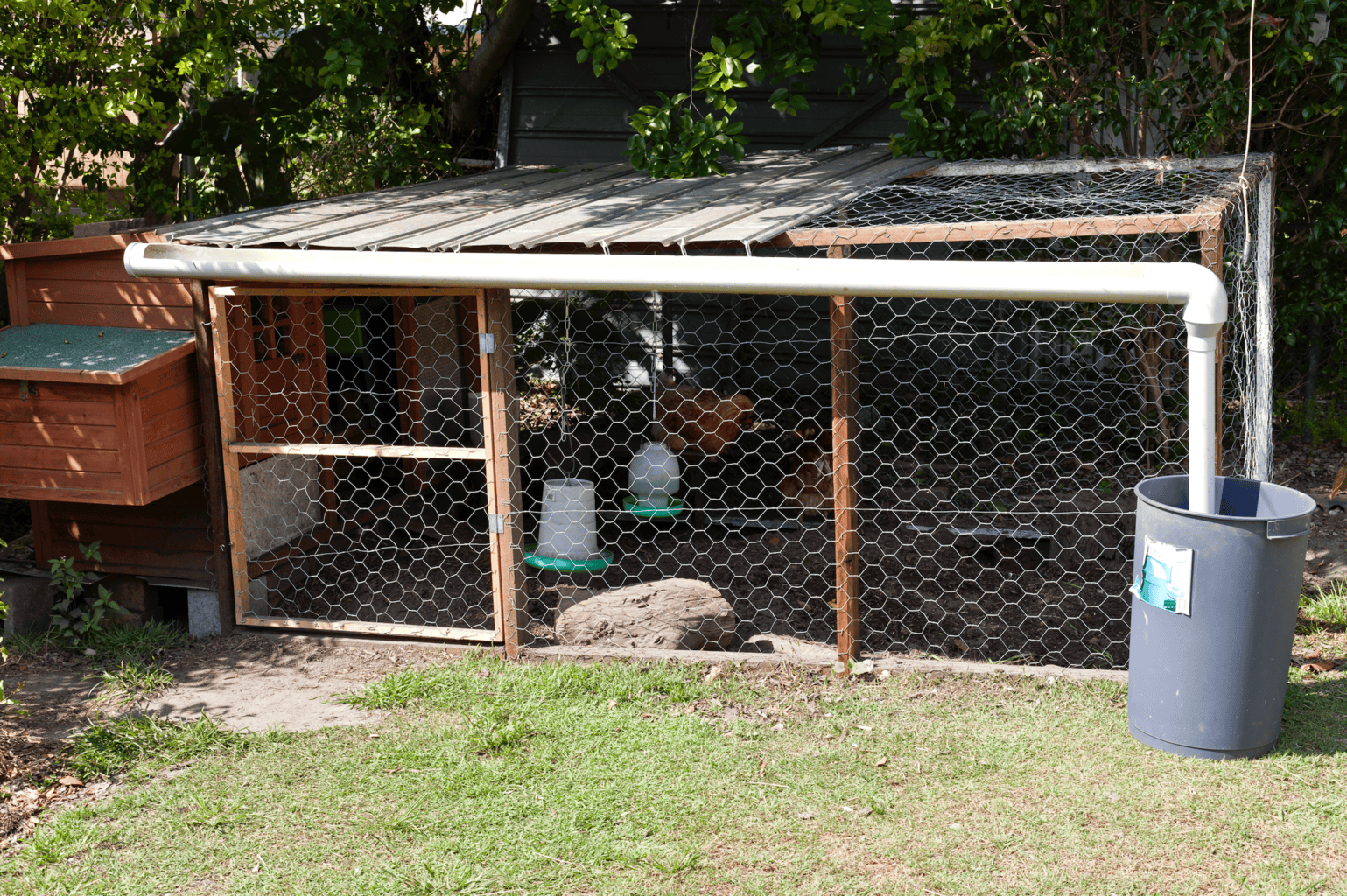
We get a lot of raccoons on our property because we live in the middle of nowhere, and let’s just say that raccoons are so much smarter than you think. The tragedy started with one bird, and then another, and another.
By the time we knew what was happening, we’d lost about half the flock. We got fed up so we tore the whole coop down and rebuilt it from scratch. And when we did, we noticed the gap along the base. Ugh, so sad.
MISTAKE #10: Using chicken wire instead of hardware cloth
This goes hand in hand with #11, and I see it everywhere.
Chicken wire keeps chickens in, but it does not keep predators out. A determined raccoon can reach right through it or tear it loose, and it does nothing against an animal that can dig.
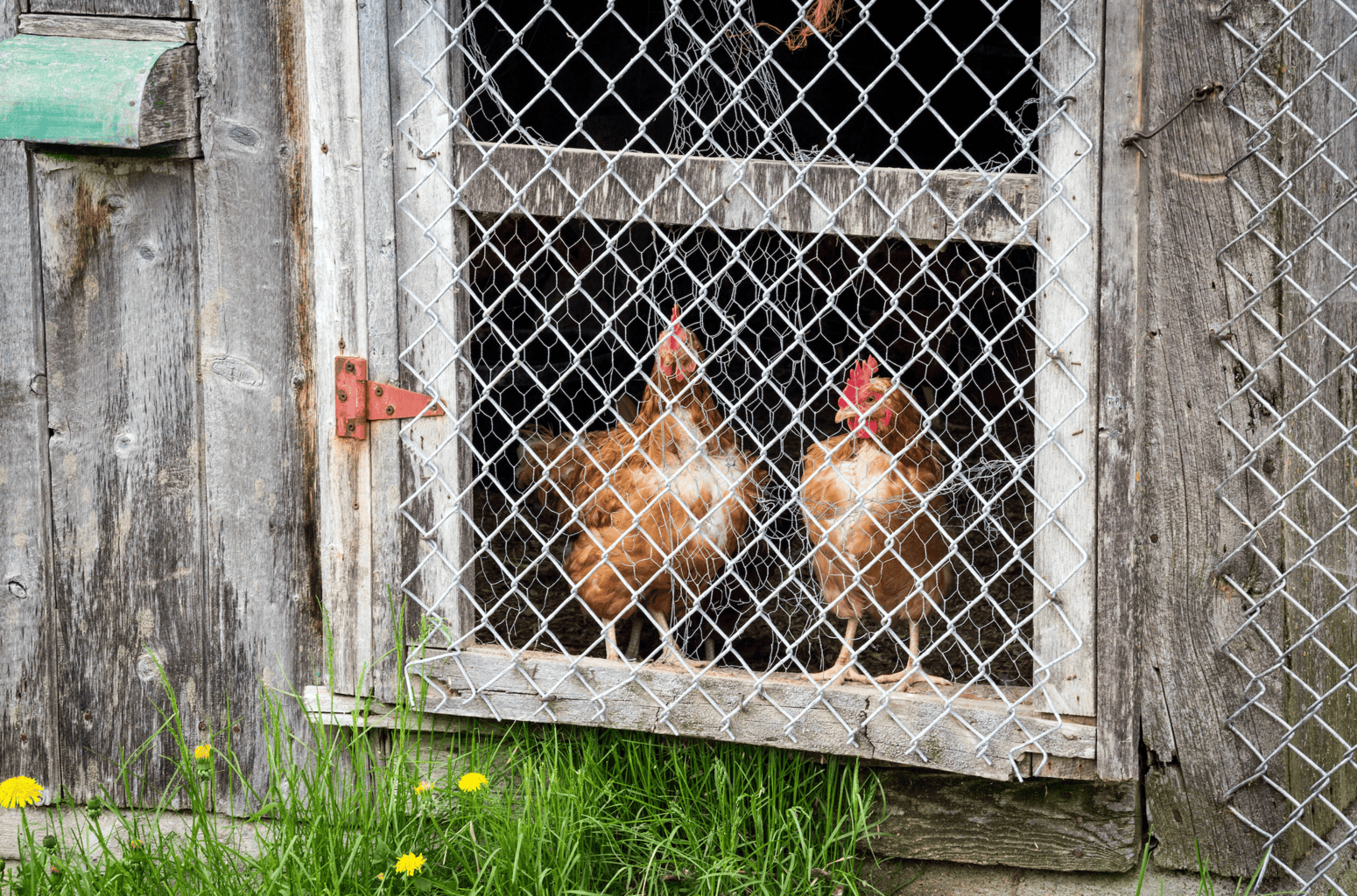
What you want is hardware cloth because it’s sturdier, the openings are smaller, and you can staple or screw it down tight over every gap.
Of course, it costs more, but paying for it is cheaper than replacing your flock.
MISTAKE #9: Skipping quarantine for new birds
When you add birds to your flock later (and you will) resist the urge to plop them straight in with your others.
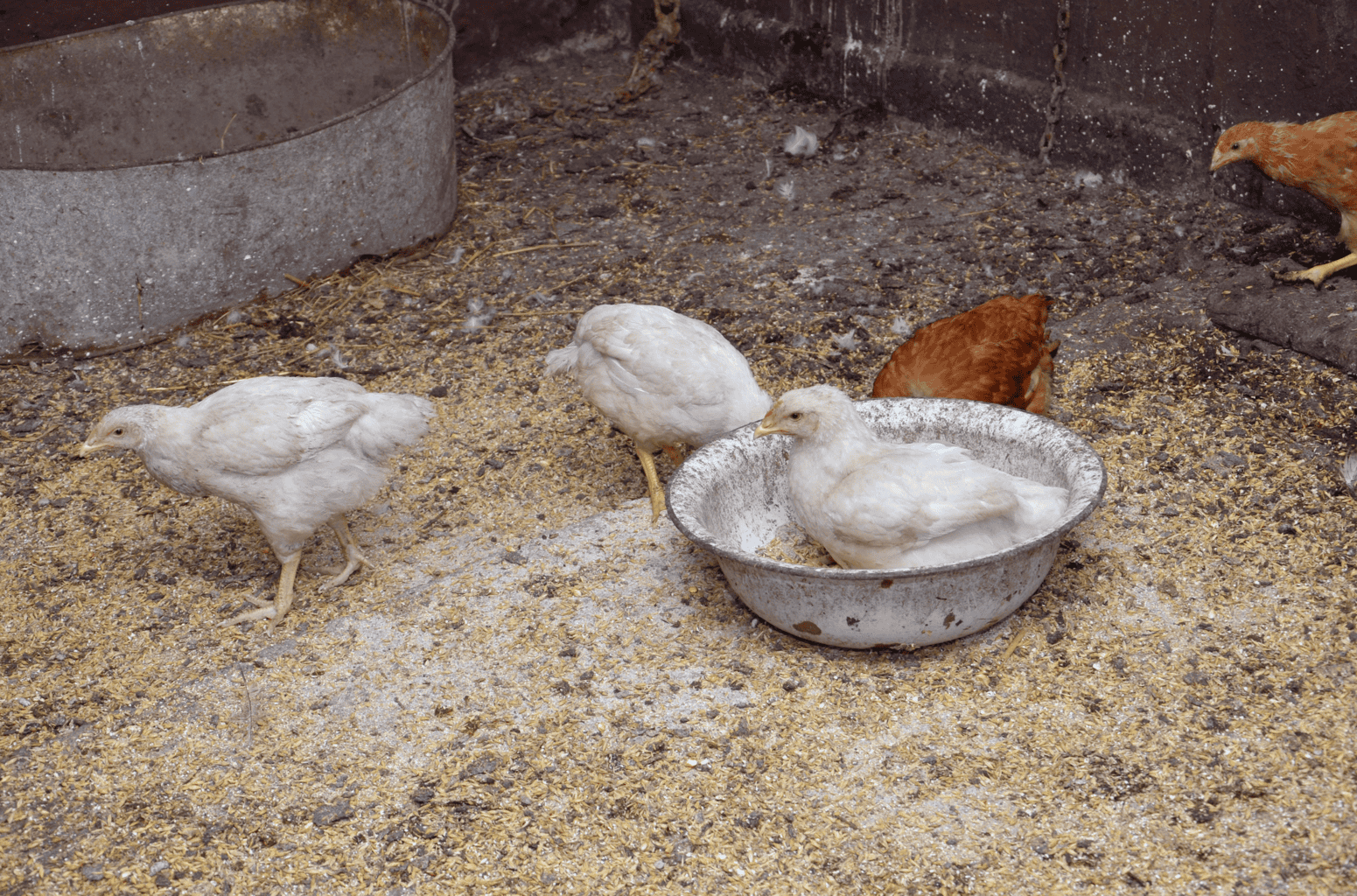
This is because new birds can carry disease or pests. A few weeks in a separate space with their own food and water lets you spot if anything is wrong before it spreads to your other birds.
I know it seems like overkill, but the one time it catches something, you’ll be extra grateful you did it.
MISTAKE #8: Introducing new birds too fast
Chickens have a pecking order, and adding members means the whole social structure has to reshuffle, so even healthy new birds can’t just merge into the group overnight.
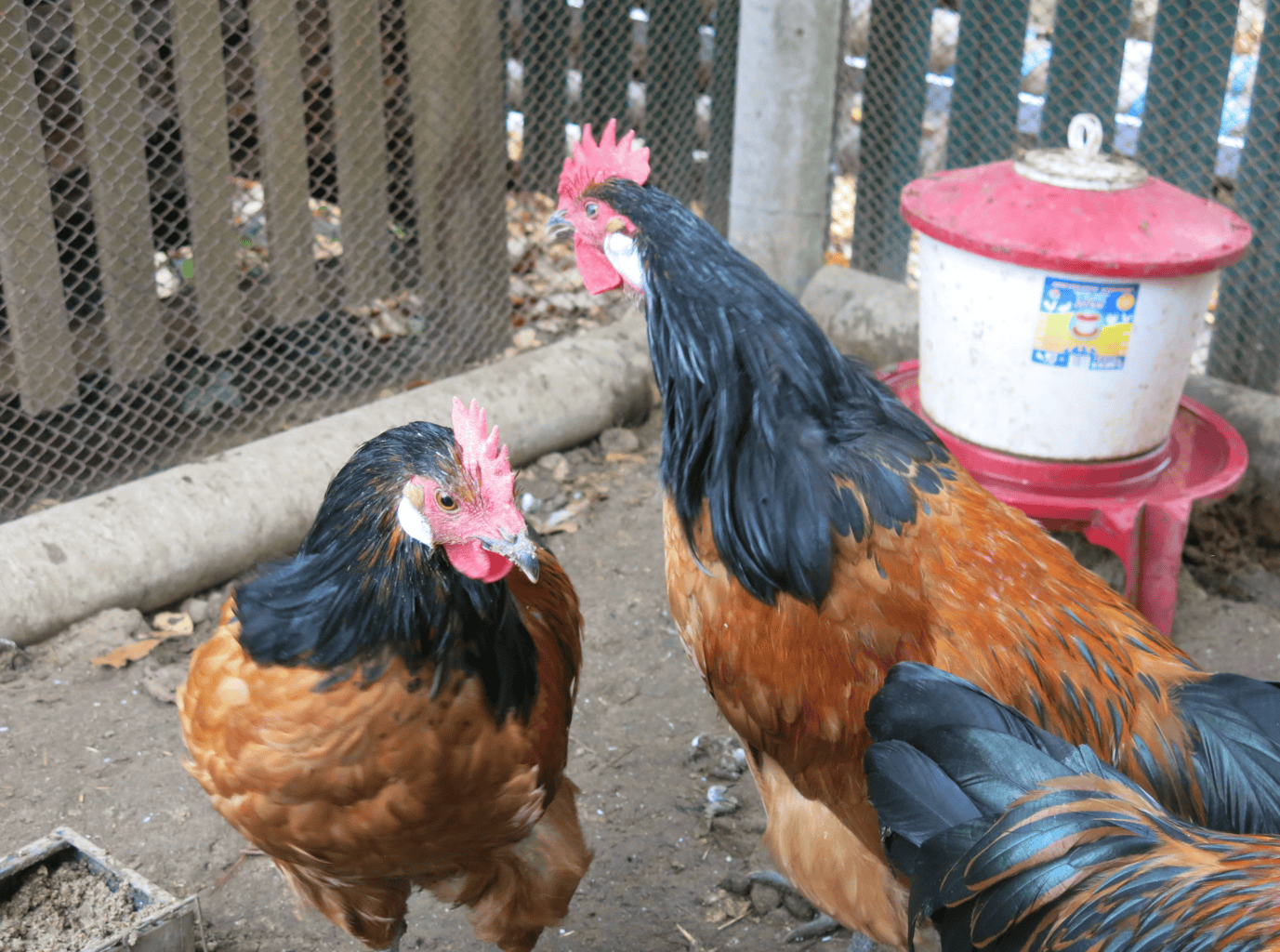
If you do it too quickly, you’ll get bullying, injuries, and sometimes worse. So the trick is to go slow. A lot of keepers use a wire enclosure or dog crate inside the run so the birds can see each other for a couple weeks without being in full contact. Some pecking is normal once they mix, but only step in if one bird is getting singled out or hurt.
MISTAKE #7: Cramming too many birds into too little space
Overcrowding is one of the biggest chicken problems I see in other keepers. When birds are cramped, they get stressed, and stressed birds start pecking, bullying, and spreading disease.
The rough minimum for standard hens is around 4 square feet each inside the coop and 8 or more in the run. Bantams need less space, and big breeds need more. And overall, more is always better than the minimum.
If your birds seem grumpy and mean, check their square footage.
MISTAKE #6: DIY deworming with whatever the internet swears by
This might ruffle some feathers, but I think it’s important..
There’s a whole world of home remedies people swear will keep worms away from your chickens. Things like pumpkin seeds, diatomaceous earth in the feed, garlic. You’ll even hear that dirty-looking eggs automatically mean worms.

The trouble is, the pumpkin-and-DE stuff doesn’t hold up when tested, and messy eggs can come from a dozen things that have nothing to do with parasites. So if you lean on a remedy that doesn’t work while the actual problem grows, it does your birds no good.
If you think something’s off, get a fecal test from a vet or your ag extension and treat what’s there because guessing isn’t going to solve anything.
MISTAKE #5: Expecting a full basket of eggs all winter
If during your first winter your egg count crashes, don’t feel like something’s broken because it isn’t.
Laying eggs correlates to daylight; hens generally need around 14 hours of light to lay at full tilt, and short winter days don’t deliver that, especially the further north you are.
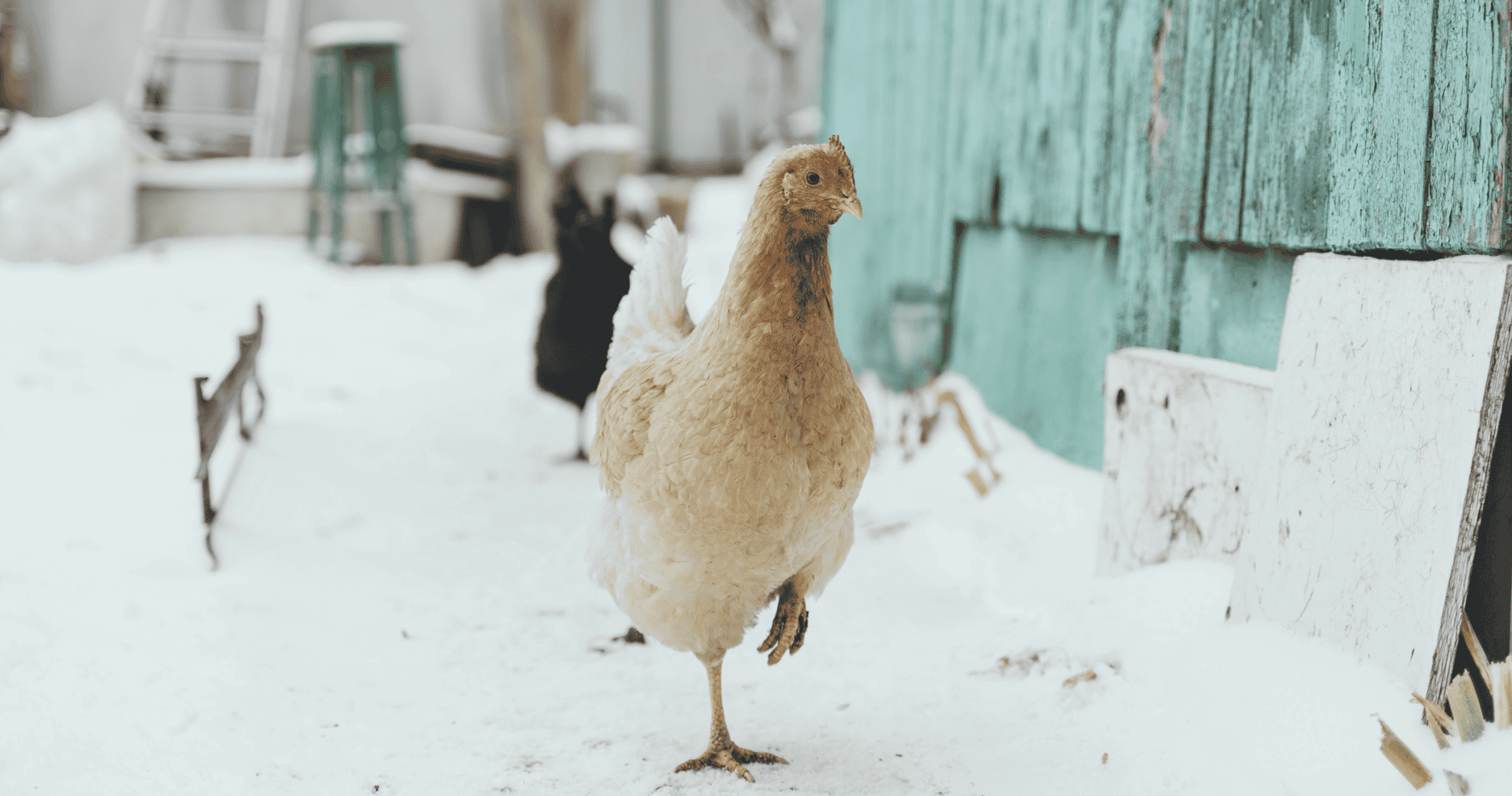
You can add a light on a timer to keep production up, and plenty of people do. Others let their girls take a natural break. EIther of these options are fine.
MISTAKE #4: Sealing the coop up tight in winter
Your instinct when it’s freezing is to close every gap and trap in the heat to keep your chickens warm, but it’s the wrong thing to do.
Chickens give off a surprising amount of moisture through breathing, and without ventilation that moisture builds up inside the coop. Damp air is what causes frostbite far more than cold air does.
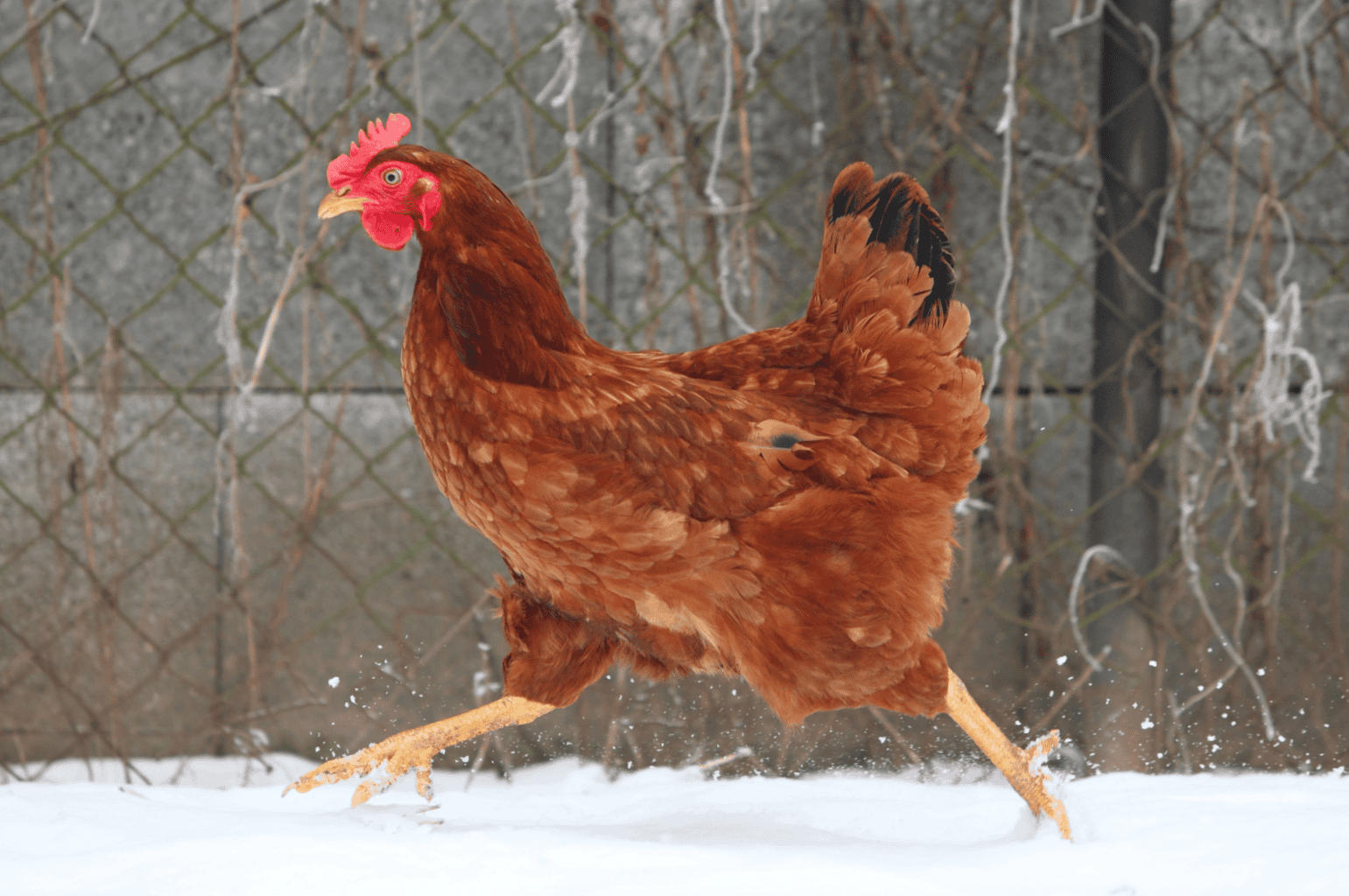
A dry, draft-free coop with vents up high keeps your birds safer than a sealed box will. You want the airflow above their heads while they roost, pulling moisture out without blowing right on them.
MISTAKE #3: Not checking your local rules first
Please please please do this before you buy a single chick.
Zoning and ordinances vary a lot from town to town, and sometimes neighborhood to neighborhood. Some places cap how many birds you can have, and many don’t allow roosters.

My friends learned this the annoying way. They assumed they were fine, but a neighbor called the city, and they found out they weren’t set up within the rules.. Cue a scramble to change everything immediately.
MISTAKE #2: The “set it and forget it” mindset
I know I said earlier that chickens are a lot of work, and that’s true. But overally, chickens are pretty low maintenance, which is how a lot of people get in trouble.
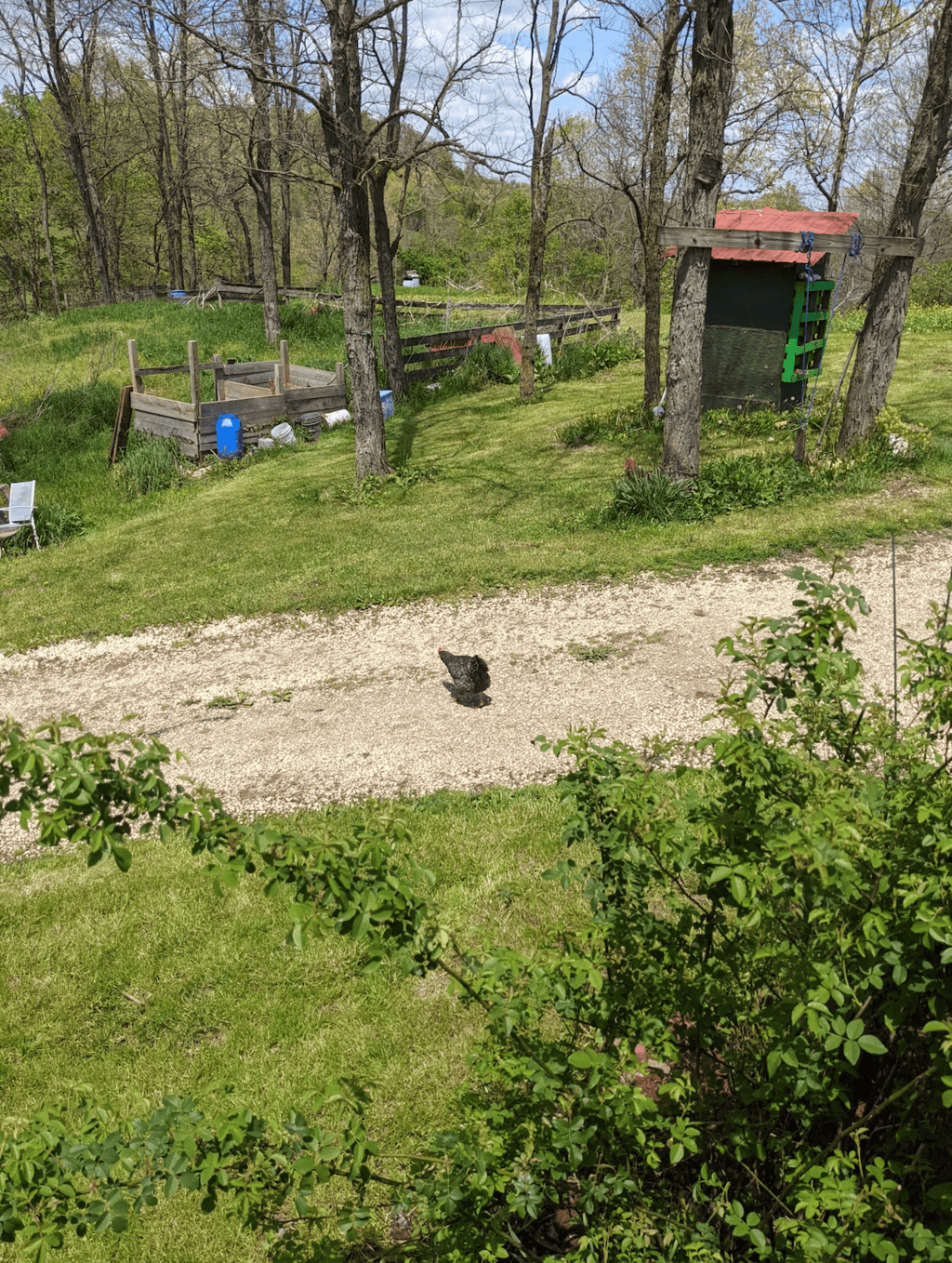
Chickens are not a set-it-and-forget-it animal, they’re livestock. Every day you need to check the feed, water, and give the flock a quick once-over for any girl that might be hurt or sick.
Things to look for include frozen waterers, an escape in the coop, or one bird getting endlessly picked on. If you skip a couple days, things can turn deadly.
I’ve found that doing this right away in the morning is such a great way to start my day, and it only takes five minutes.
MISTAKE #1: Using a heat lamp
A heat lamp in a coop is genuinely VERY dangerous. Coops are full of dust, feathers, and dry bedding, which is all flammable. One bird flapping into the lamp or one feather drifting onto the bulb, and the whole thing can go up in flames with your flock trapped inside.
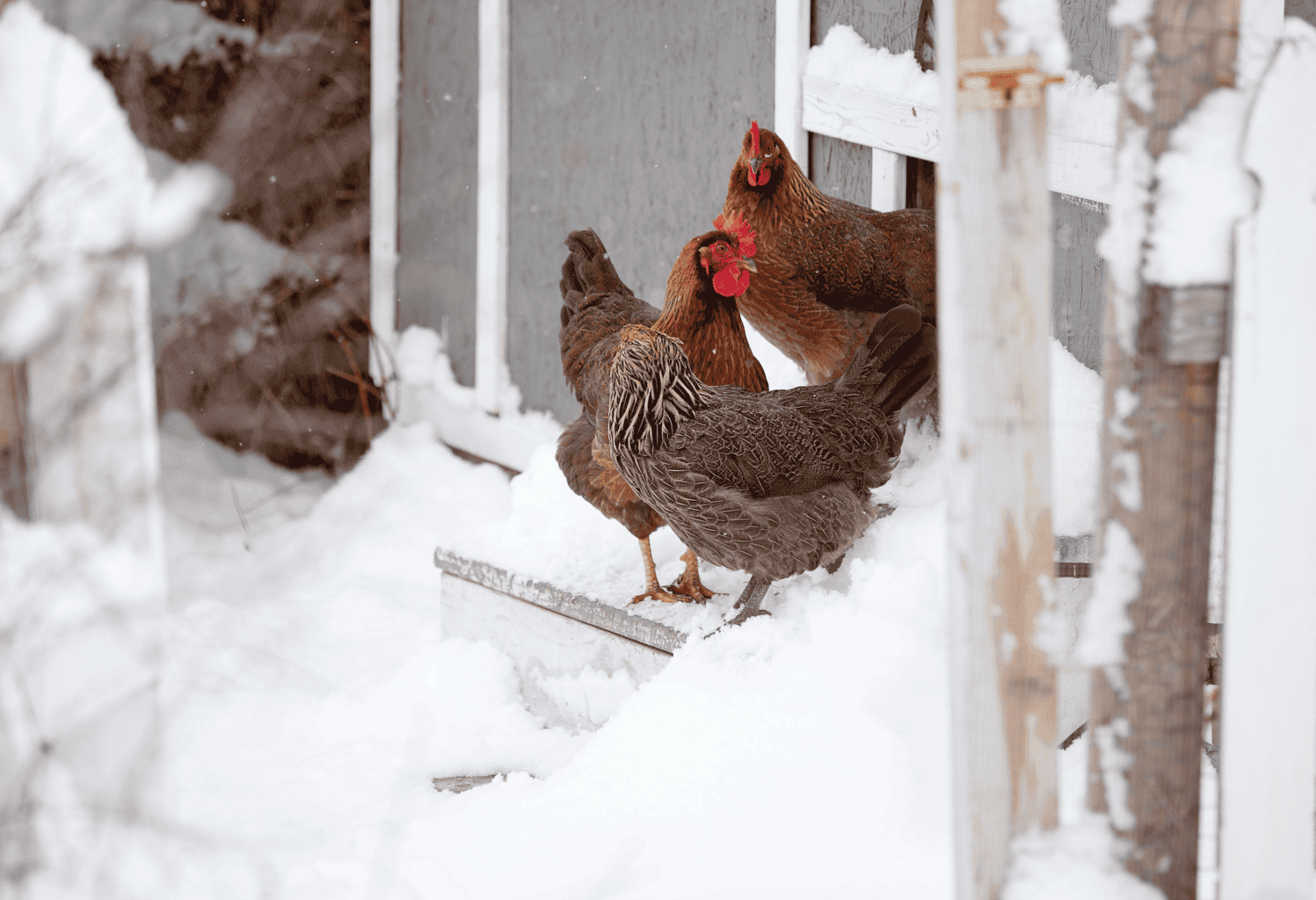
Another thing that can happen is if the power cuts out, the birds that got used to a toasty coop are suddenly freezing and they can’t handle it.
If they are left to adjust naturally like chickens can, they are shockingly tough. They fluff up, build their down, and acclimate. What they need from you is a dry, draft-free, well-ventilated coop, which loops back to mistake #4.
That’s the list. Twenty-one things I wish someone had sat me down and told me before we ever brought home that first box of chicks.
Overall, chickens are one of the best things we’ve ever done, but going in with your eyes open beats learning every one of these the hard way like we did.

Erie is the owner and author of Everywhere Ontario. She’s lived and traveled around Ontario for over 30 years, visiting small towns and big cities from the shores of Lake Erie to the crisp northern air of Hearst along the Trans-Canada Highway. She is passionate about maximizing fun and supporting local tourist businesses and is always looking to provide the best recommendations to her fellow Ontario travelers. Read more about Erie here.