
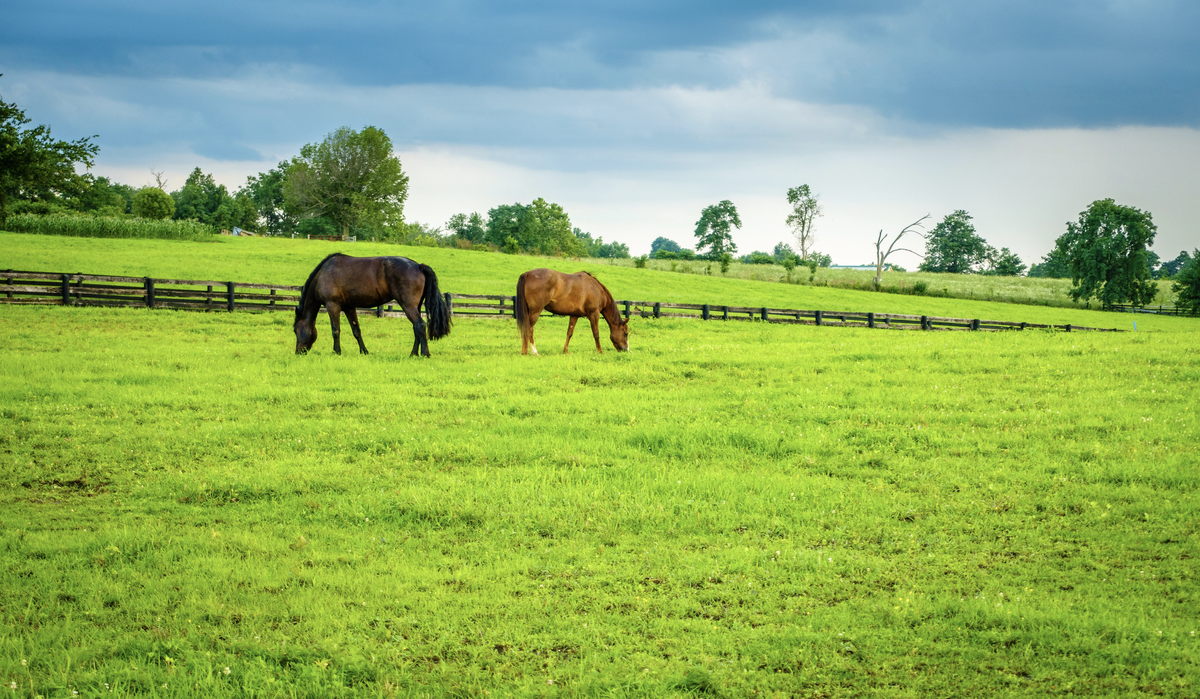
I remember dreaming about my future homestead and thinking about all the animals I would have roaming my property. In this vision, I saw chickens, goats, maybe a horse or two, and of course bunnies. And thinking back to that memory, I have to laugh because it was a cute thought, but definitely ignorant to the reality of homesteading.
You’ll read lists from homesteaders talking about all the animals you can have and what they do for you, but I just have to say..
…not all animals are created equal. Not all of them are wonderful.
Some of them will feed your family and pay you back for them within a year and others will be a money suck, ruin your fencing, be loud as heck, and give you nothing back but a giant headache.
I hope you read this post and realize that homesteading is SO worth it, but choosing the wrong animals out of the gate will make you think twice about your decision to homestead in the first place.
So before you jump down a rabbit hole of cute animal images, ask yourself these three questions:
1. How much time do I have to do this?
Remember, this isn’t how much time you WISH you had because a dairy animal requires attention every morning and evening FORVER.
2. What’s your budget up front and month over month?
Not only do you have to purchase the animal, but you’ll need to keep it alive with food. And food costs money.
3. What are you trying to get from this animal?
If it’s food like eggs, meat, milk, or other things like manure, brush clearing, or just something to have for safety and fun.. just be honest with yourself about it and think about what that means for you and your family.
Okay, enough rambling, let’s talk about the best and worst animals for your homestead.
THE BEST ANIMALS FOR A HOMESTEAD
12. Honeybees
Bees are the least daily work but also require a very steep learning curve. So yes, they make the “best” list, but they’re at the bottom.
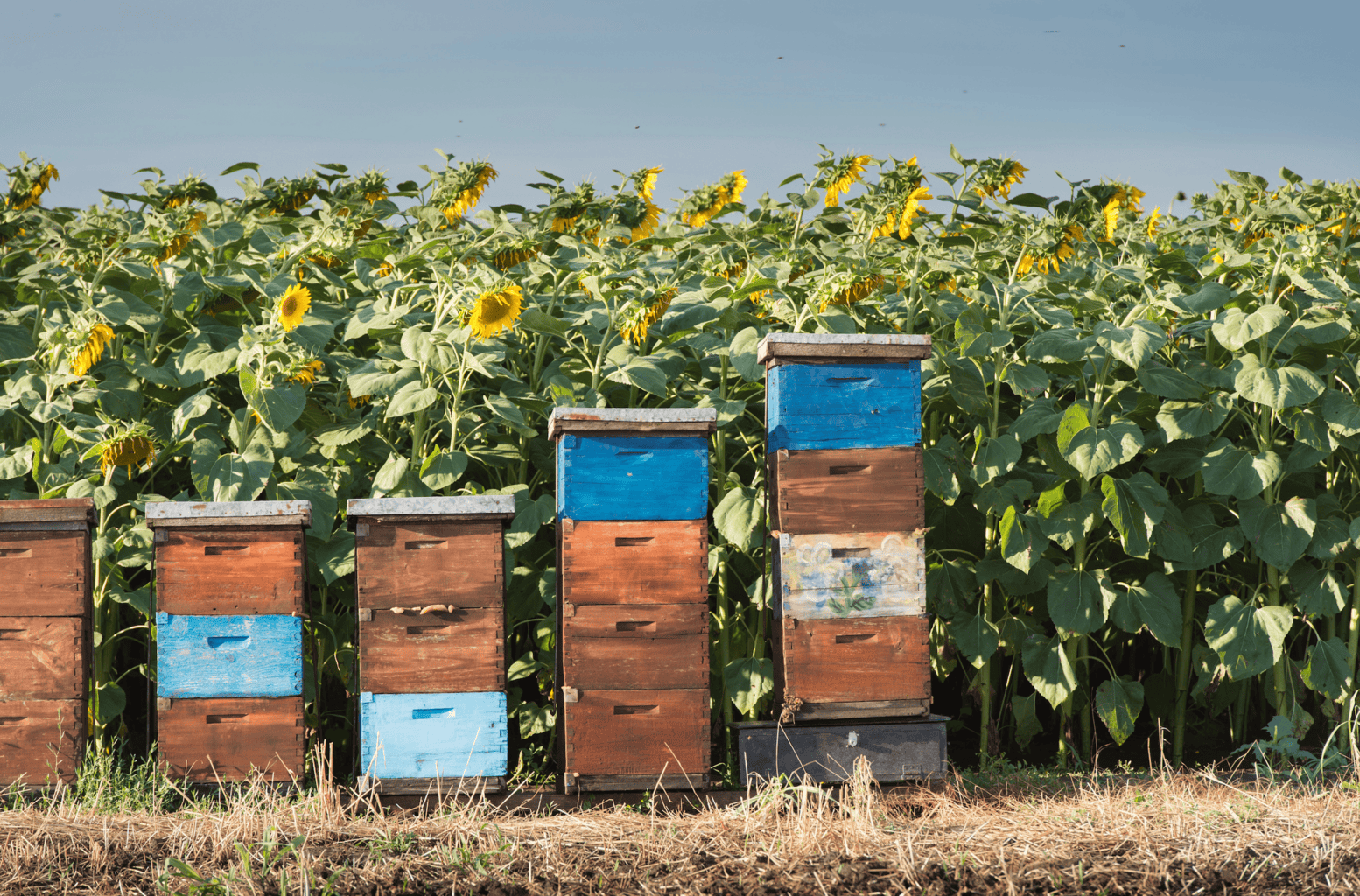
The nice thing about bees is you can go on vacation and come home and they are probably perfectly fine. But if you try that with a milk cow, you’ll be sorry.
That said, when homesteaders are asked about the hardest animal to maintain, bees are often talked about because you can do everything right, read all the books you can get your hands on, check every frame, and still lose your whole hive to one bad winter.
Let’s just say it’s brutal to raise bees as a beginner.
There’s also the upfront cost that you have to think about like the hive, a bee suit, tools, a smoker, and the bees themselves.
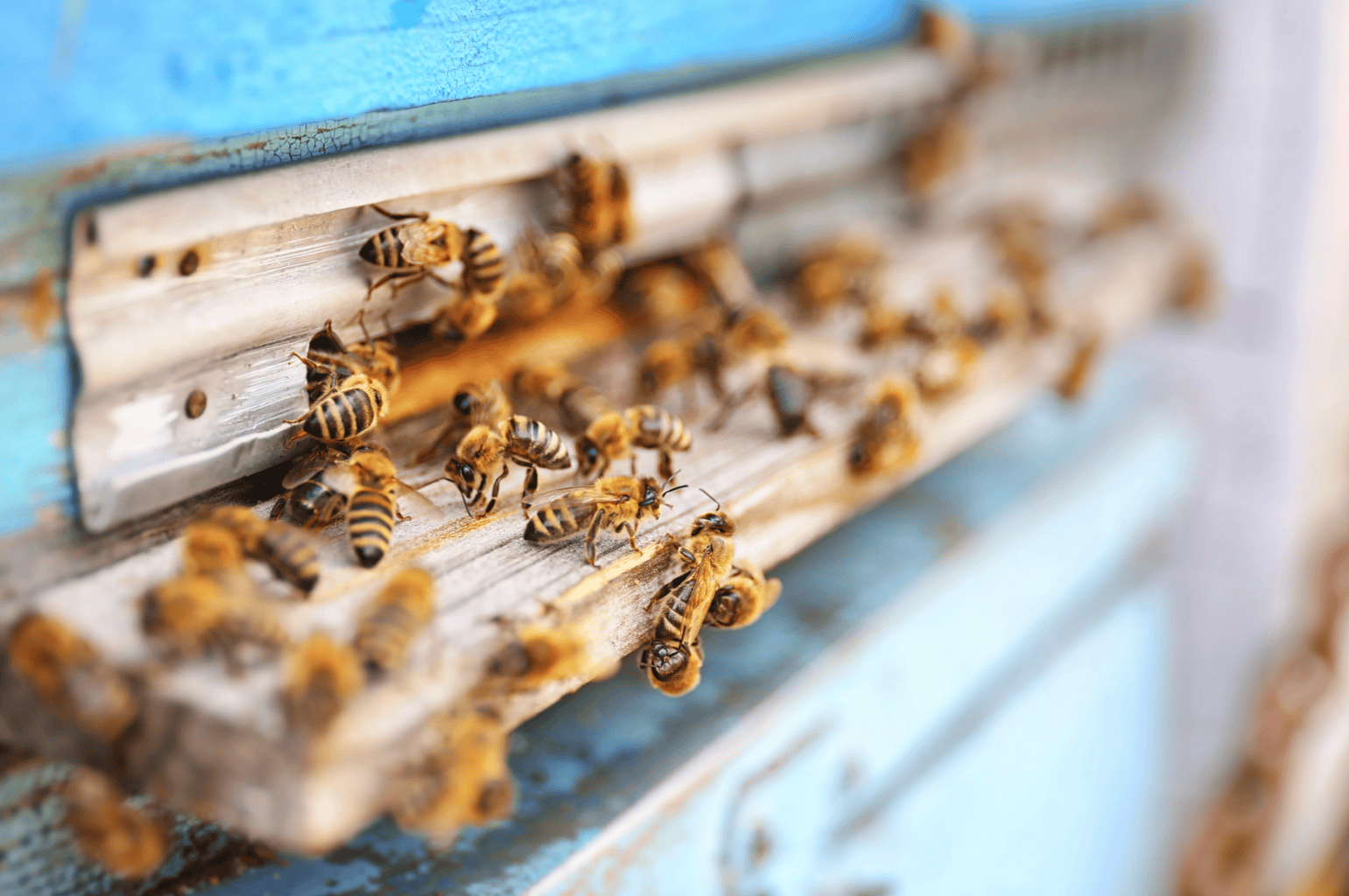
And even after all of that.. if you’re still keen on having bees, don’t let this stop you. They are genuinely worth it. You get honey, wax, and your garden and fruit trees do better with pollinators living nearby.
Quick Important Tip: If you or anyone in your family is allergic to bees, then it’s a hard no. Don’t risk it. I think that’s obvious, but you’d be surprised by some who think they can just work around it.
11. A Livestock Guardian Dog
Dogs are rarely talked about in terms of homesteading animals because people focus on chickens and cows, etc. But dogs are one of the best animals to have on your property for security.
If you’re losing birds to coyotes, foxes, hawks, or raccoons, dogs work and nothing else can quite replicate what a dog can do for you there.
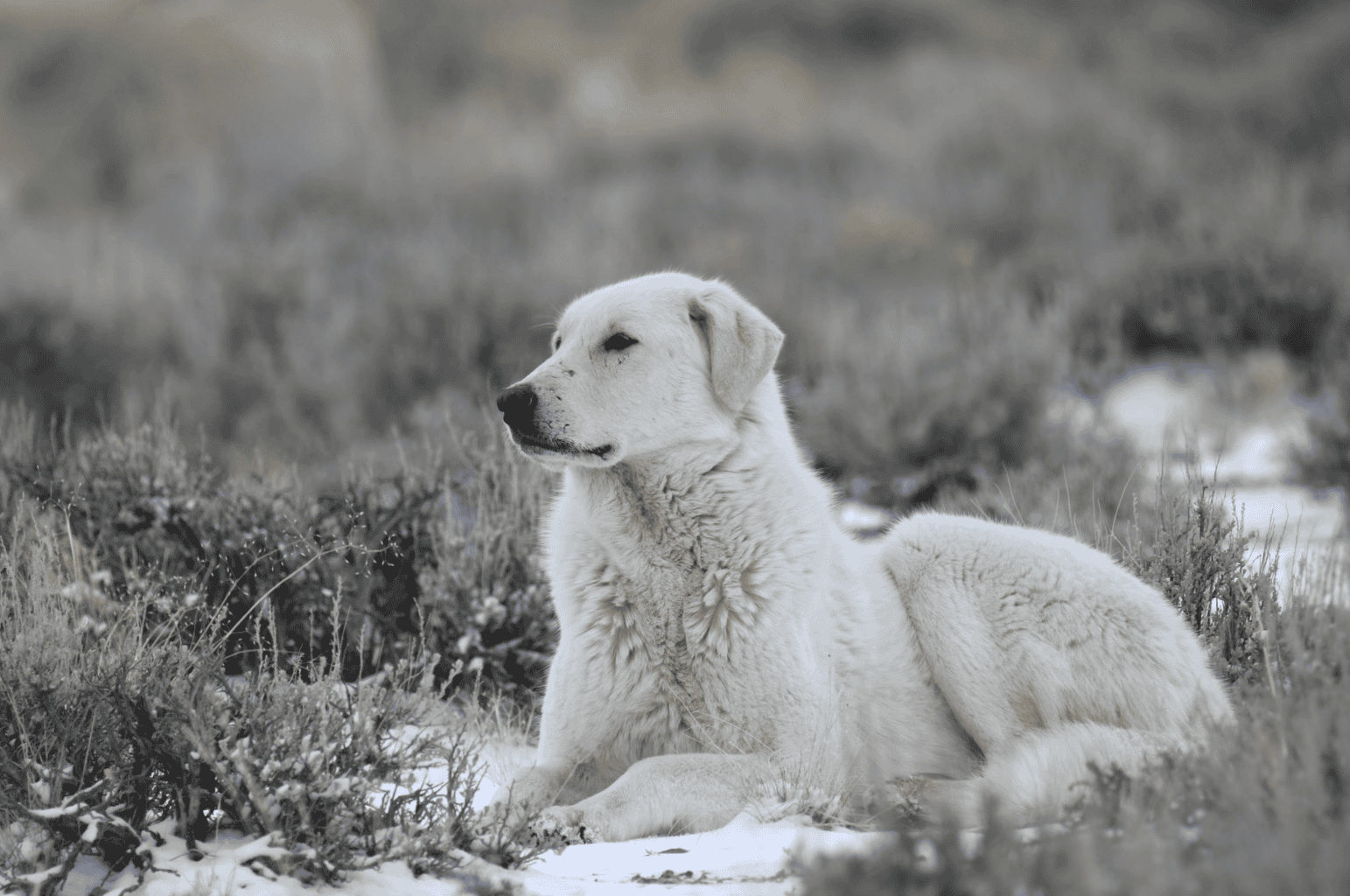
If you’re thinking about a good homestead dog, consider a Pyrenees or Anatolian because they’ll sleep with your flock and handle safety.
However, dogs are expensive because you’ll need to feed them, train them, and try to keep them on your land instead of roaming.
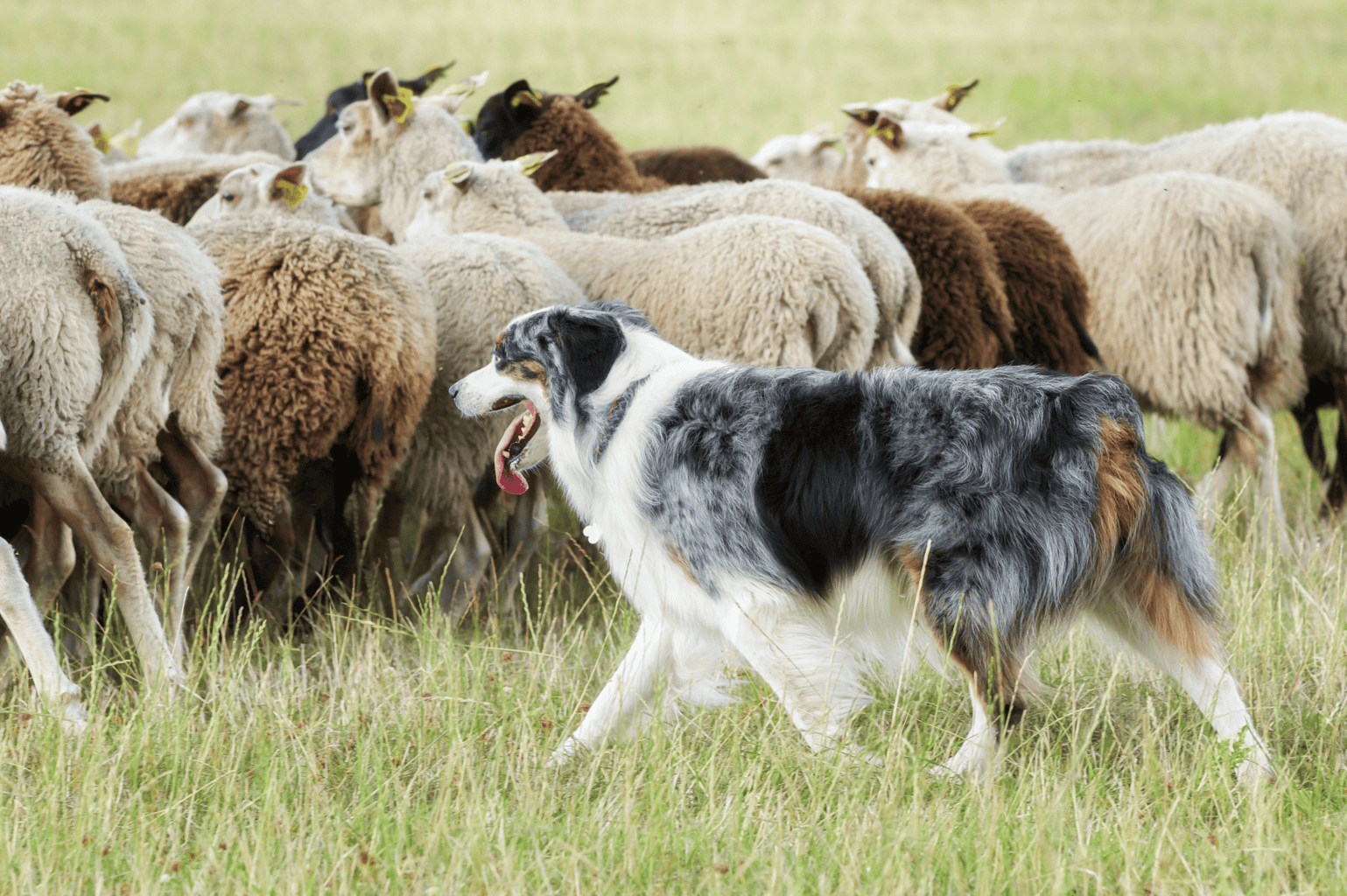
It’s also important to remember that having a dog on a homestead can go one of two ways.. it can be your pet or it can have a job. Yes, love the dog you have on your homestead that has a job, but remember.. it has a job to do.
10. Barn Cats
This is another animal that rarely makes these lists. Barn cats!
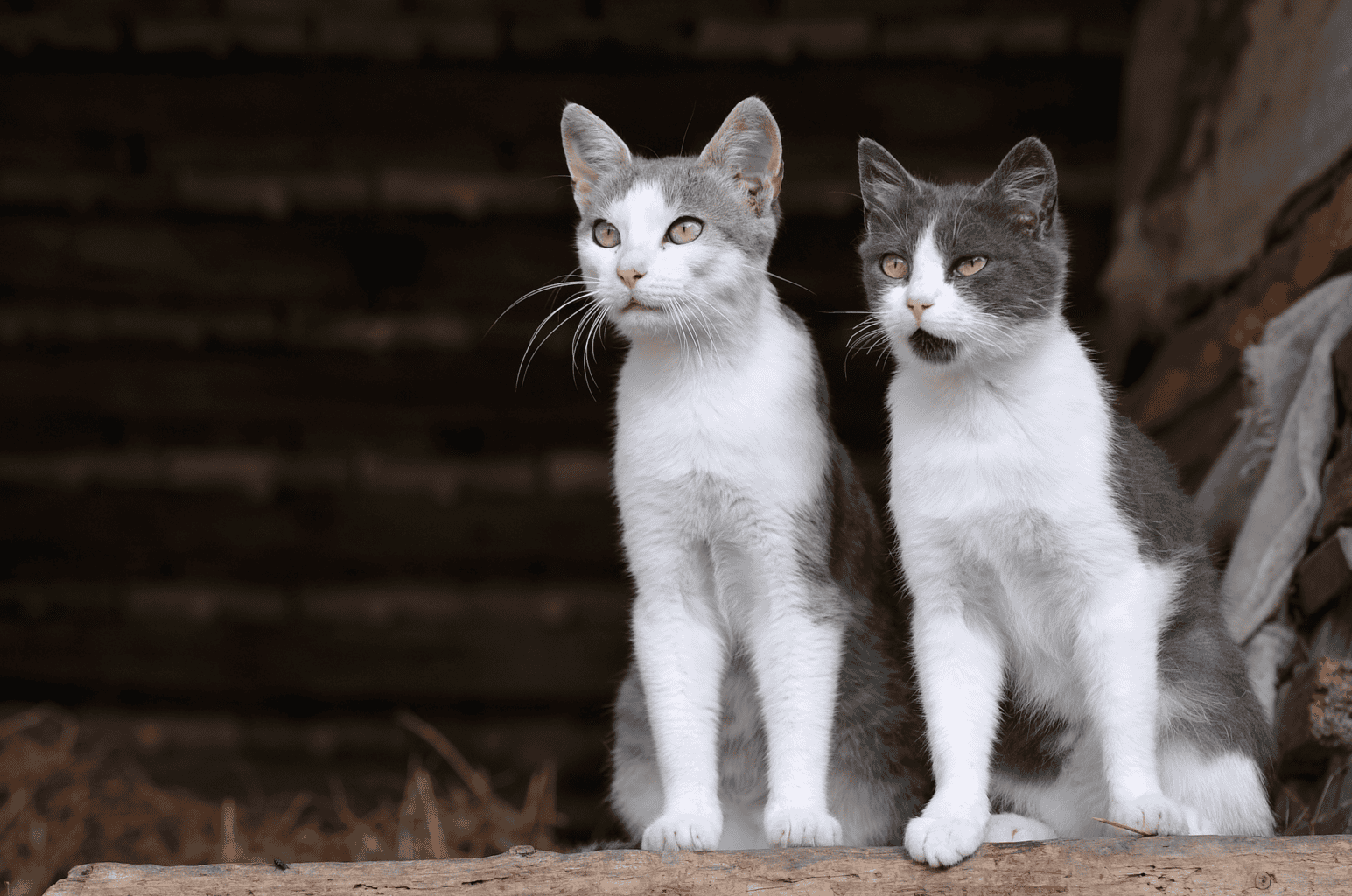
Why barn cats you ask? Mice and rats in your feed room will eat your grain, poop in it, chew through your bags, and ultimately spread disease to your birds, which is NOT what you want.
Barn cats cost nearly nothing and they will keep the mice and rats away for good.
Honestly, barn cats have some of the best return on investment of any animal on your homestead. I know they have been for us.
Of course, get your cats fixed and vaccinated because cats reproduce quickly and at that point you’ll have a different problem. Maybe no mice or rats but WAY too many cats.
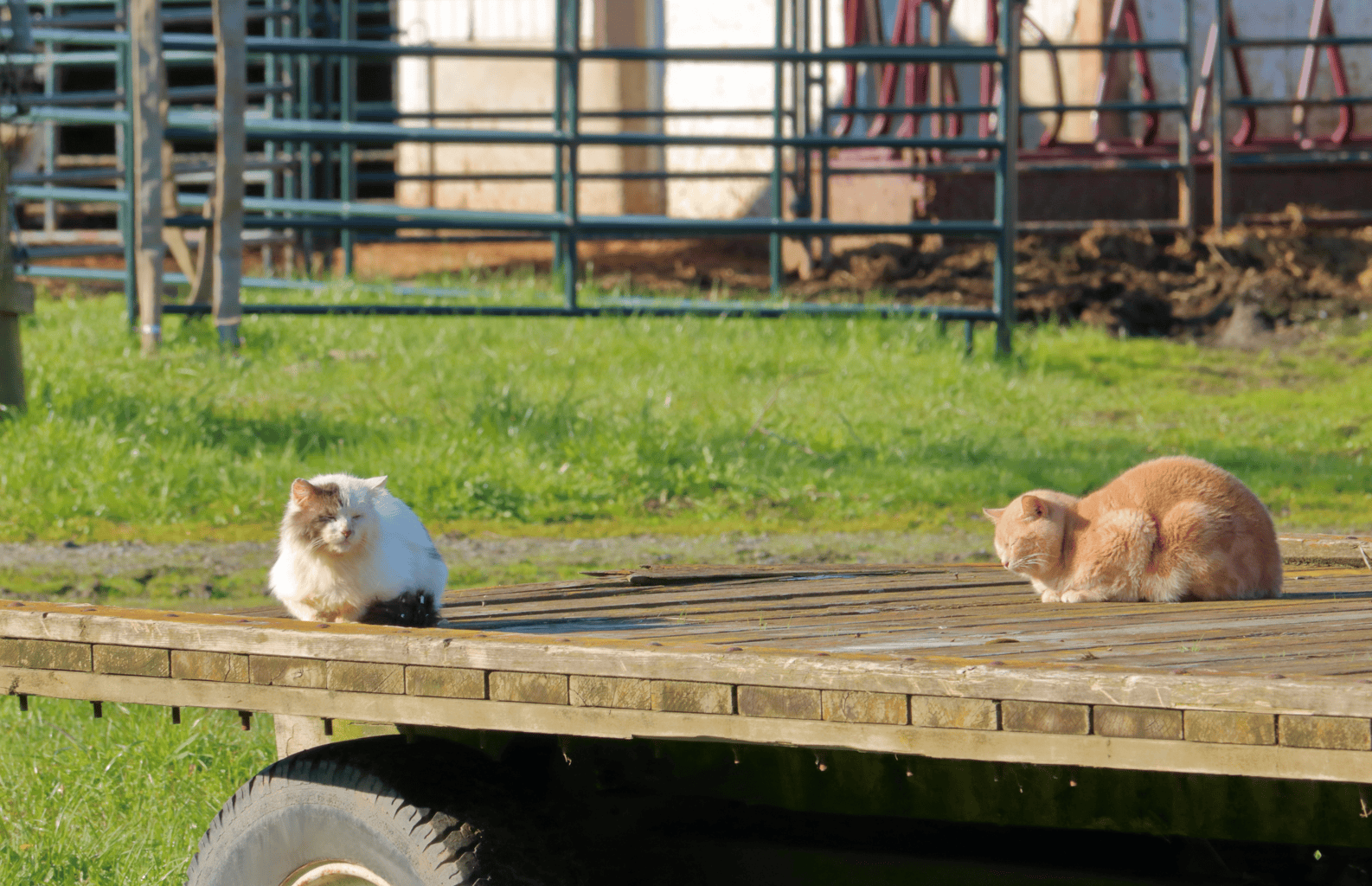
The tradeoff with barn cats is that they will hunt birds as well, particularly songbirds. It’s not our favorite quality, but so far it’s been a small issue compared to the payoff.
9. A Mini Jersey or Dexter Cow
I realize a cow this high on the “best” list feels off, but hear me out..
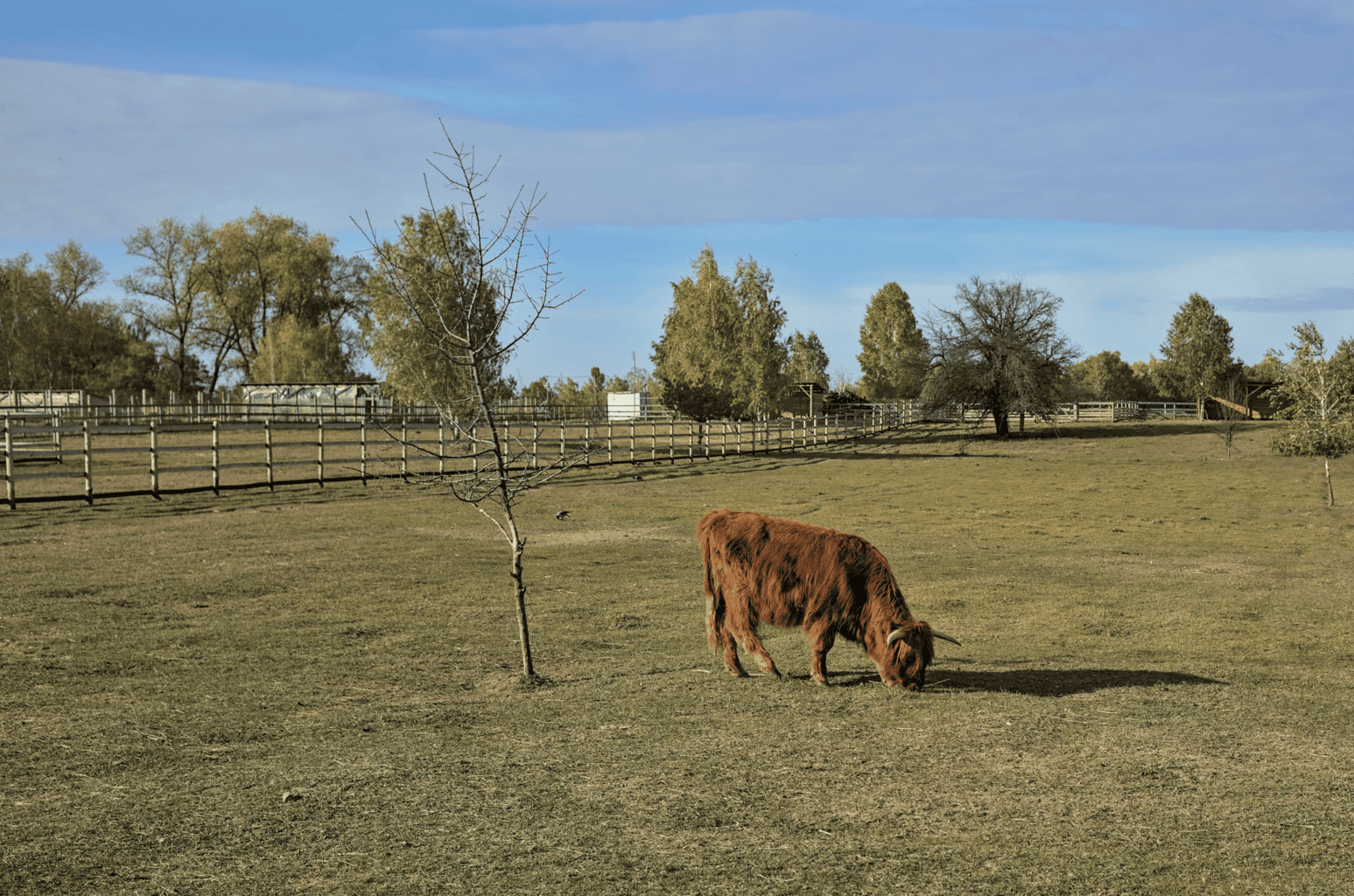
The small breeds are not like the full-sized dairy cows. The full-size breeds can give you like 6-10 gallons a day at peak, which is honestly wayyy too much to handle.
But a mini jersey is going to give you more like a gallon or a gallon and a half per milking, and I think a large family could truly benefit from that.
They also eat a third to half of what a full-size cow eats and they’re much more gentle. They won’t completely destroy your fence line, and they’re just fun to have around.
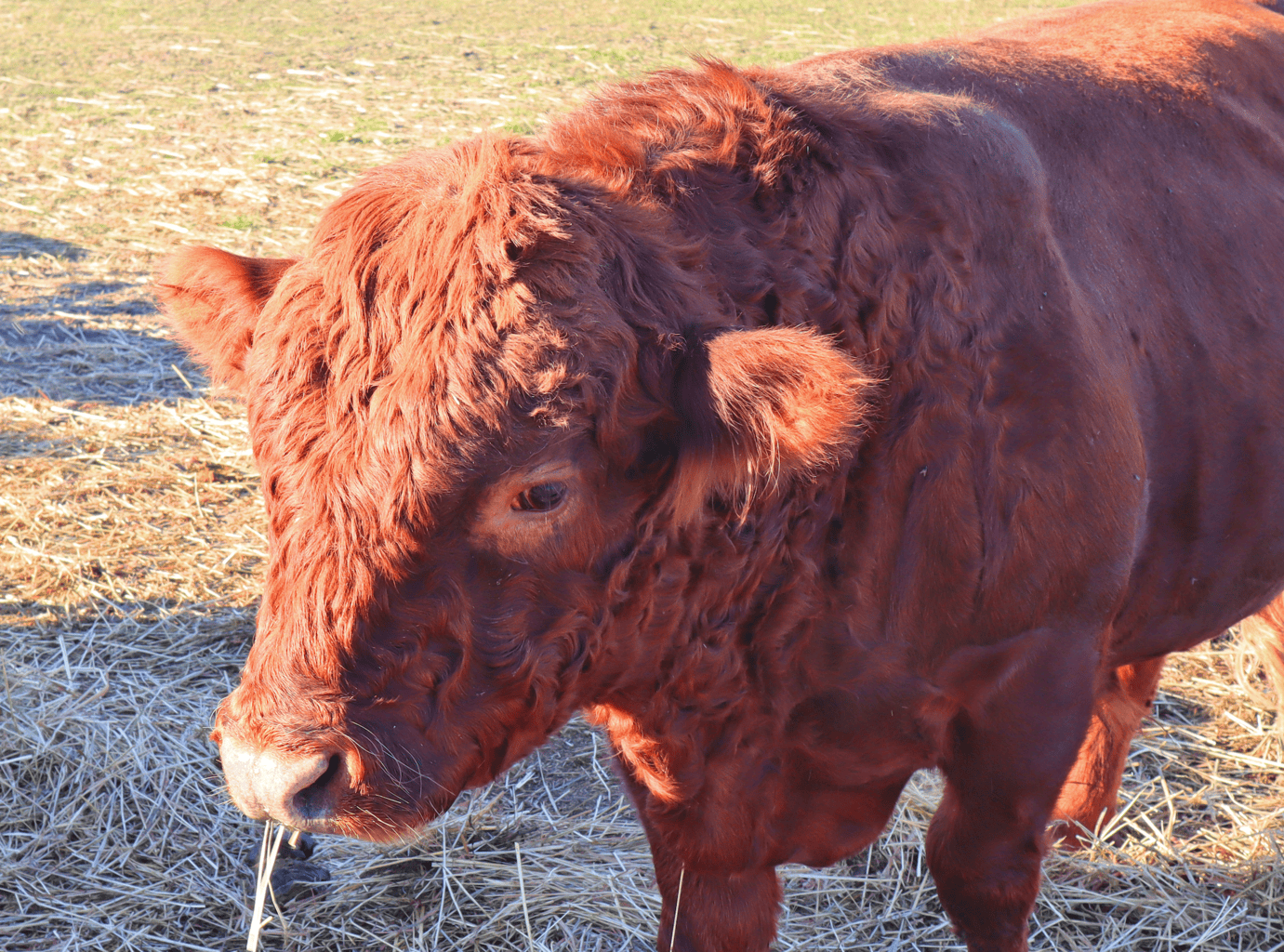
Another thing to know is that you can artificially inseminate a cow almost anywhere in the US, so you don’t have to keep a bull around.
All of this considered, I would not recommend a cow as your first animal. This should be one you consider after 5 years as a homesteader. You’ll need the experience and understanding of how to keep livestock through a winter.
8. Dairy Goats
This is the most argued-about animal in homesteading and for good reason.
When goats are discussed in homesteading groups, we all know and openly say how hard goats are to keep alive. My mother-in-law has goats on her homestead and I swear they try everything they possibly can to off themselves. It’s like a competition for them and it’s nuts.
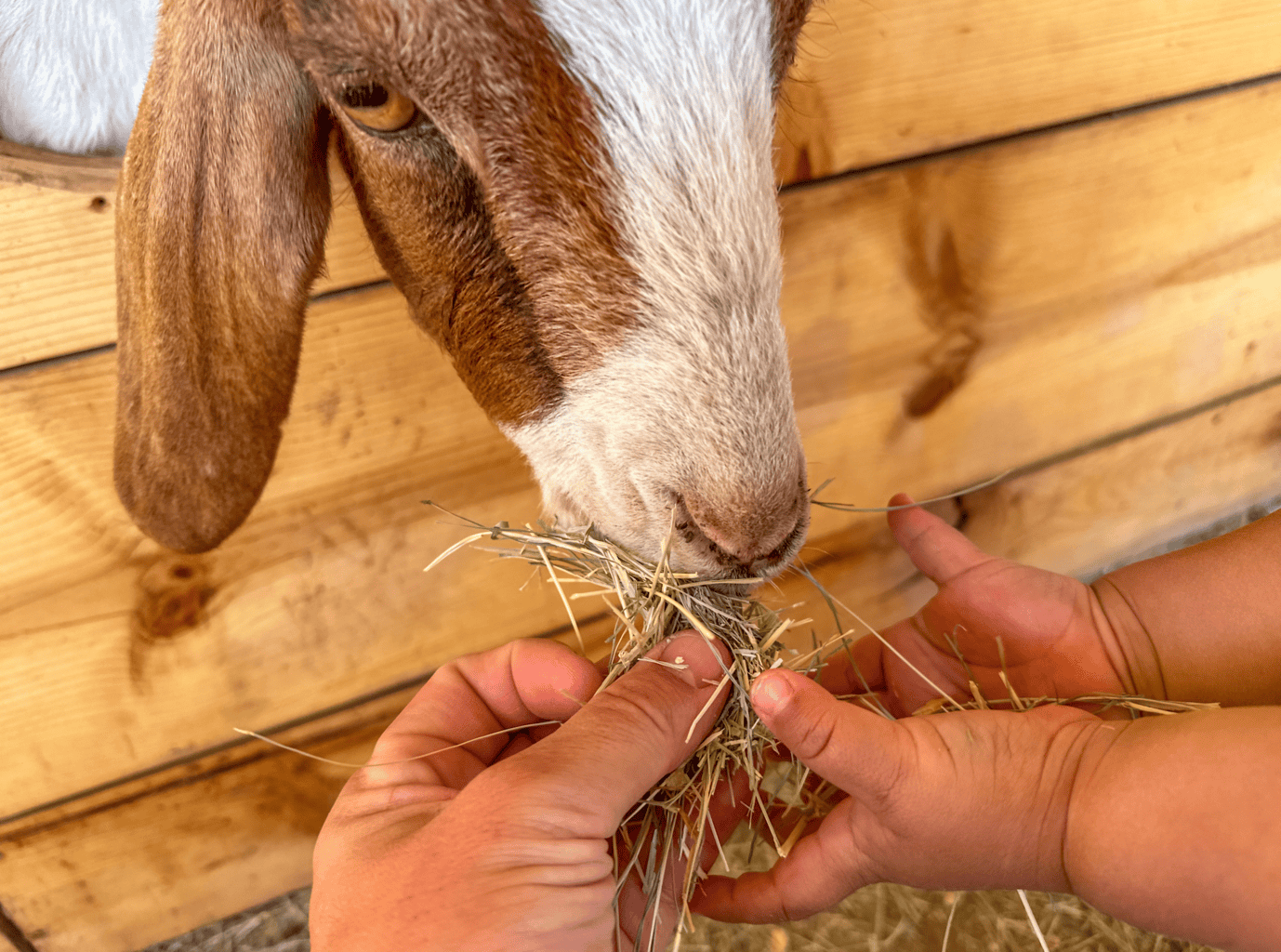
And yet, I’ve still included them on the best list because they they work, they work really well. They provide milk, meat, and they’ll clear brush and saplings off land that you can’t do anything else with.
A Nigerian Dwarf is manageable for one person, and a Nubian will give you a lot of volume and high butterfat.
The problem with goats almost always comes back to fencing. Goats use fencing as a personal challenge and take it very seriously.
Sure, you’ll probably run into other issues with goats, too. Like parasites, etc. But fencing issues always win.
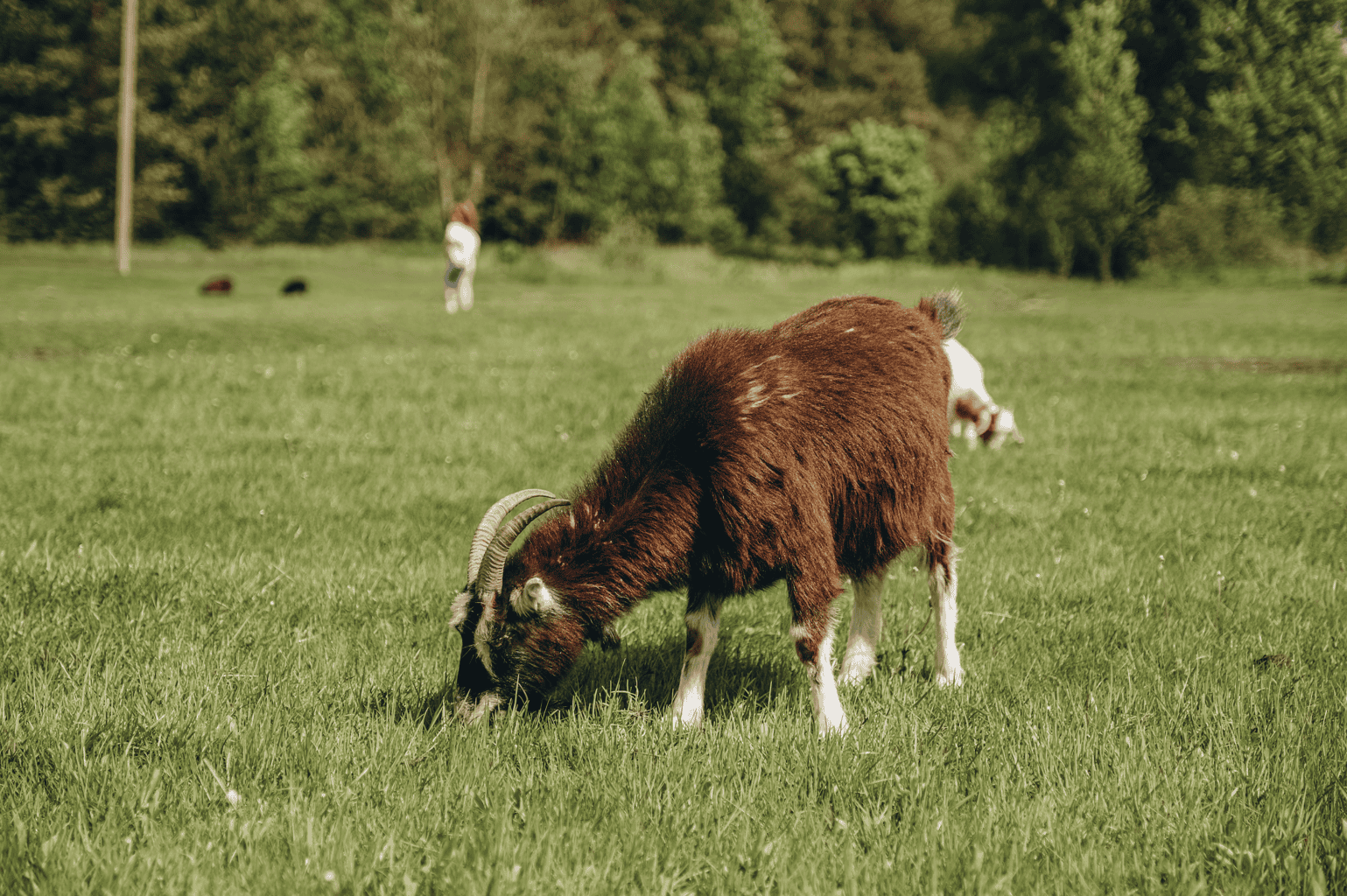
Another thing is that you have to get at least two goals. They are herd animals and a lone goat is miserable. You’ll hear them scream non-stop and the fence-breaking goes to an all-time high.
If your fencing is already strong, you should be okay, but just know that “strong” will take many forms as you raise your goats.
Goats prefer brush and woods over grass, so if your pasture is all grass, you’re going to need to buy hay.
7. Hair Sheep
Hair sheep like Katahdins and Dorpers will shed their coats, which means you don’t have to worry about shearing or fleece sitting. Huge perk!
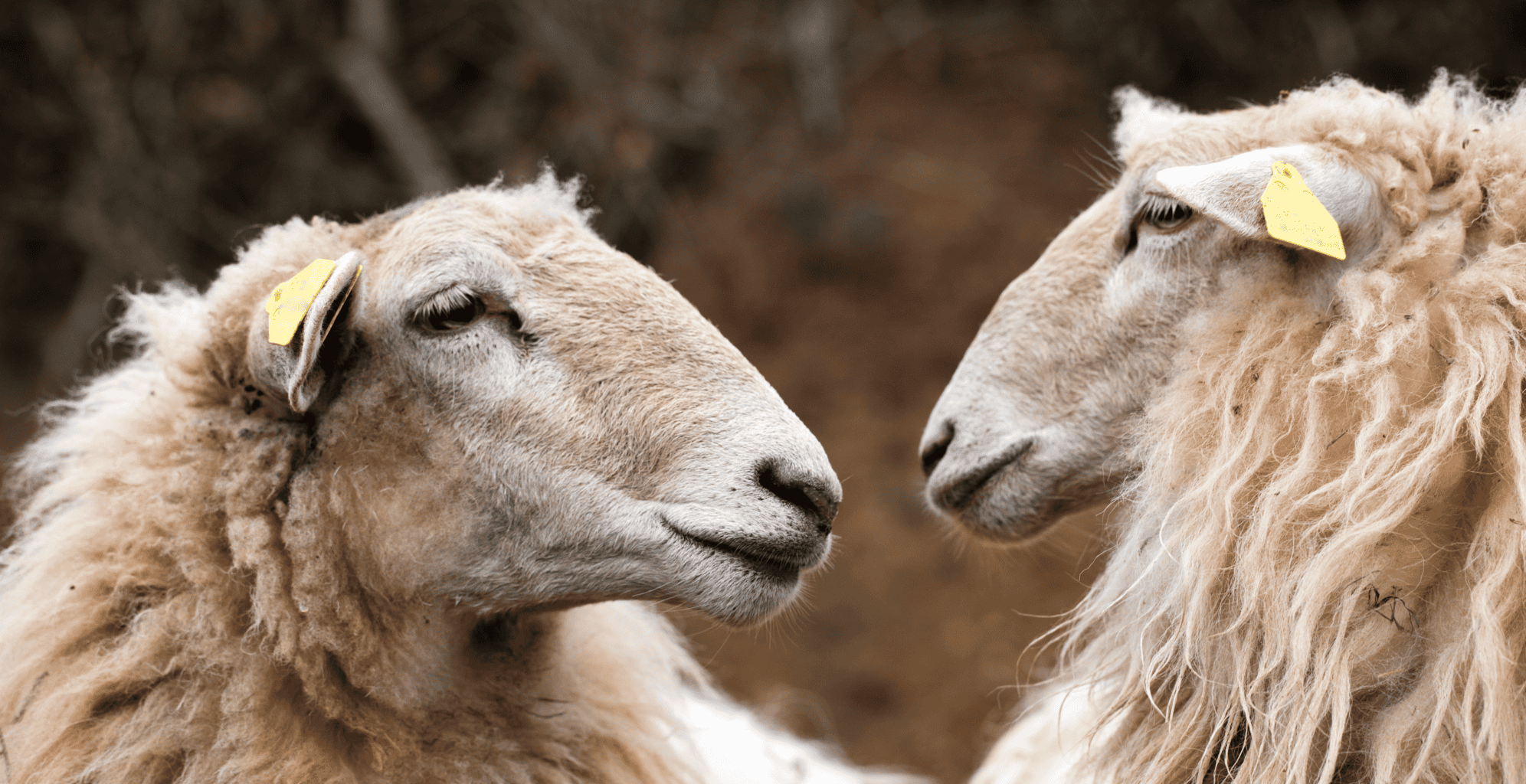
Everyone loves the idea of wool, but nobody is going to enjoy skirting, washing, carding, and spinning it. So if you’re not into that kind of thing, skip the wool breeds.
Sheep also graze grass instead of browsing, so they won’t strip your fruit trees the way goats will. And they are much calmer than goats to work with.
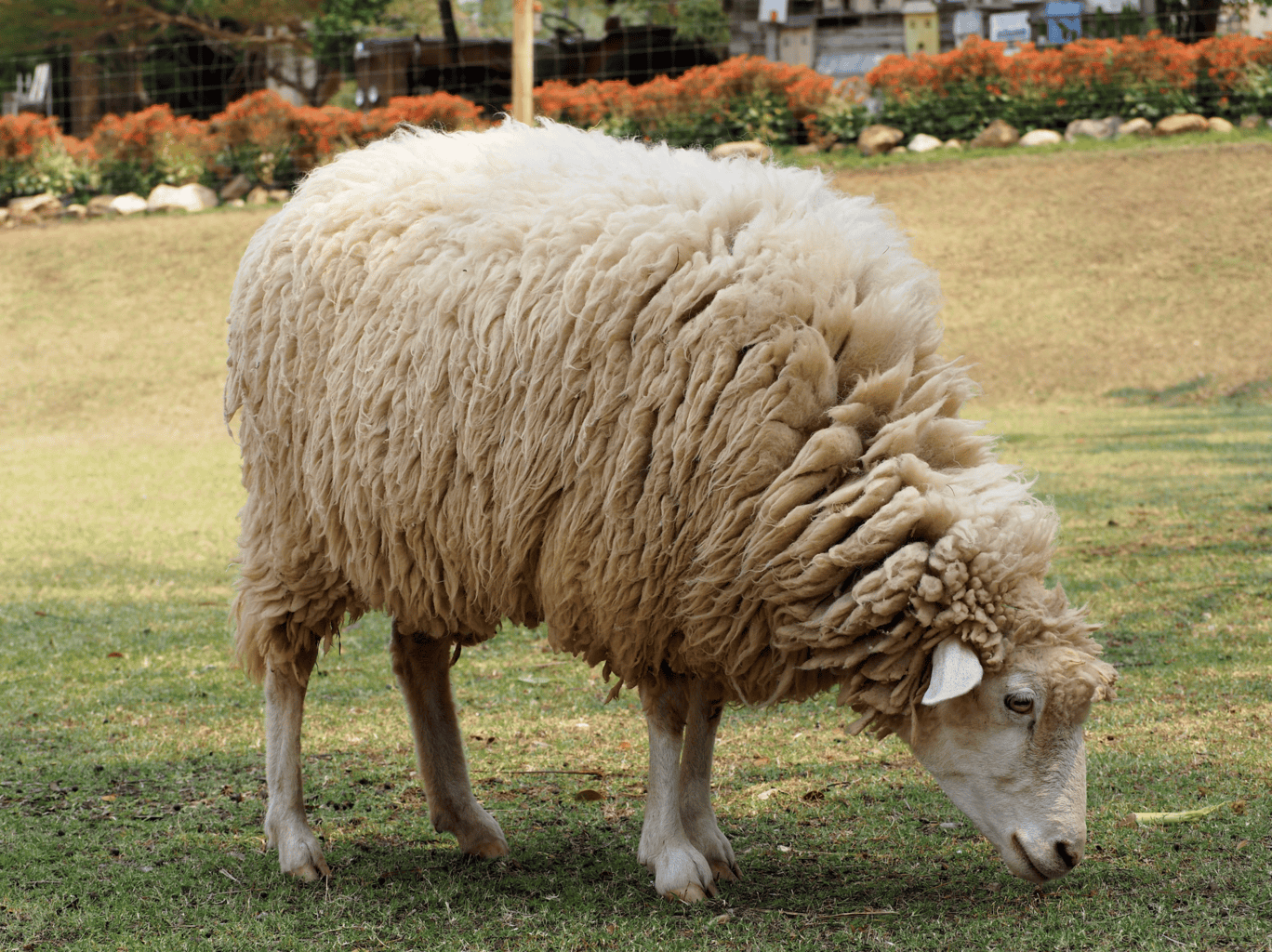
There are two downsides to hair sheep though. The first is parasites. This is true especially if you’re somewhere warm or wet. And second is that they are the easy prey for predators, and it’s heartbreaking.
6. Feeder Pigs
A lot of new homesteaders fear owning pigs, but this is one of the best animals on the list.
You can buy two little pigs in spring, feed them all summer on grain and garden waste, extra milk, kitchen scraps, etc. And in fall, you can send them to the butcher and you’ll have a full freezer.
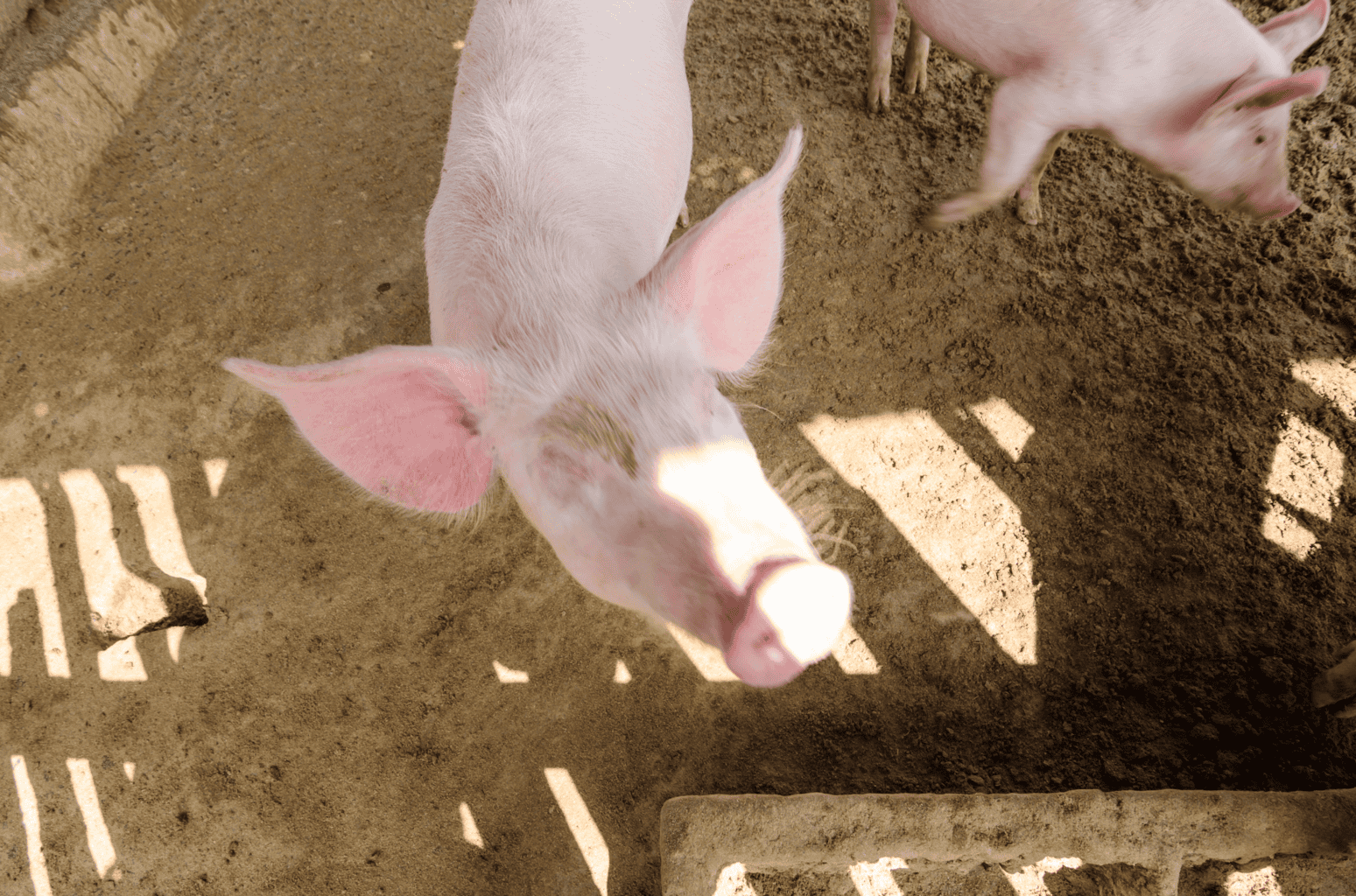
They are traditionally very easy and require little maintenance. And the amount of meat you’ll get is honestly crazy.
But you will need to understand that pigs are smart and they are strong. They’ll test your fence and you’ll need to be prepared for that.
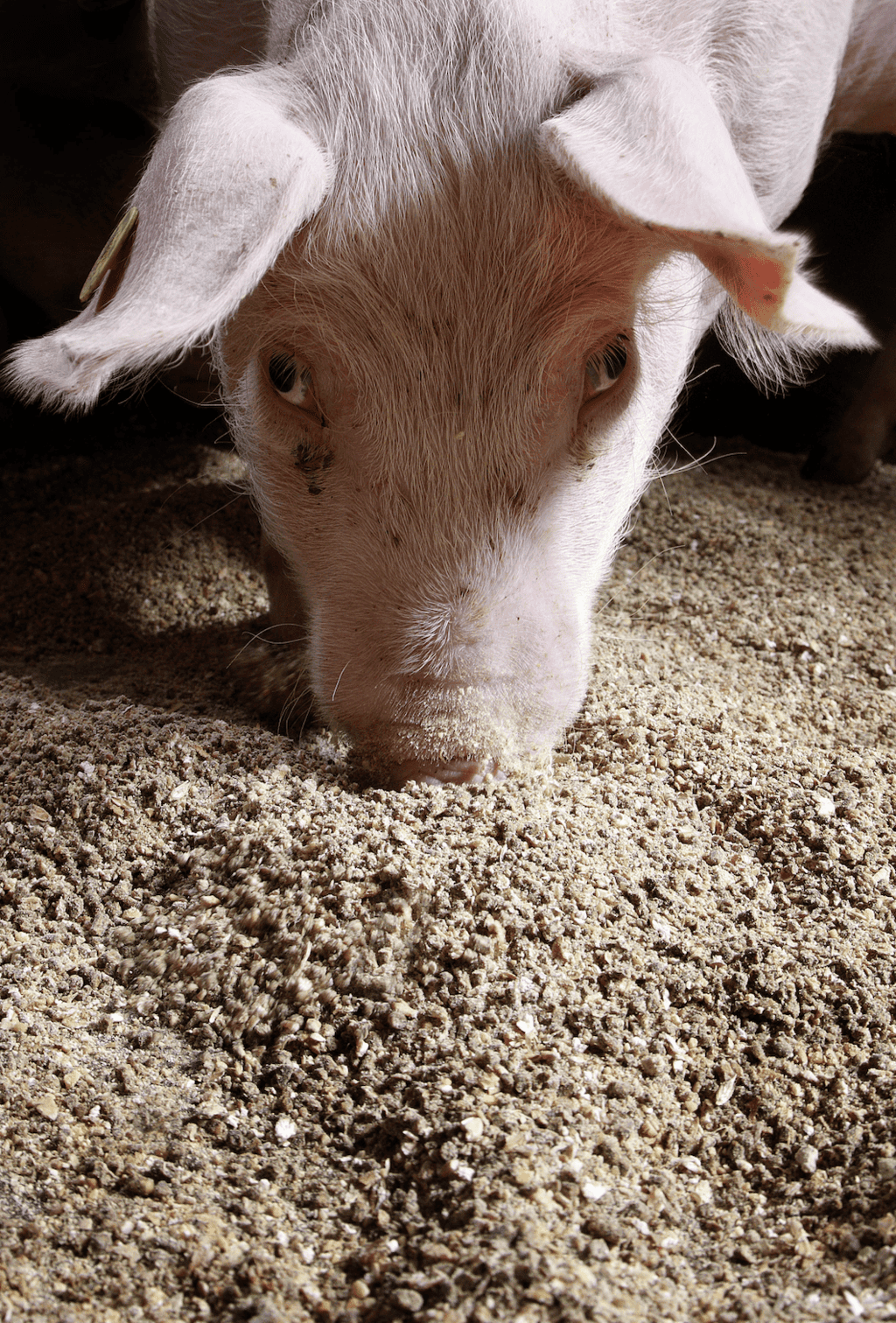
Another thing to know is that they’ll destroy any ground you give them. This is helpful if you want to create a future garden bed, but not so great if that wasn’t your plan.
Pigs will need protein in addition to scraps, so keep that in mind. They can’t just survive on kitchen scraps and garden waste.
5. Meat Chickens
Meat chickens are some of the best homesteading animals to start with.
Cornish Cross go from being small chicks to your freezer in about 6-8 weeks. That’s what we love about them in particular. They have a short and specific start and end date, and they don’t require you to look after them for years and years.
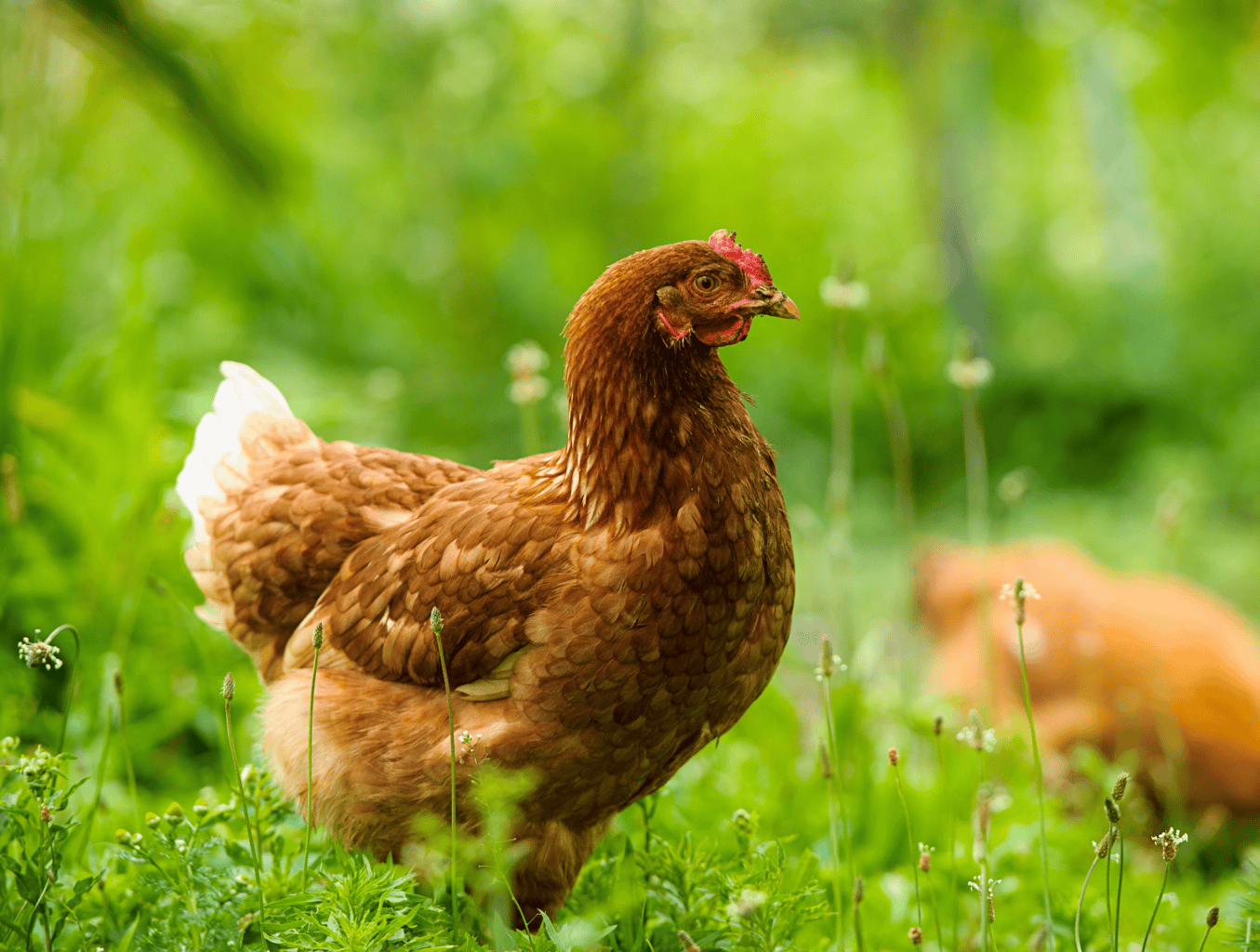
These chickens will eat a lot and they will poop a lot (and their poop smells awful), so it’s something to consider before buying them. Your best bet is to give them access to grass and move them around a lot to new places.
Cornish Crosses grow so fast, and it’s kind of odd to watch, so if that bothers you, there are slower-growing meat chickens as well.
Important Tip: If you’ve never processed a bird, find somebody near you that does it and ask if you can help or watch. That’s how to learn quickly and it’s a great way to connect with others in your area.
4. Coturnix Quail
If you’re short on space or you’re technically not supposed to have livestock where you live, consider corturnix quail.
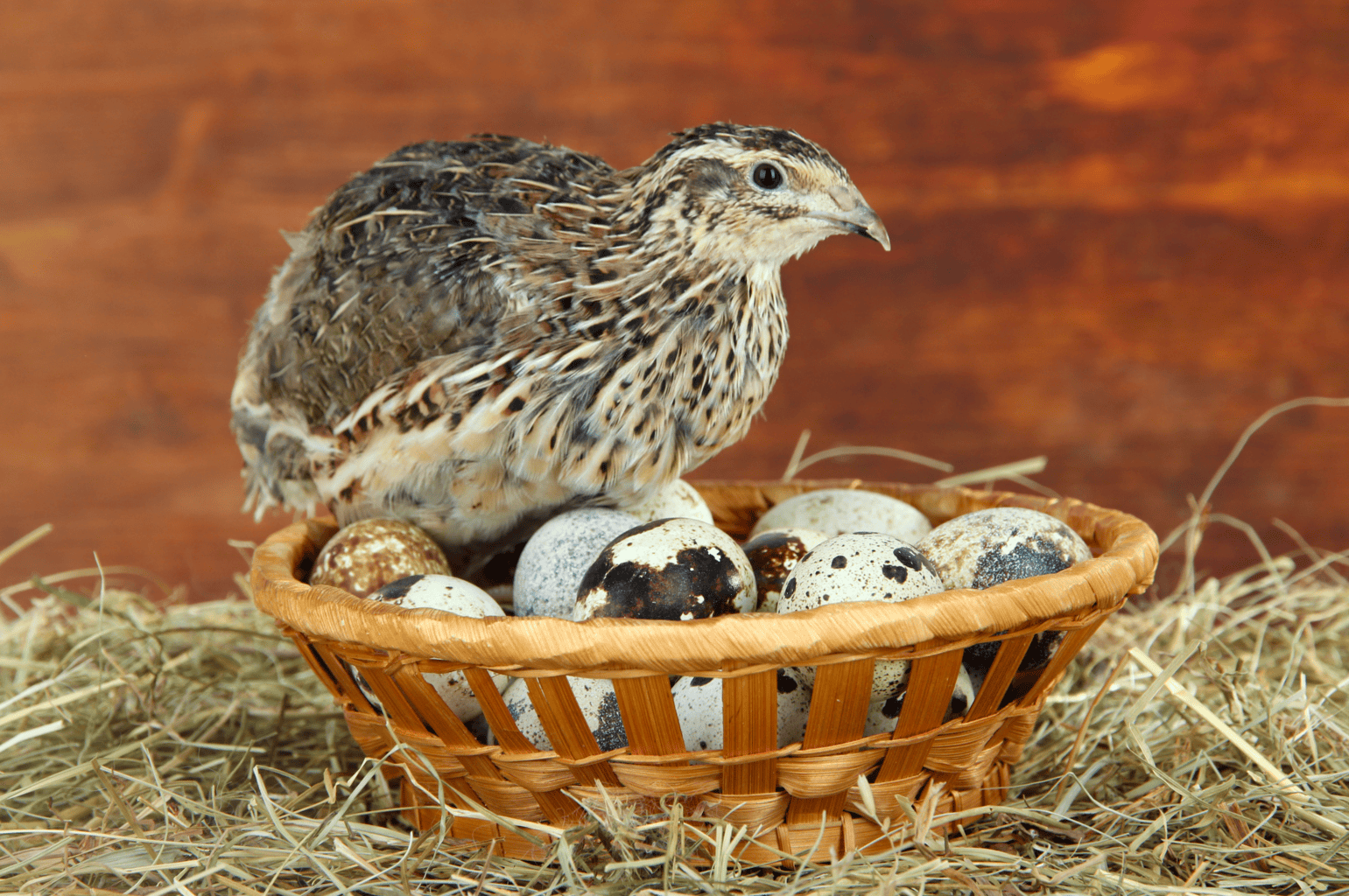
Quail start laying eggs at about 6-8 weeks old, so you can basically hatch your own quail and be eating its eggs way before a chicken ever would.
They’re also ready for meat around 8 weeks, too, so you can get food (eggs and meat) faster than almost any other animal on this list.
They need about one square food each and you can stack their cages vertically, which makes things really easy. The females are quiet, and the males only make a soft noise, so most neighbors won’t ever notice you have them.
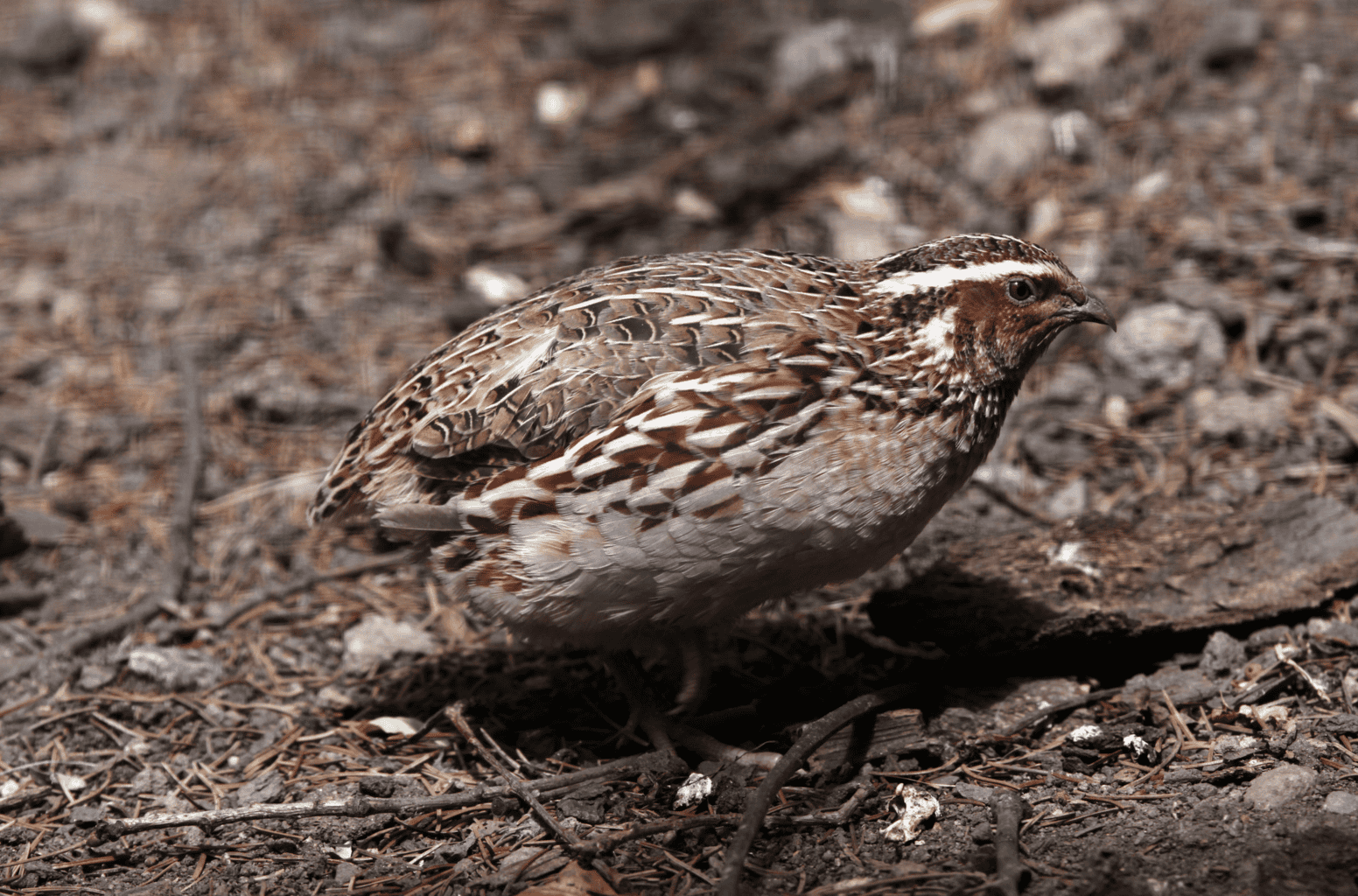
A quick tip with these birds is to put their cages over your compost pile. Easy peasy.
But not everything related to these birds is positive.. they produce tiny eggs, and processing them can be tough. And they spook easily, so if one gets out you probably won’t ever see it again.
3. Ducks
Ducks are one of the most underrated homestead animals on this list. And it’s crazy that more people don’t know this.
Khaki Campbells and Runners will lay 250-300 eggs a year, which is actually more than most chickens and they’ll keep laying them through winter when chickens usually sulk. Not to mention, duck eggs are bigger and richer than chicken eggs.
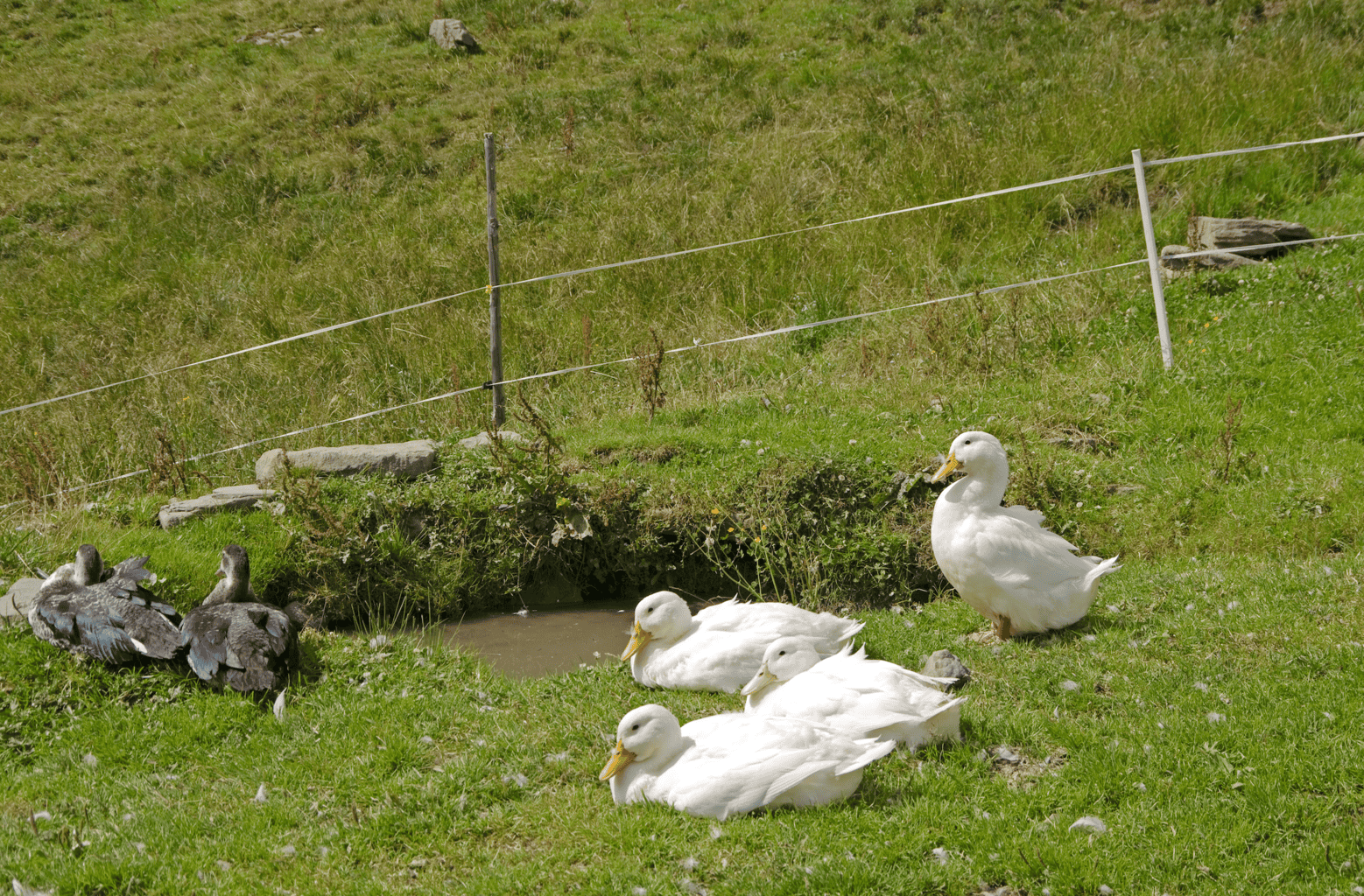
Ducks eat slugs, snails, and grasshoppers, and they’re the best for pest control, unlike chickens.
People assume ducks need a pond, but they really don’t. You can give them a kiddie pool so they can dunk their heads, and that’s plenty for them.
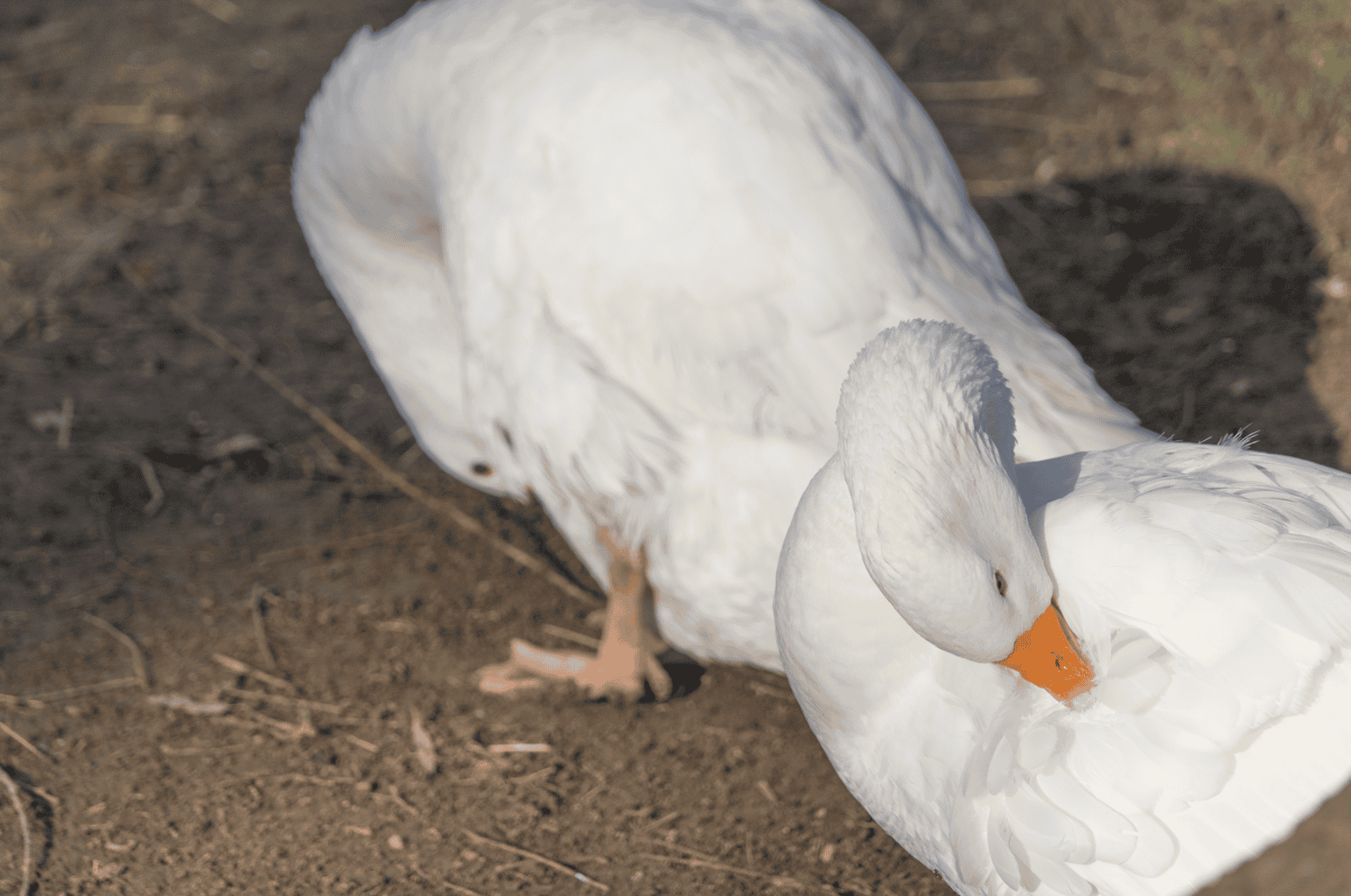
The downfall is that ducks will trample young seedlings, so keep them out until things are established. They also create a mess. Ducks will turn every water source into a mud pit, so plan your water setup because it will become a swamp before you know it.
And if you plan on butchering, they are harder than chickens because their feathers are a nightmare.
2. Meat Rabbits
If you’re looking for the best return on your money invested, meat rabbits are at the top of this list because they offer the best protein per dollar and per square food.
A few of these meat rabbits will keep your freezer stocked, and they’re ready around 8-10 weeks.
You can also keep meat rabbits in most places since they don’t typically require permits, and they don’t make any noise. Growing up, my neighbor kept meat rabbits in our suburban neighborhood, and we always thought it was strange.. that was until I started my own homestead.
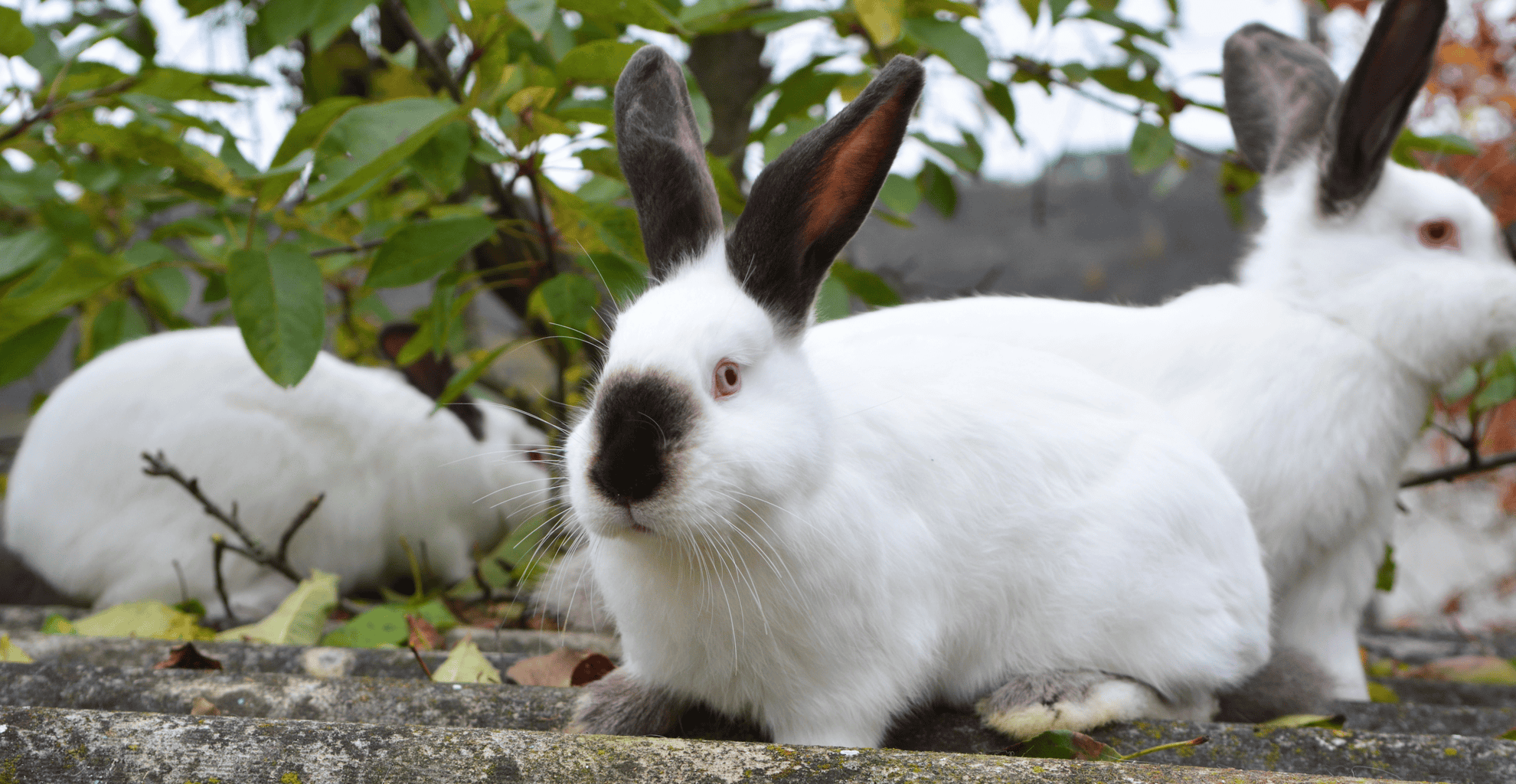
Rabbit manure can be put straight on your garden without composting it first because it’s cold. So you don’t have to wait and it won’t burn your plants. Honestly, it’s the best free fertilizer you’ll get.
They’re also the best animal for learning husbandry like breeding, kindling, health checks, and processing. If you can manage rabbits, you can manage most things.
There is a learning curve on breeding, but you’ll get the hand of it after a few months. The hardest part for most people is the harvesting because well.. it isn’t easy to picture little bunnies in your freezer.
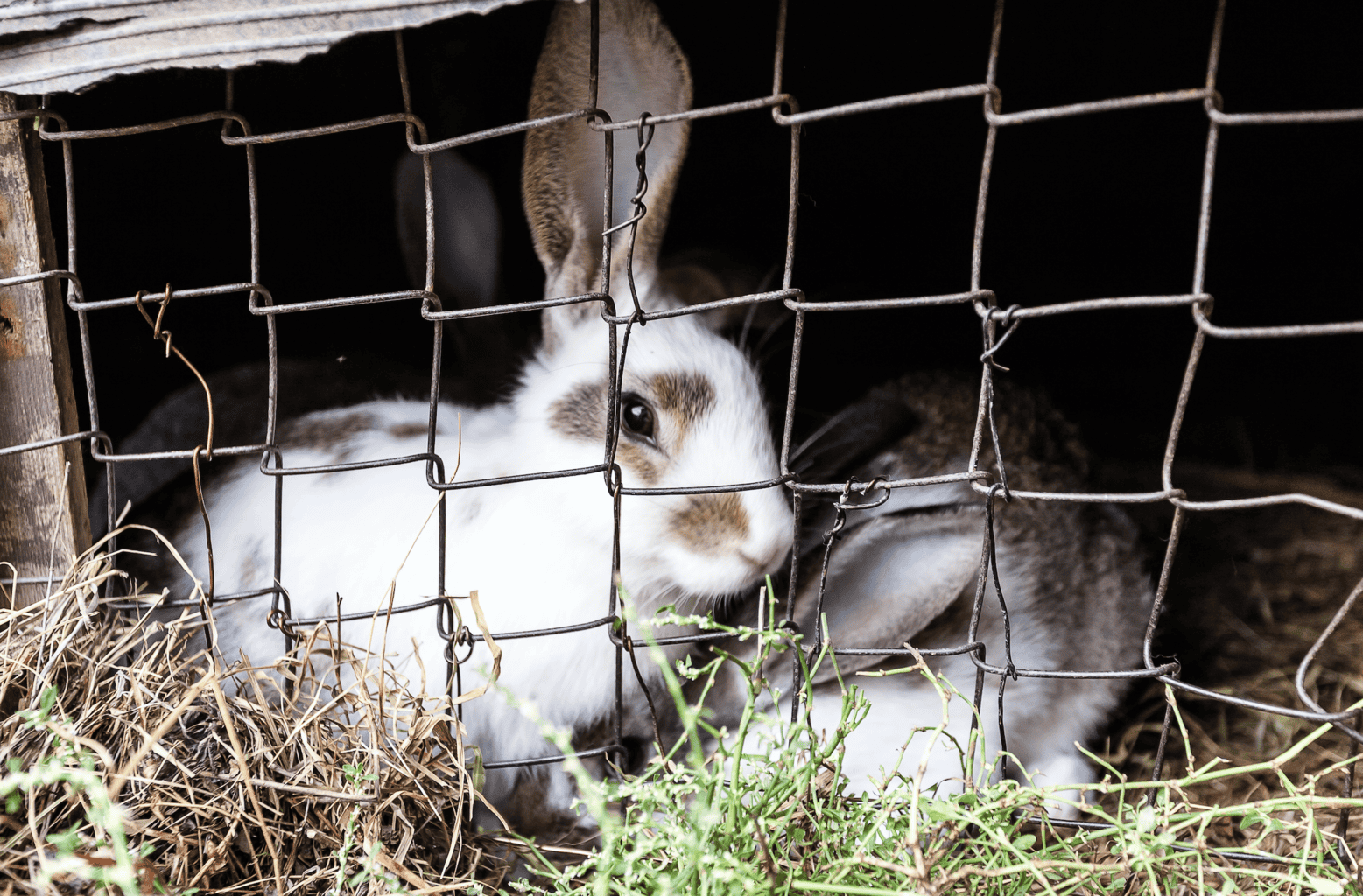
One thing can can help you is to call them rabbits instead of bunnies because bunnies are pets and rabbits are for food. This especially matters if you have kids.
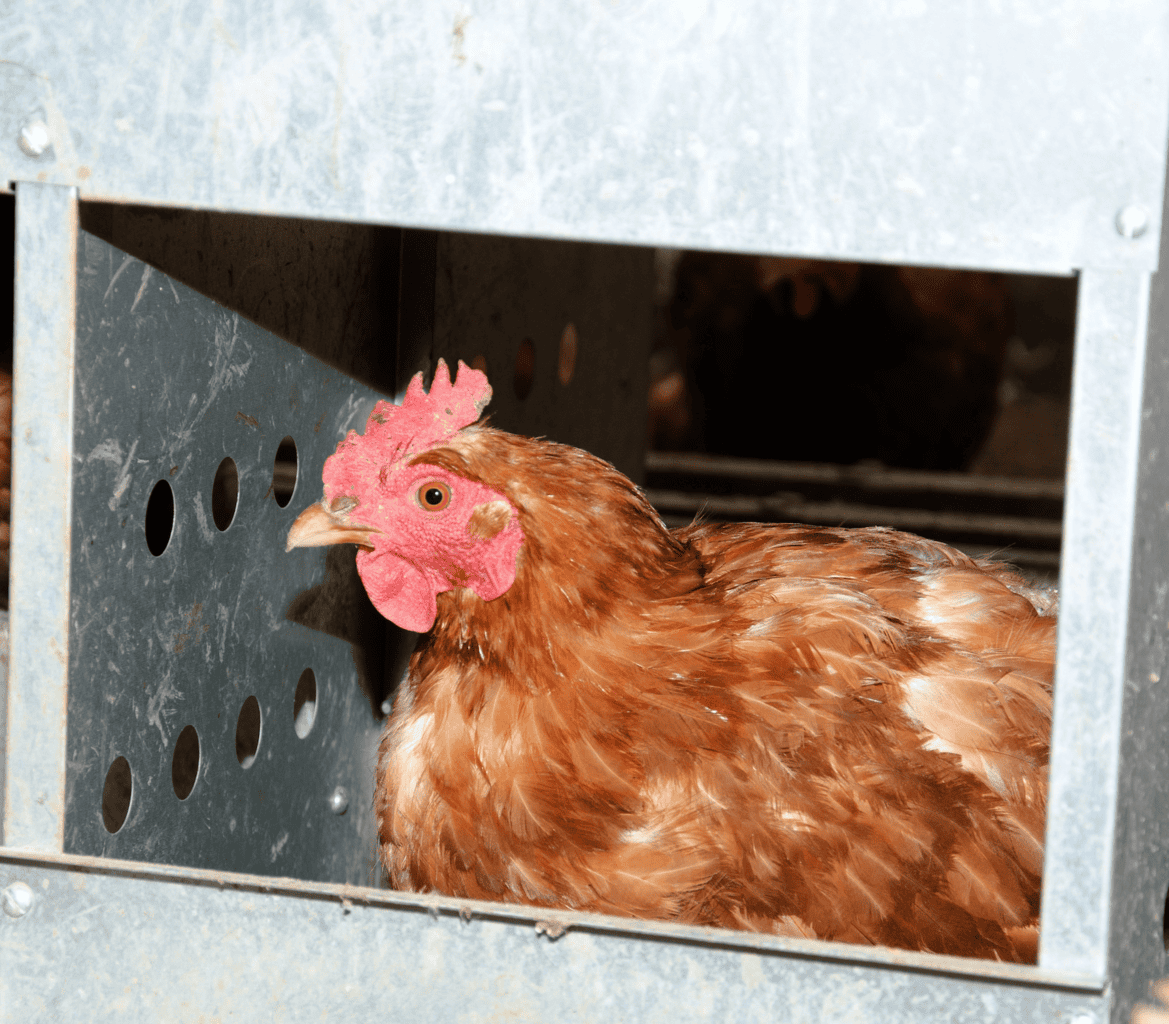
1. Laying Hens
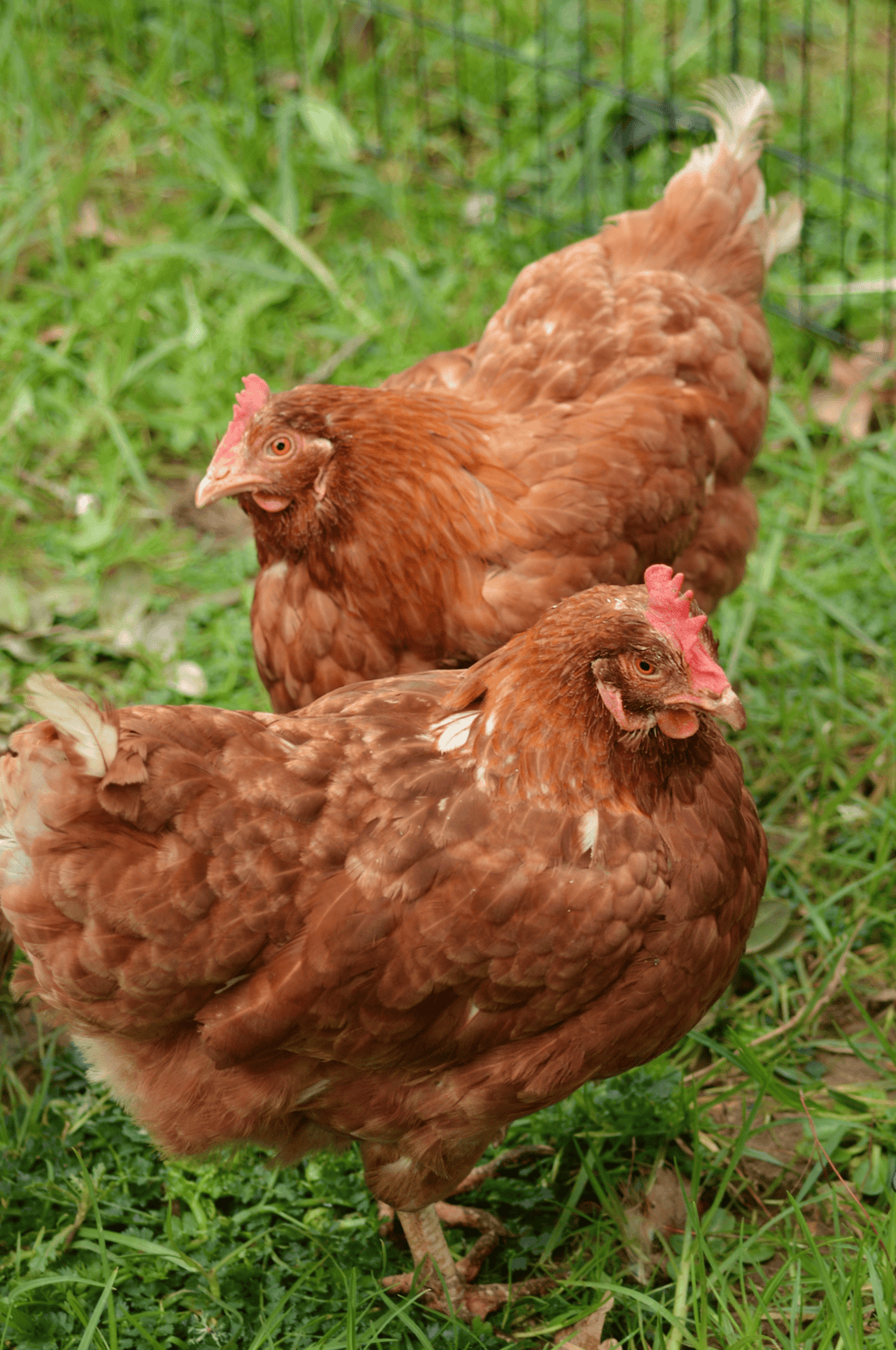
I’m sure you guessed that laying hens would be #1 on our list. They’re cheap and easy to source. Not to mention they are easy to rehome if you realize that livestock just isn’t for you.
Chickens are great for getting your investment back within a few months, and they are also very common, so if you need help with yours, there are lots of people who know what to do.
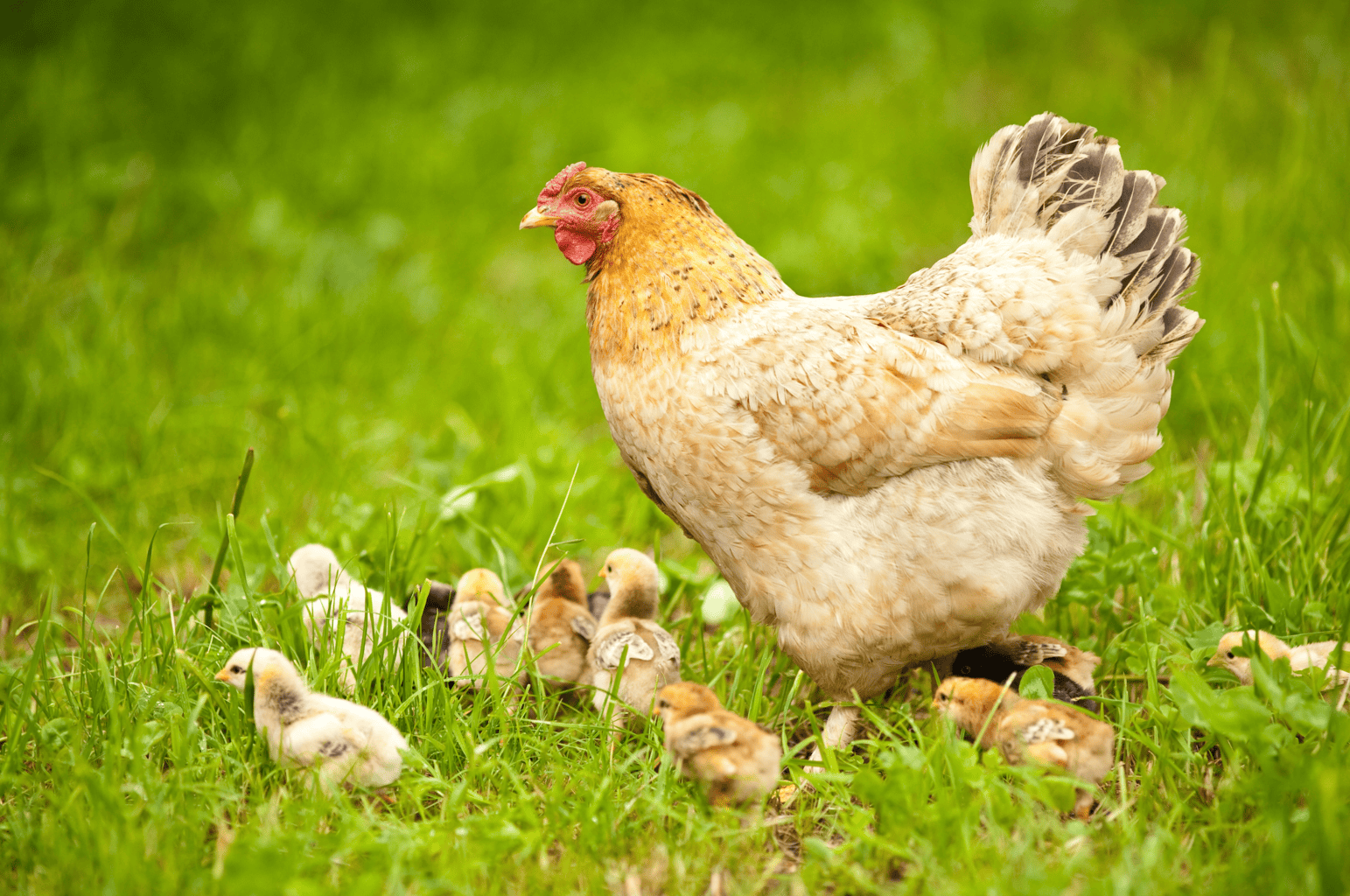
Chickens eat kitchen scraps and bugs, and their manure composts really well for your garden. They eat ticks, they’re fun to watch, and they are just good companions overall.
The downside is that chickens will destroy your garden; they’ll strip your garden of seedlings so fast, so fencing is necessary if you want to keep them out.
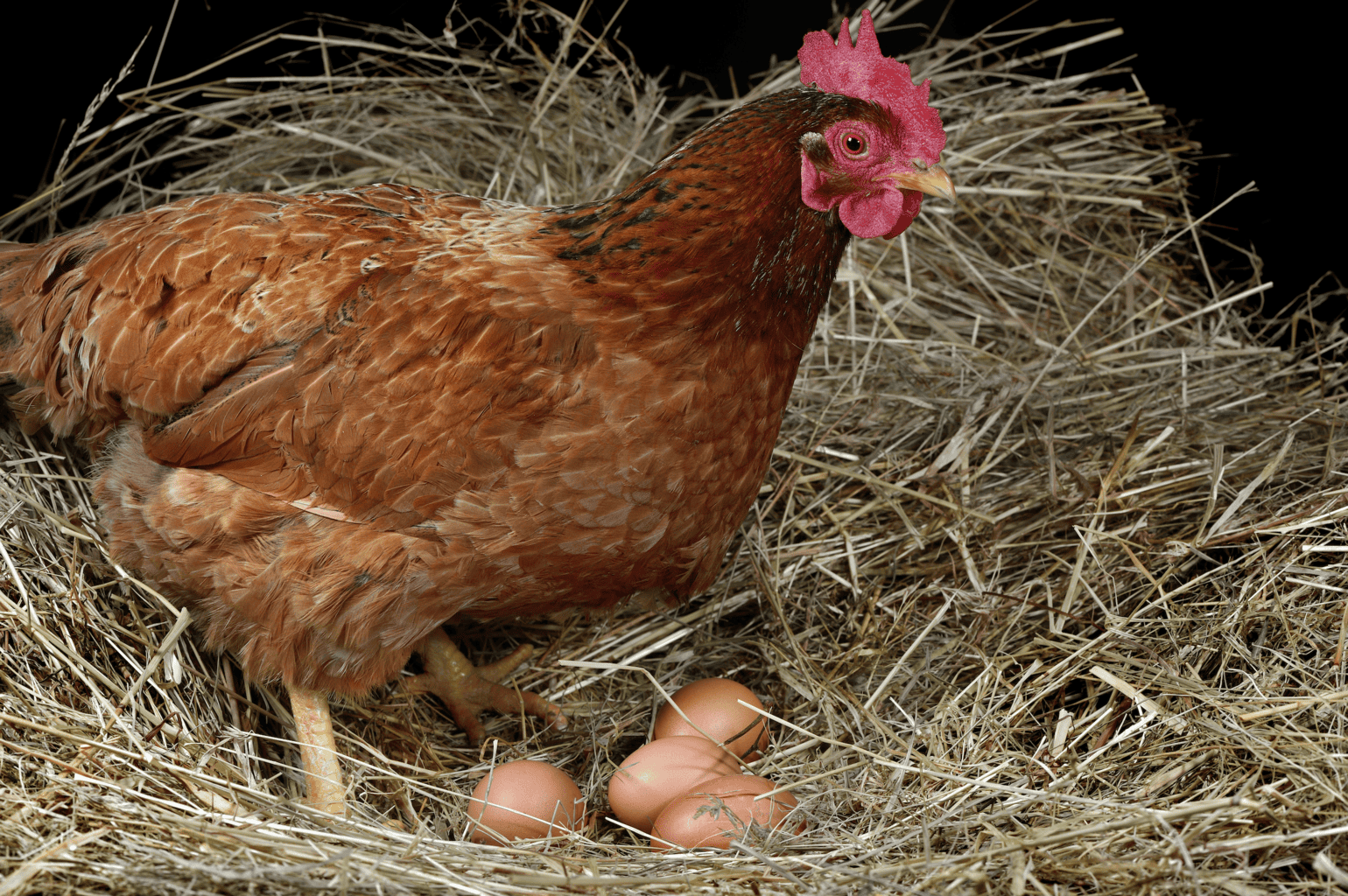
They will stop laying eggs in the winter unless you give them light, and their laying will drop significantly after the second year. So at some point, you might just have chickens that eat all day but don’t produce eggs.
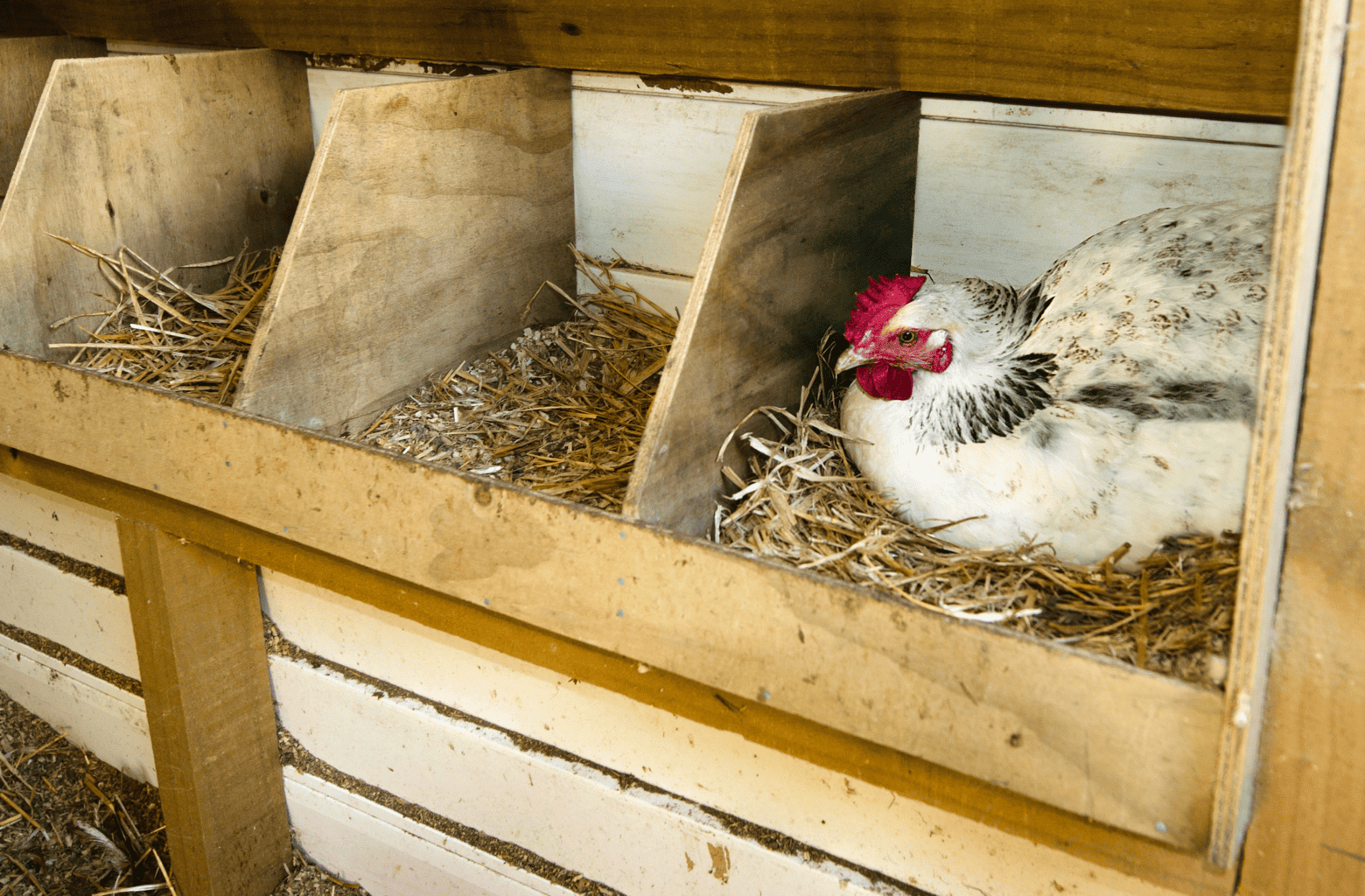
Important Tip: Make sure you secure your coop before your birds arrive. Raccoons will reach through chicken wire.
Use hardware cloth, bury an apron of it, and make sure to close everything at dusk. If you learn this the hard way, it will be a sad day for you and your flock.
THE WORST ANIMALS FOR A HOMESTEAD
I’m sure you’re dying to know what the worst animals for a homestead are. So without further ado, here they are.
Quick Note: I don’t want to get hounded here, so I want to be clear that these are not bad animals, they could just be bad timing.
1. Guinea Fowl
People get guinea fowls for tick control, but you’ll quickly find that you’ll have a complicated relationship with these.
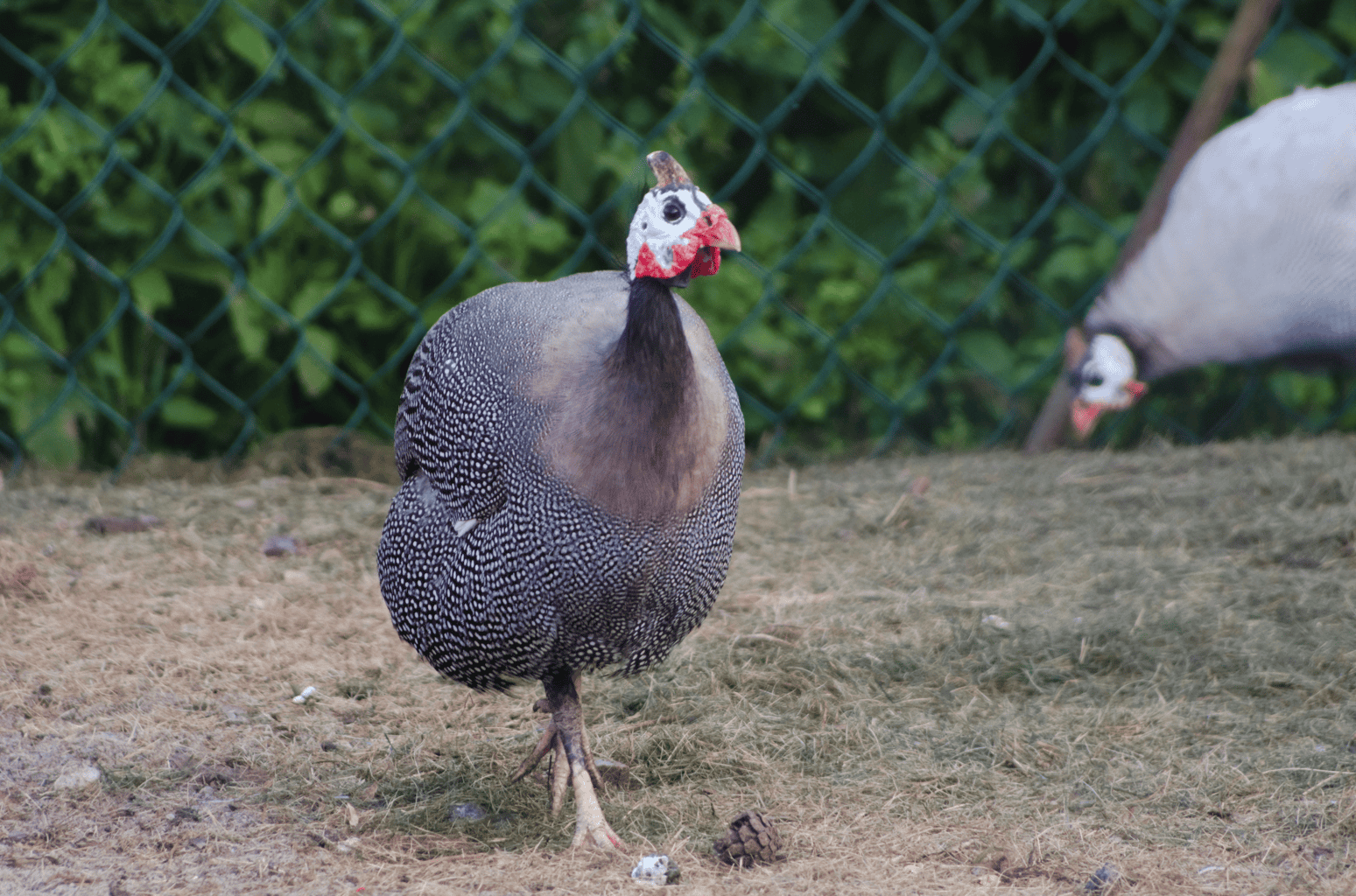
Sure, they will eat ticks for you, which is amazing, but they are very loud, they wander, and they roost in trees instead of going inside at night. Which is basically like an open invitation for raccoons to have a delicious meal.
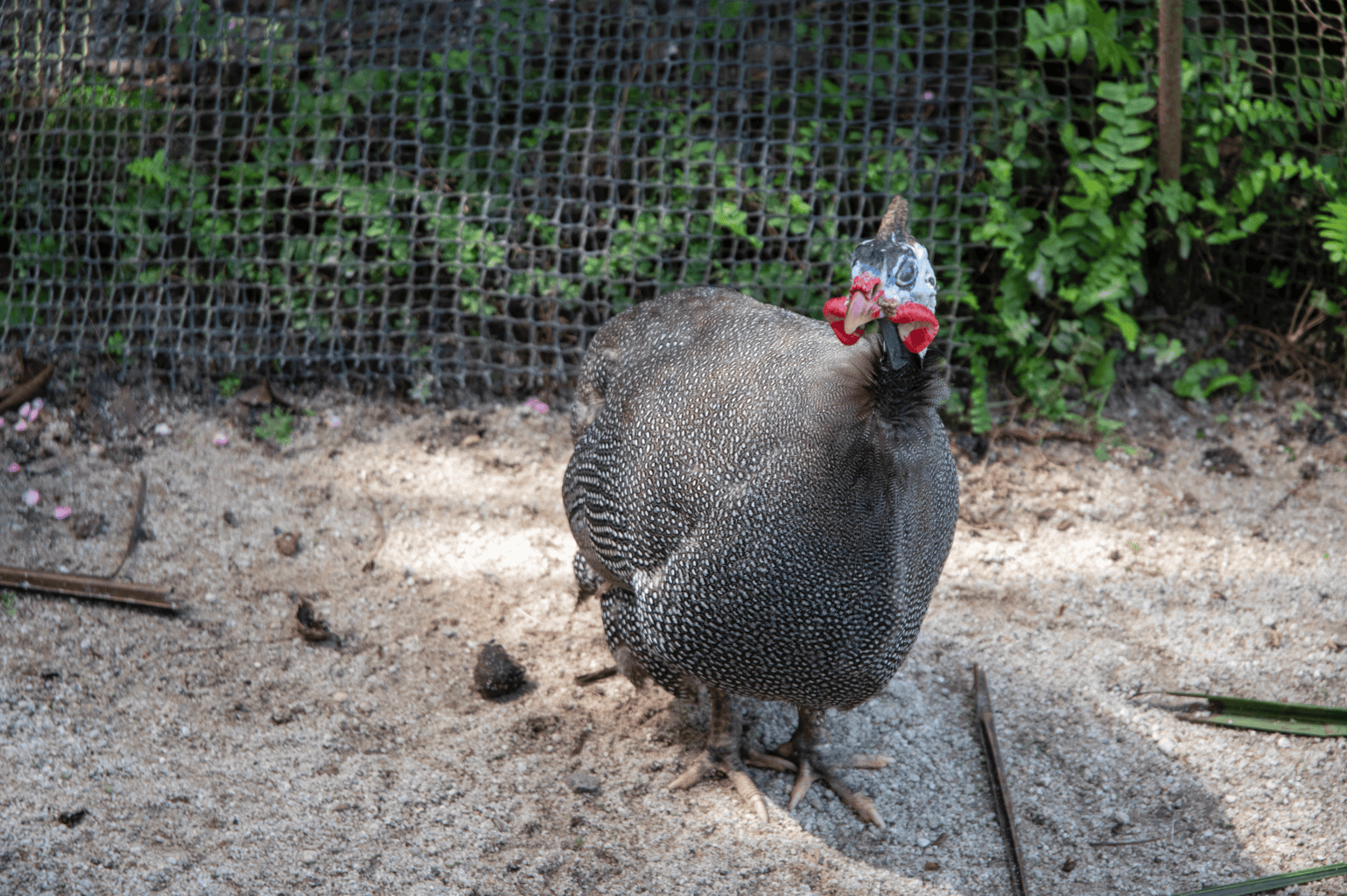
If you have neighbors, do not buy guinea fowl. If you’re on 40+ acres and the ticks are just out of control, okay maybe consider guinea fowl.
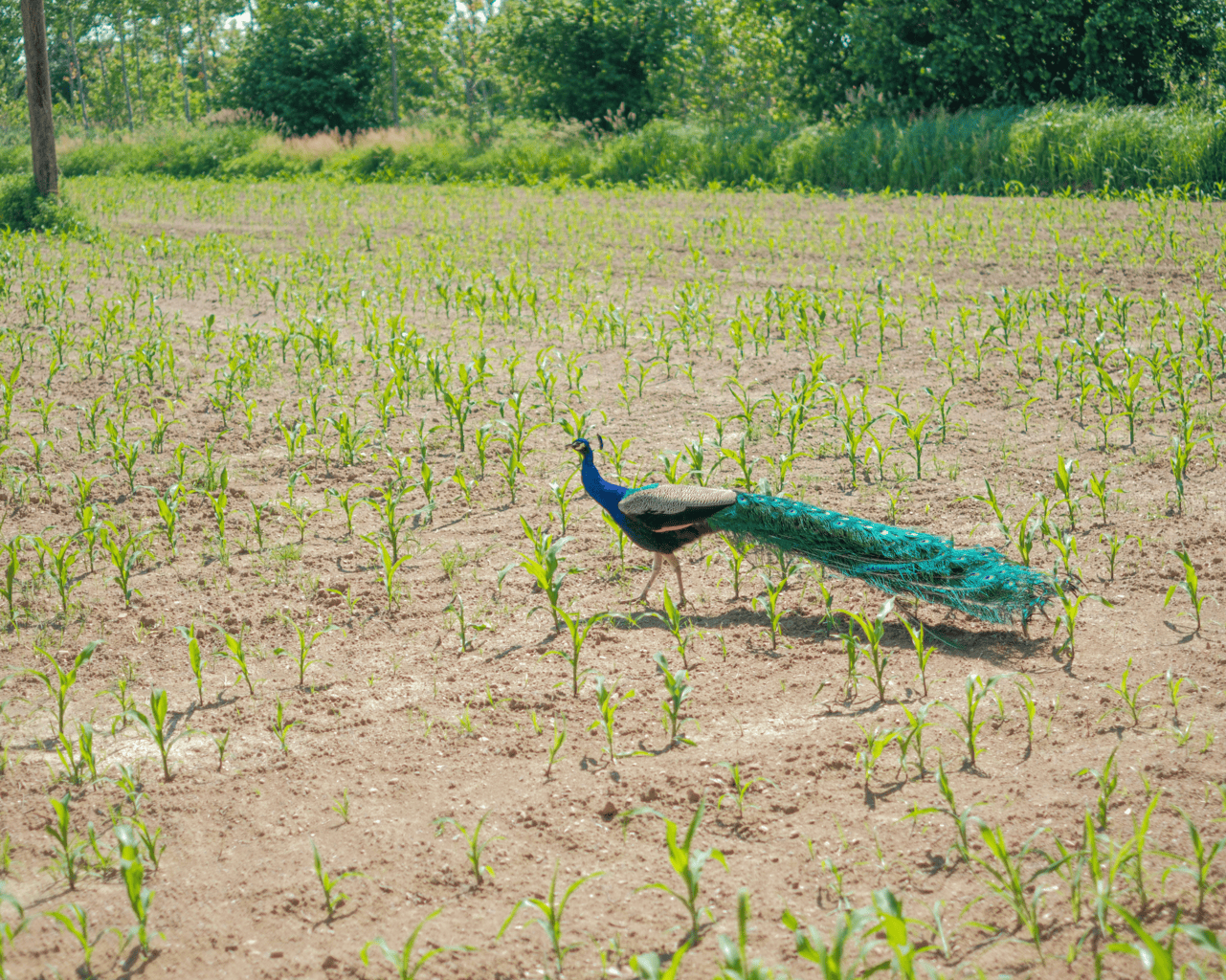
2. Peafowl
Peafowl are gorgeous, and I think we can all agree on that. But there’s zero practical return on these birds.
They are very loud, they fly all over, and they will scratch up your car. You also can’t eat they, they don’t produce anything, and and in order to contain them, you have to build a tall covered aviary.
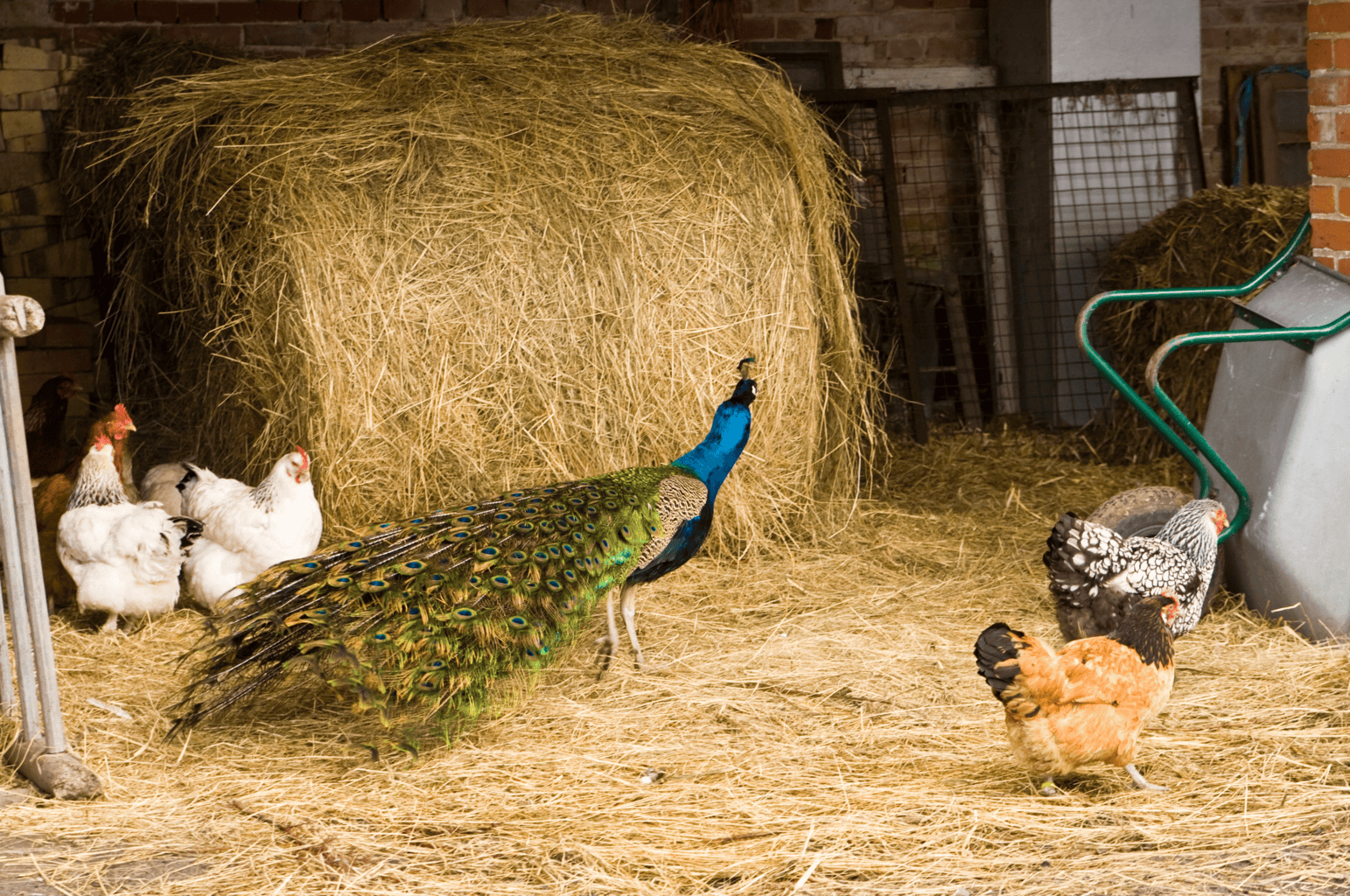
Let’s be completely honest here.. these birds are decoration that you’ll need to feed twice a day for a looong time.
Yes, we covered the fact that they are gorgeous, but that’s all they are really good for.
3. Emus and Ostriches
If you’re thinking about emus or ostriches, I hope I can gently talk you out of it with this one.
While these animals are cool and beautiful in their own way, ostriches are dangerous. A large one can injure a person and that can happen at any time. Emus are also dangerous, but not nearly as dangerous as ostriches. That said, they are still huge and fast, and very unpredictable.
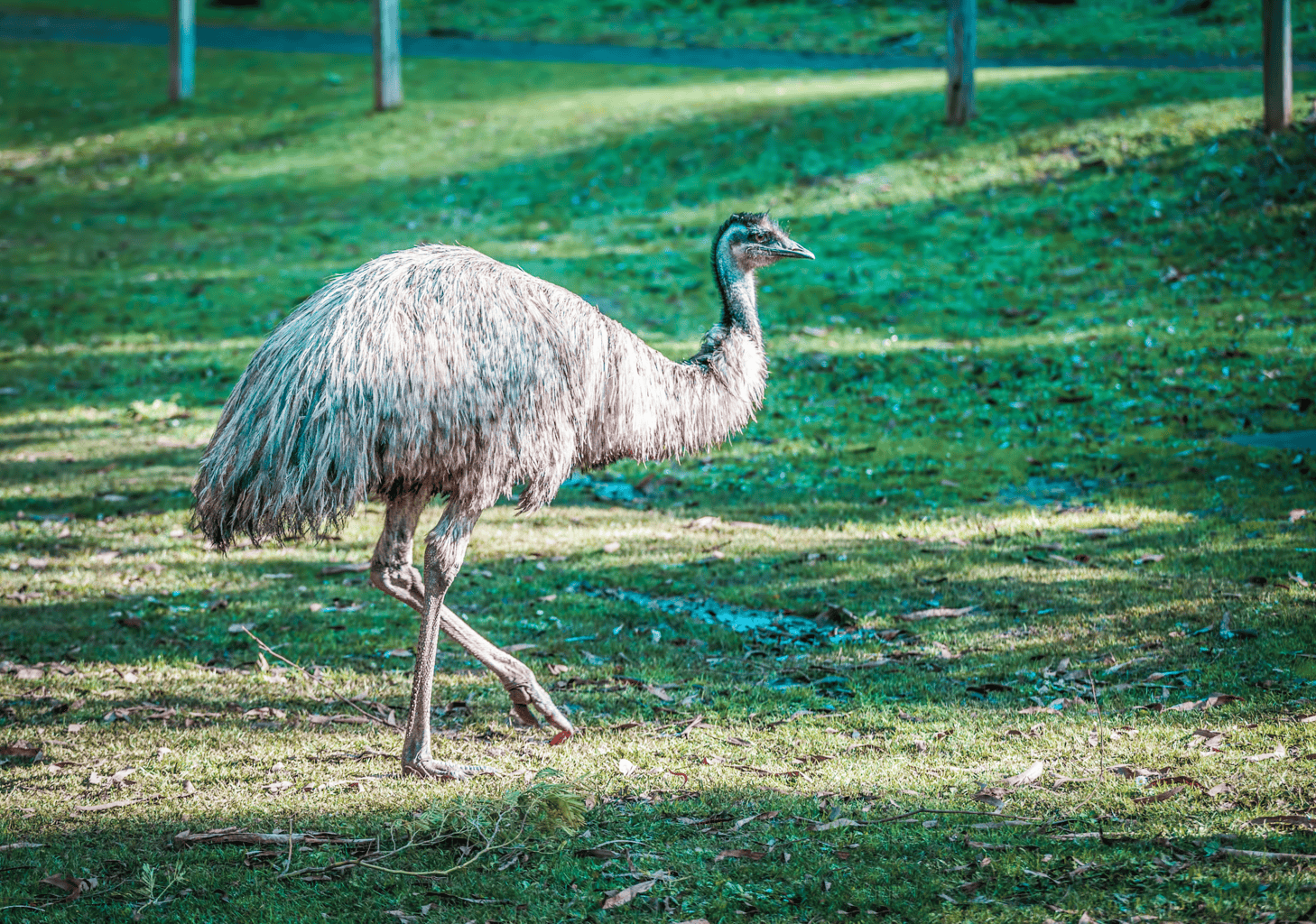
These animals will require very strong fencing, space, and veterinarians that know how to handle them.
If you’re thinking of owning emus or ostriches to sell meat and oil, just know that it’s hard to sell if you only own a few of them. So consider this a hobby, not a business venture.
4. Turkeys
Turkeys CAN be amazing animals for your homestead if you don’t already have chickens (which most people do). A big tom can produce 20-30 pounds of meat, which is incredible.
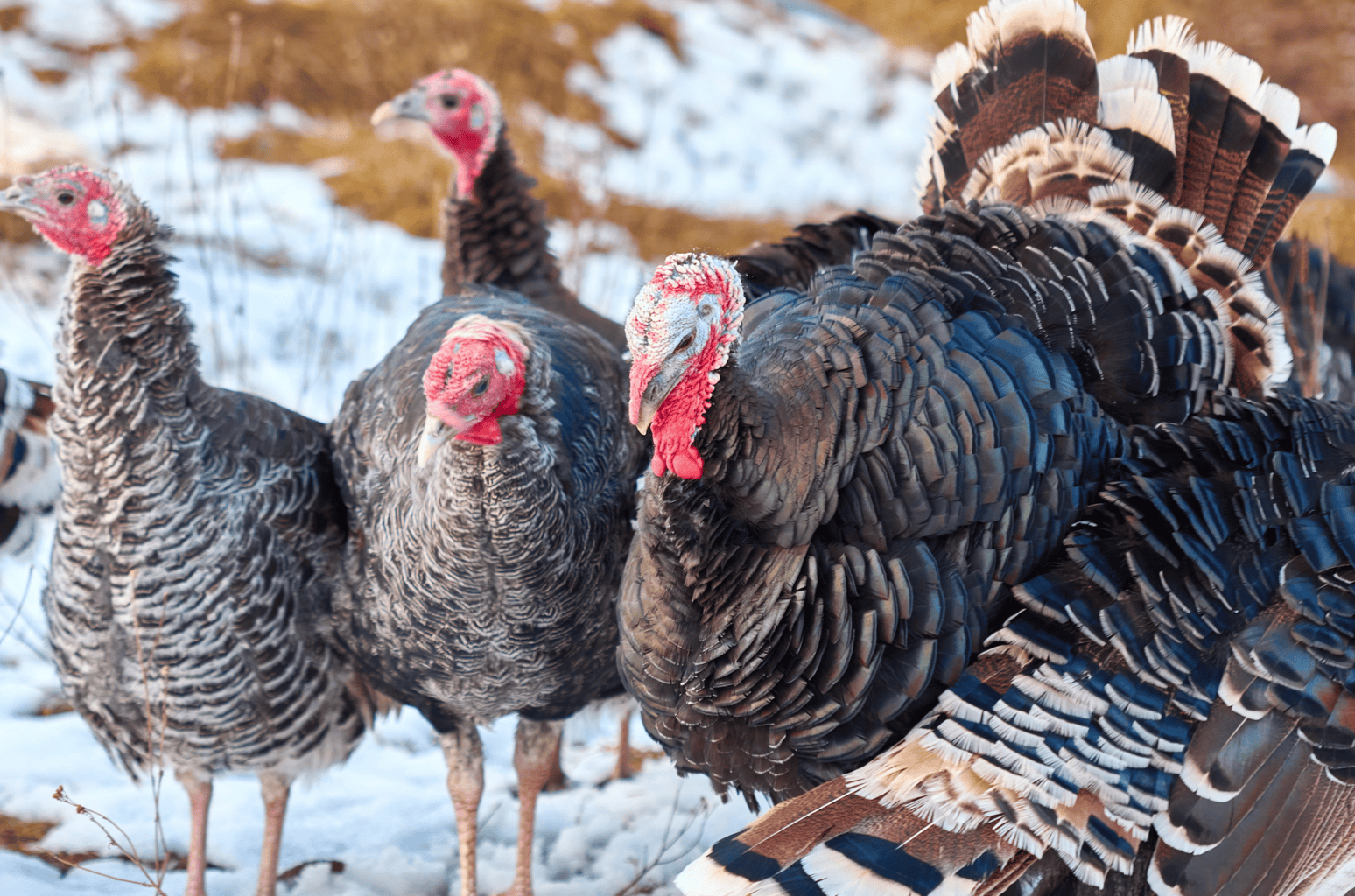
But chickens carry blackhead disease and they usually do without showing any symptoms. This will then spread to your turkeys and they can die from it.
There’s really no way to prevent or treat this once your turkeys have been infected, which is why general guidance has said that range turkeys and chickens should not be put together.
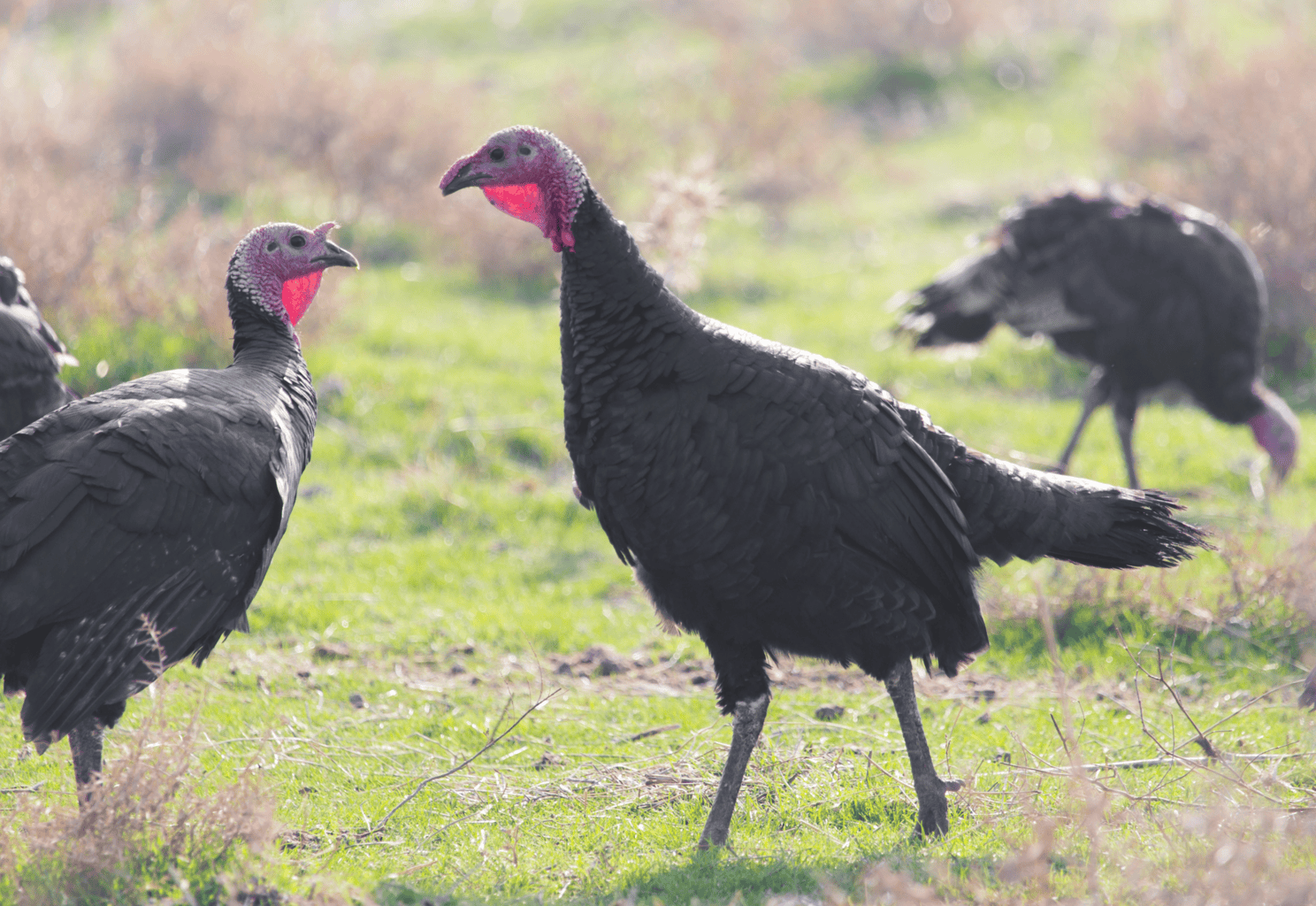
Note that if you can give your turkeys completely separate ground, you can certainly make it work. They are funny birds with enormous return per bird, but you just have to make sure you have covered your bases before getting both turkeys and chickens.
Important Tip: Turkey poults are very fragile. They require a higher protein starter, and you may have to dip their beaks in water to teach them to drink for the first few days. It’s going to require more of your time and attention.
5. Geese
Geese are actually genuinely useful animals for your homestead. They weed and graze on grass, and they are great for alerting of predators or intruders.
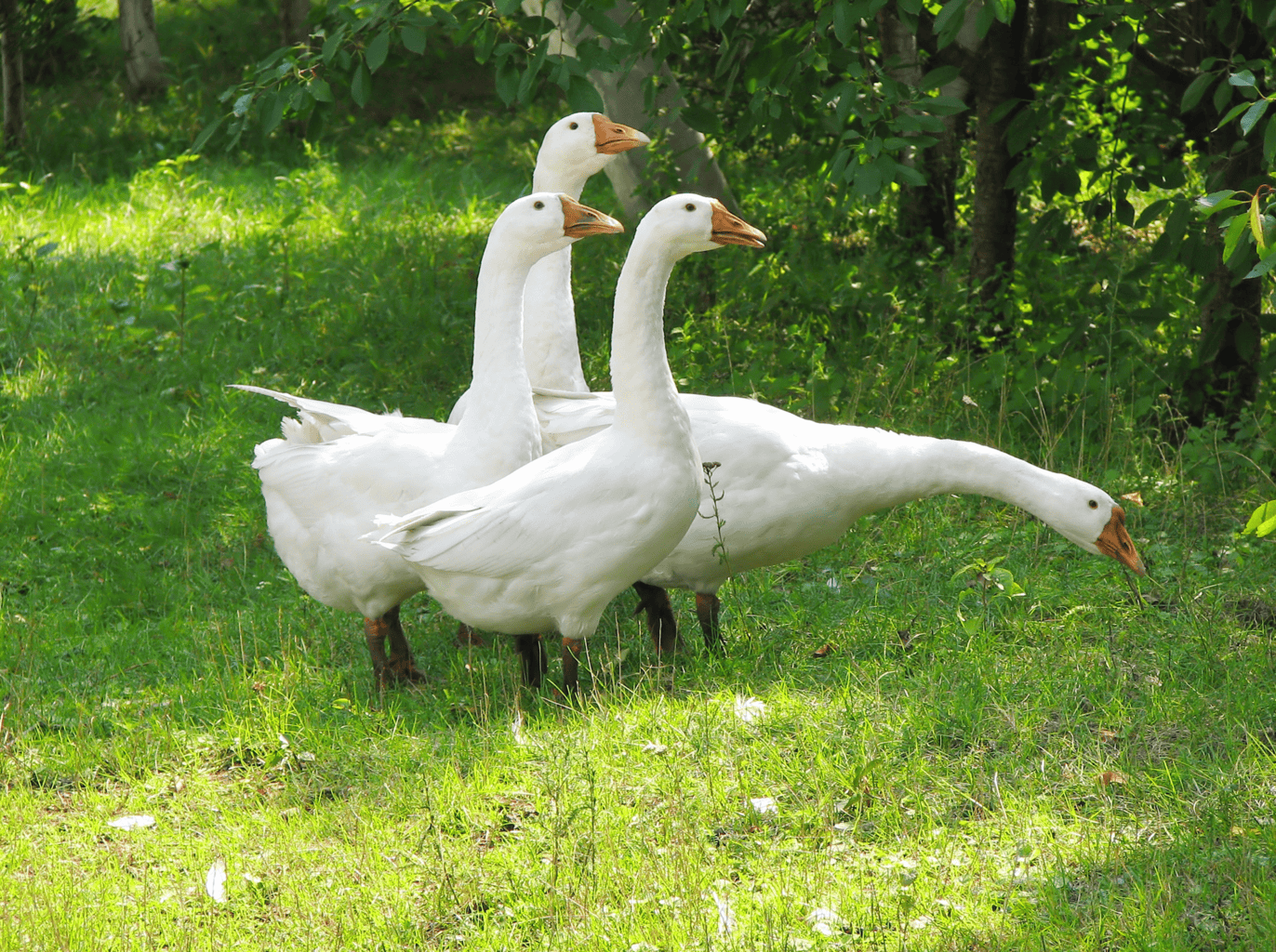
But a breeding gander is hard to control. If it sees your kids running around, or a walker passing by, or someone is there to deliver your hay.. your gander can leave bruises, and it’s just not fun.
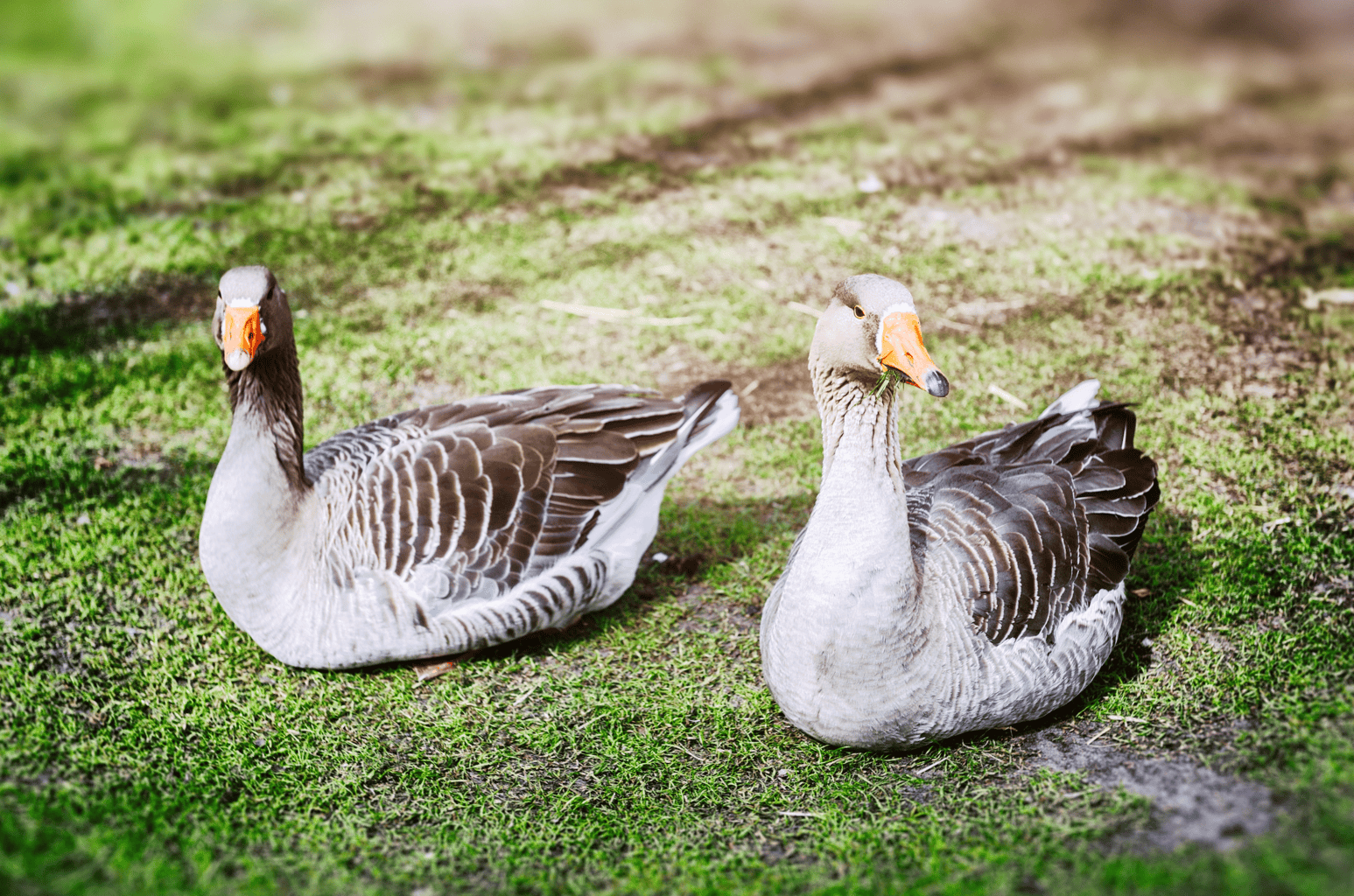
If you have a property that is adults-only, then geese can be a good animal, but if you have small kids or regular visitors, this can end poorly.
6. Miniature Horses and Mini Donkeys
Let’s start by highlighting the fact that every animal on your homestead should have a job. That doesn’t mean you can’t have pets, but that’s not what this article is about.
Now when considering a mini horse or mini donkey, we need to think about its job. Is its job to run off coyotes like a full-size donkey? Probably not.
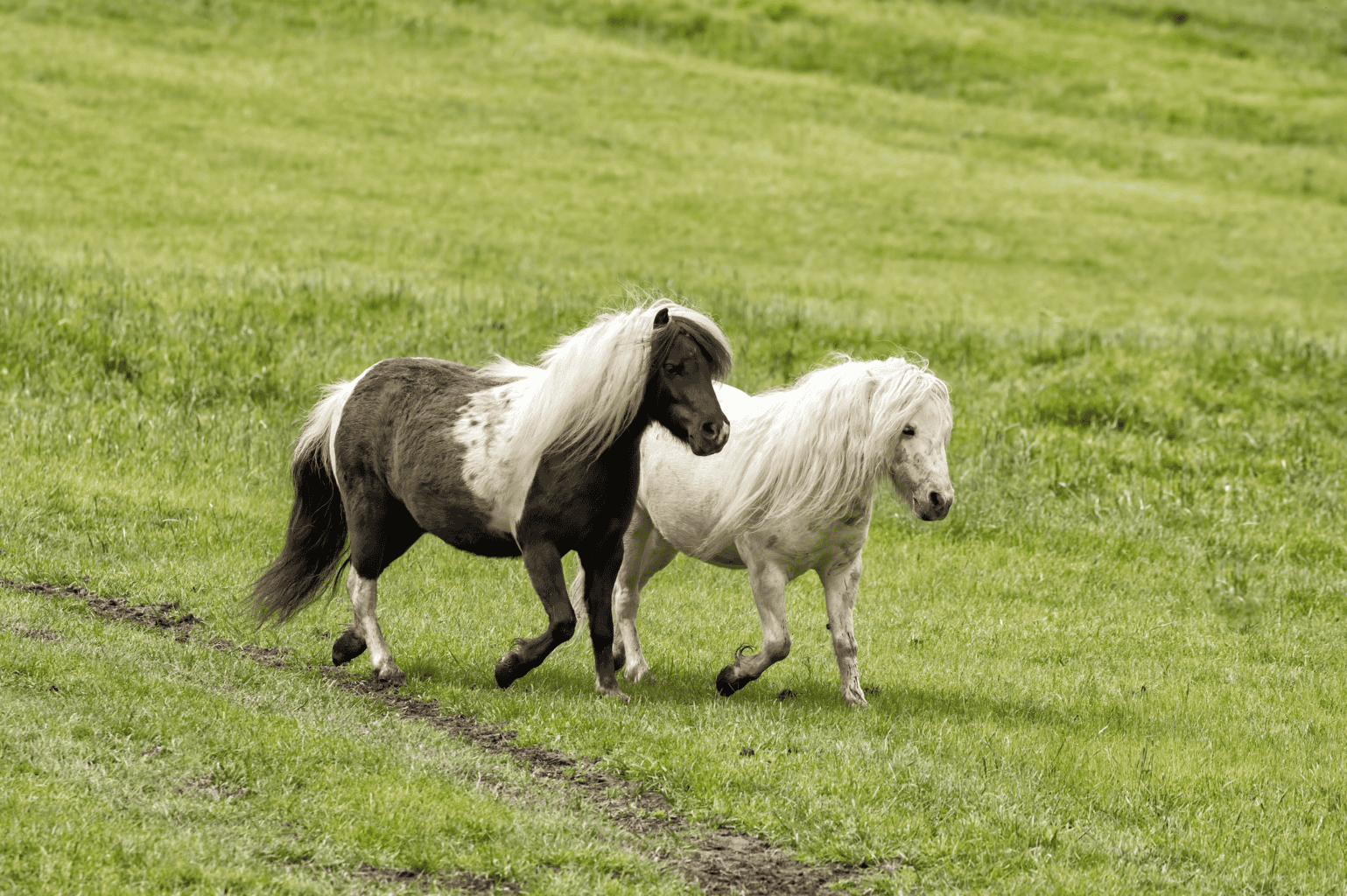
It’s too small to intimidate anything, so you really just have this animal that you have to keep feeding and caring for that doesn’t really have a job on your homestead.
The same thing goes for mini horses. You can’t ride them or pull anything. It’s cute, sure, but this list is not about keeping an animal because it’s cute. That’s a pet.
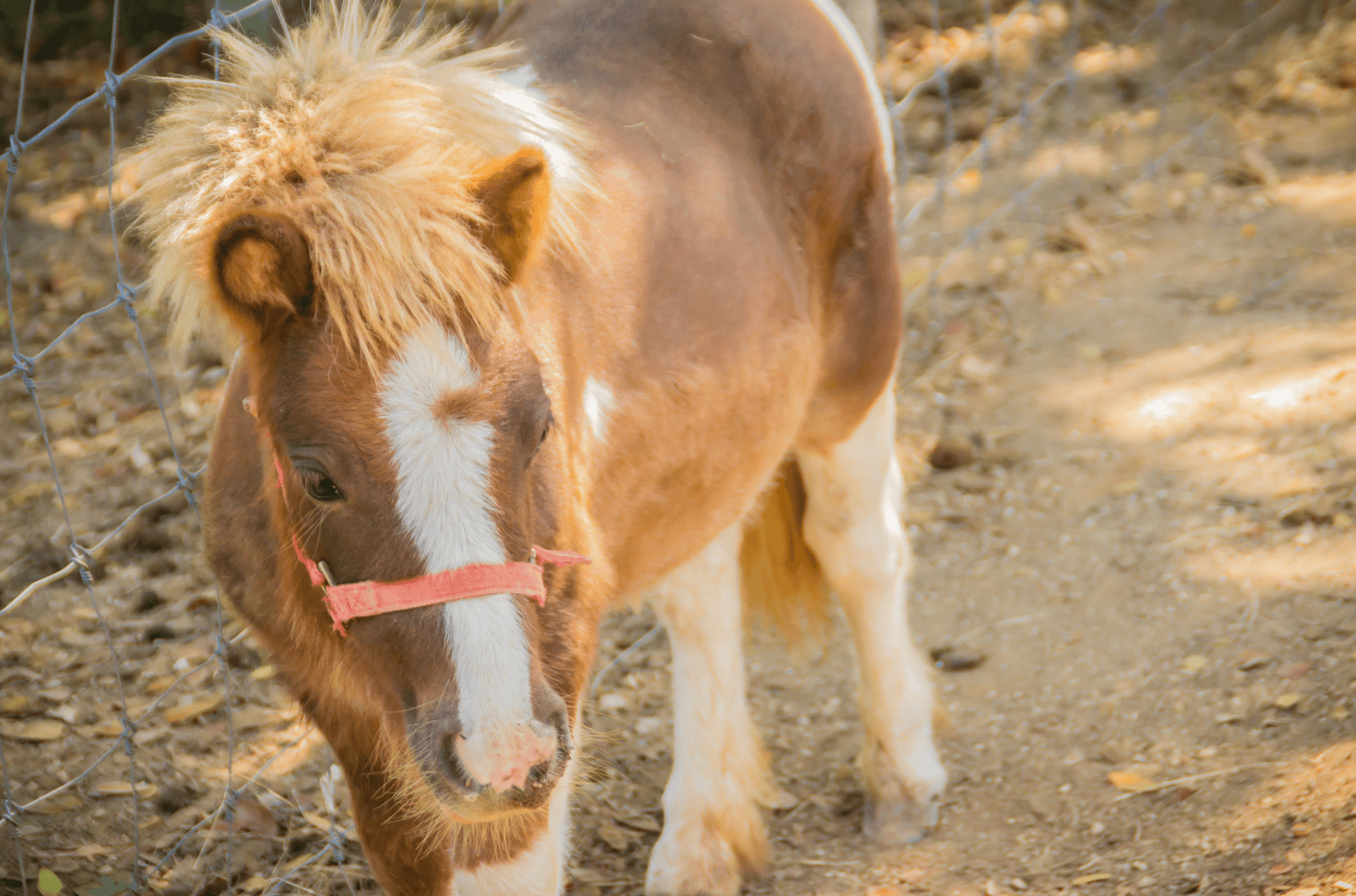
If you want a pet, then get a pet. But a pet is not livestock.
7. Alpacas and Llamas as an Income Plan
Llamas are actually good guardians for sheep, and alpacas are easy and pleasant to have around. But the thing I want to point out is that people will get these animal because they want to get into the fiber business.
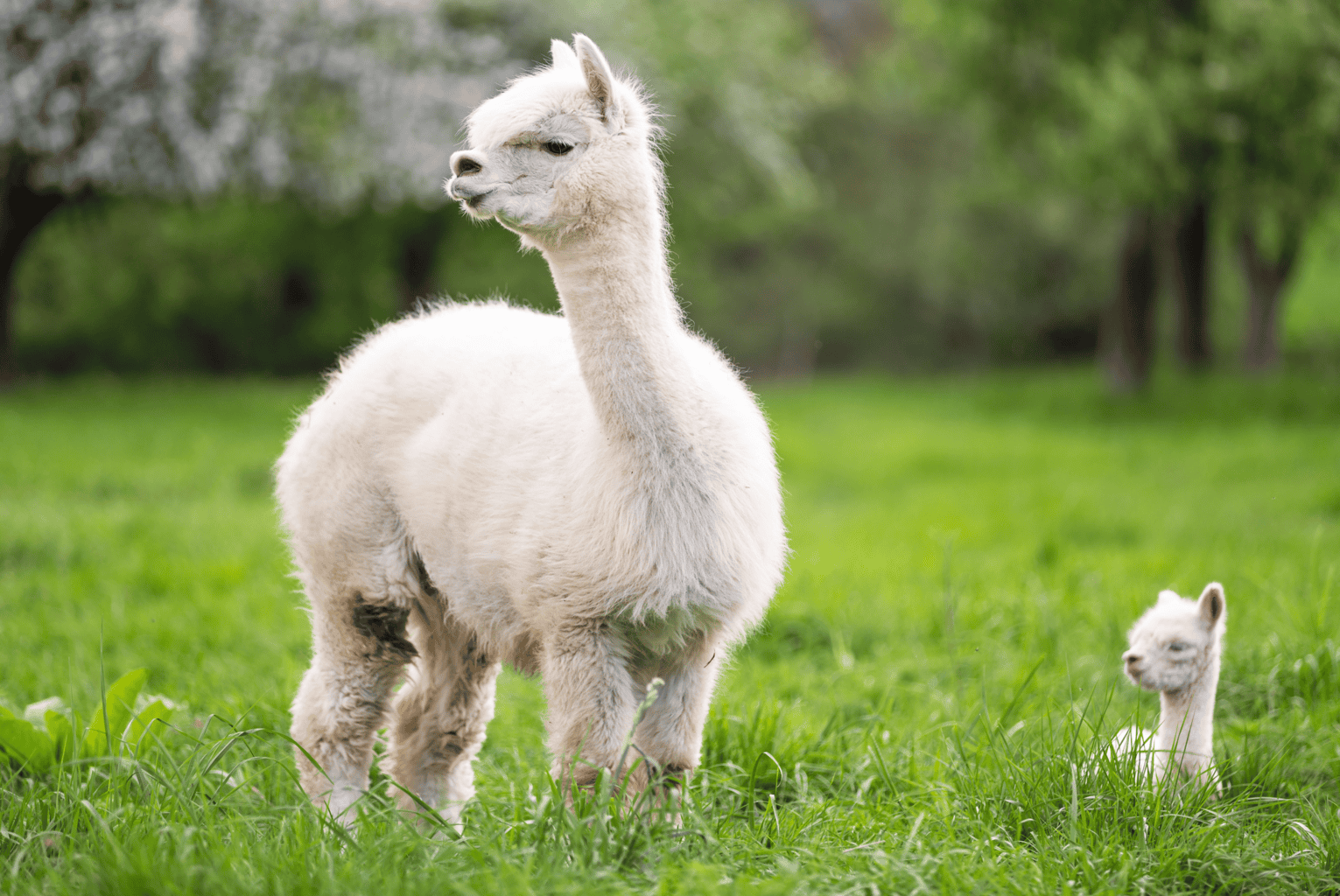
If you’re working with a few llamas or alpacas, the amount you’ll make from its fleece will almost never work out at small scale.
It can work if you skirt it, clean it, get it processed or process it yourself, and then market or sell yarn, etc. But remember that all the while you’re paying for shearing, hoof and teeth care, and parasite management.
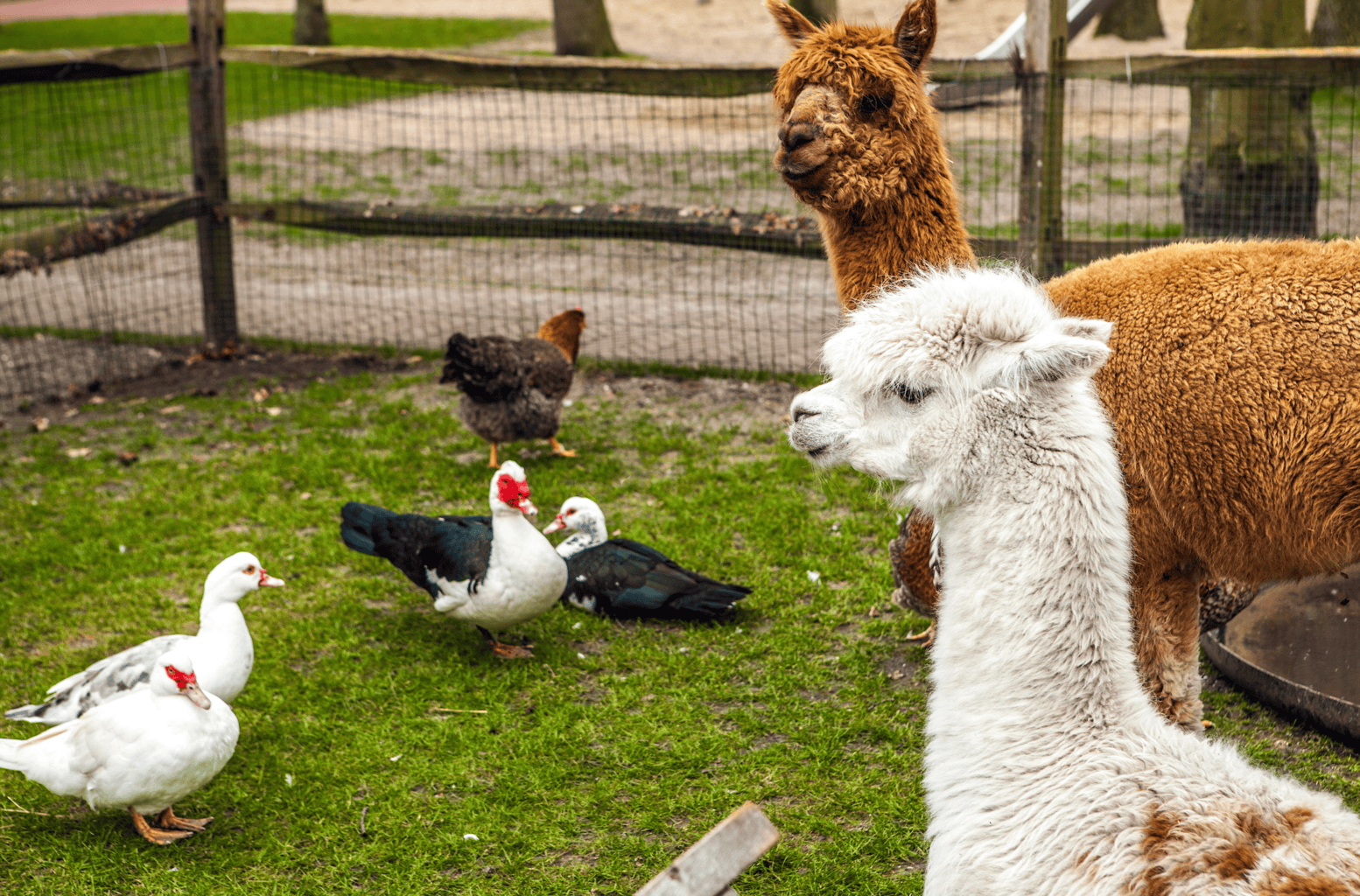
So if you do want to get some llamas or alpacas, don’t let me stop you. But I’d do it as pasture pets or guardians and not for the fleece business.
8. Teacup and Pot-Bellied Pigs
I want to be clear that teacup or pot-bellied pigs are not mini the way you think they might be.
A “mini” pig usually hits 100 to 200 pounds and they’ll root up your entire yard, your garden, and even your fencing. They are smart as all heck, and they’ll open latches and doors and get super destructive when they’re bored.
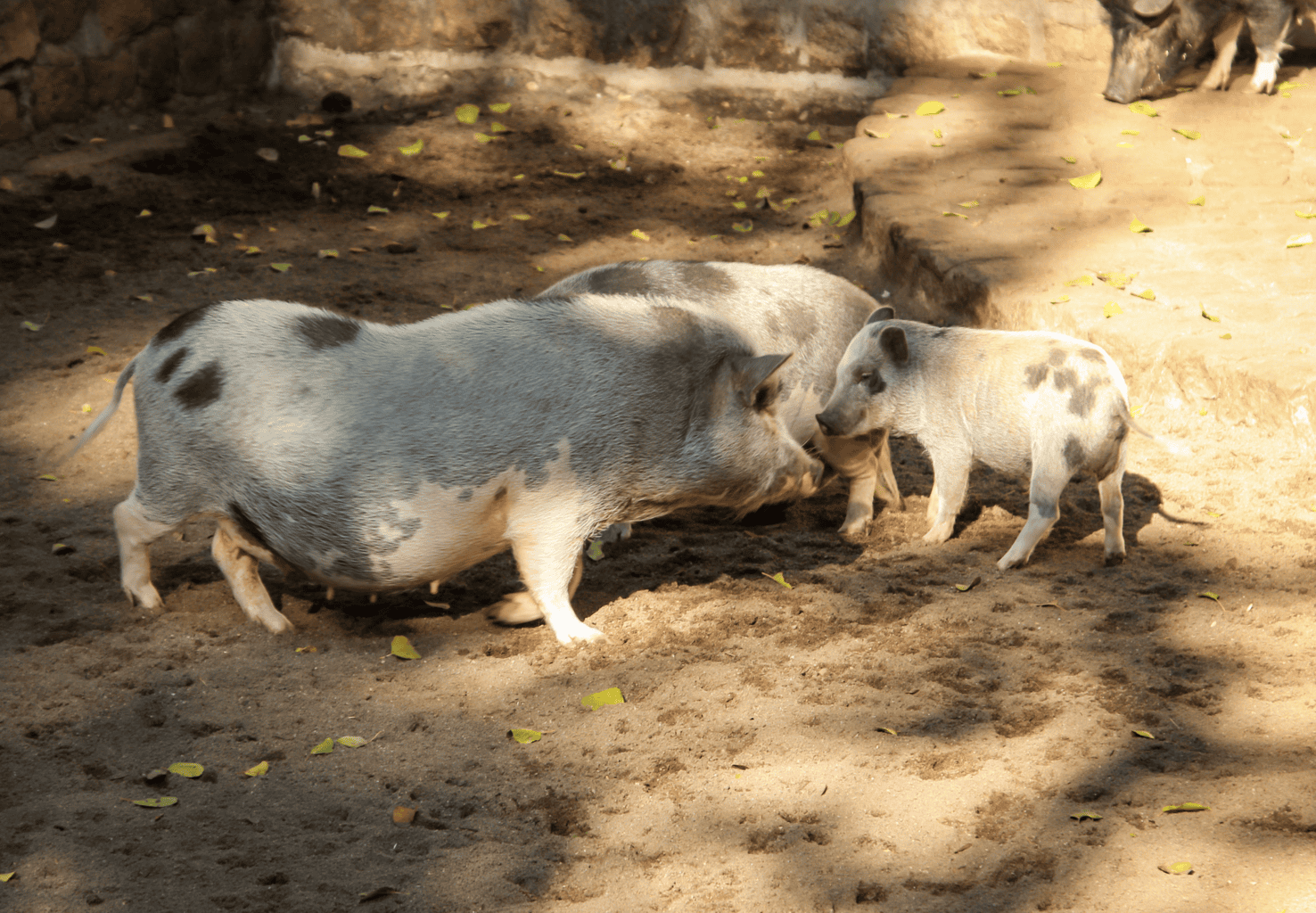
And what makes it really difficult to own these is that you’ll probably name them, and your kids will love it. So it makes it impossible to use it for what it’s really there for, which is to eat.
These are the most commonly rehomed livestock on this list because of this very reason.
If you want meat, get feeder pigs. But if you want a pet pig, know that you’re signing up for a 200-pound animal that’s extremely intelligent.
9. Horses
Look, I’m not trying to rag on horses because I love horses. So don’t come at me for that.
But if you want to get an extremely expensive animal that really doesn’t return anything back to you in terms of eating, drinking, or selling, then you should get a horse.
Remember, you’re going to be paying for food, farrier, vet checks, teeth floating, hay storage, tack, and fencing, if not more. They also need daily care and a trailer to go anywhere.
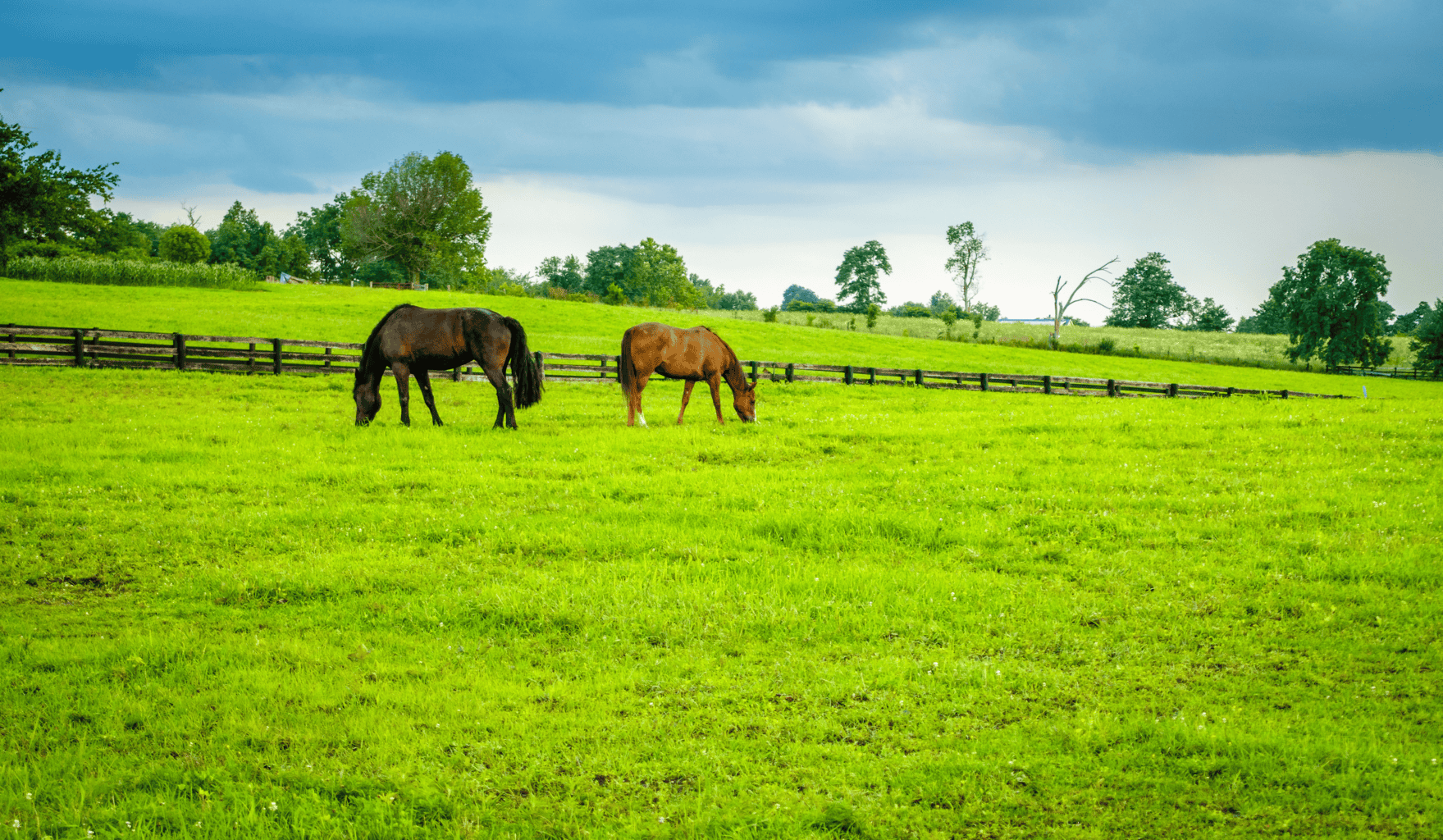
And they are dangerous. Yes, they are cute and “cuddly” but they are a thousand pound animal that spooks easily.
Now if you’re getting horses to actually do work for you, then that’s a different story. Amish and Mennonite families still use them regularly for all kinds of different tasks, and they are genuinely good at those jobs.
But most people who get horses for a homestead are buying one to ride. And that’s fine, but it’s a hobby, it’s not a job.
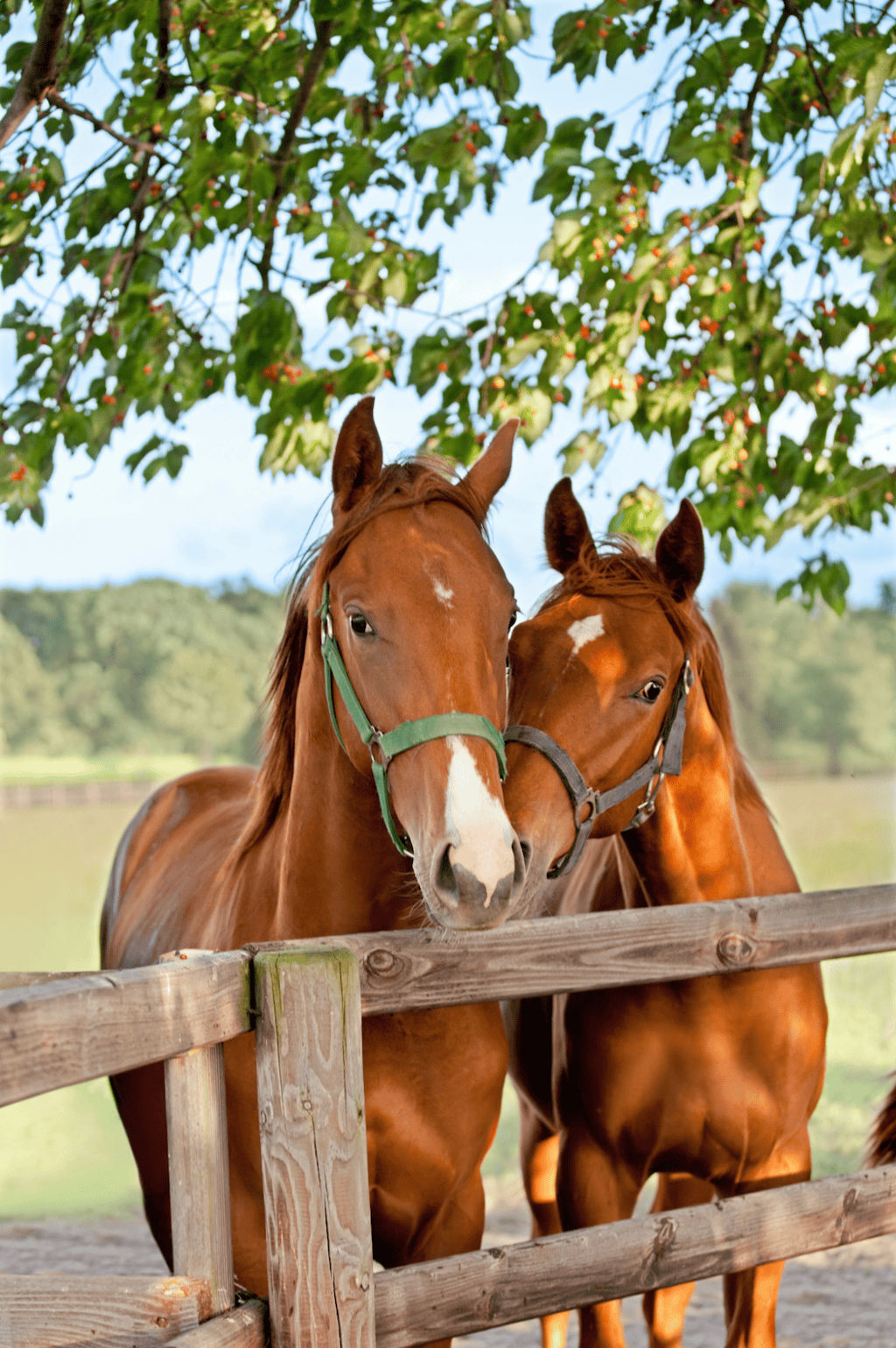
If you’ve never owned a horse, please don’t get one without understanding the work and effort it takes to own and care for one. I’ve seen so many horses sent to rescues because of this and it’s just unfair to the horses.
Where Should You Start?
If you’ve read this list and you’re still unsure of where to start, go with chickens. From there, consider meat rabbits or quail.
After that, you’ll be ready for more advanced or “difficult” animals. Remember that winters are hard, so don’t underestimate what can happen within a span of a few months.
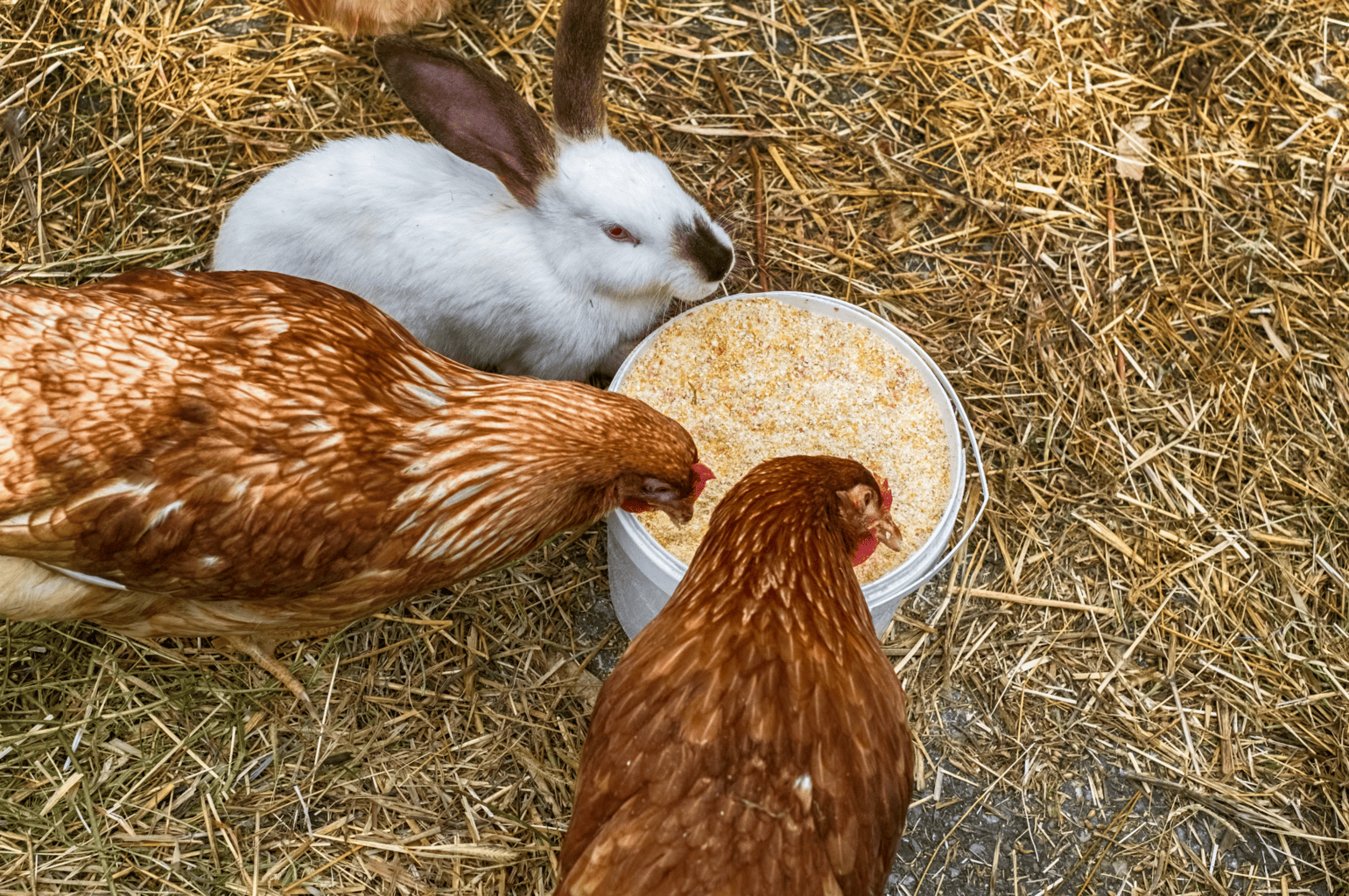
If you take anything from this post, make it that every animal you bring to your homestead needs a job. It also needs food, water, shelter, fencing, and your attention every day forever. That includes when you’re sick or busy or on vacation.
So start small, get good at it, and then take on more animals as you build your confidence and skills.

Erie is the owner and author of Everywhere Ontario. She’s lived and traveled around Ontario for over 30 years, visiting small towns and big cities from the shores of Lake Erie to the crisp northern air of Hearst along the Trans-Canada Highway. She is passionate about maximizing fun and supporting local tourist businesses and is always looking to provide the best recommendations to her fellow Ontario travelers. Read more about Erie here.