
If you’re ready to jump on the homestead bandwagon, this post is for you. Yes, it’s definitely worth it, but it’s not all it’s cracked up to be.
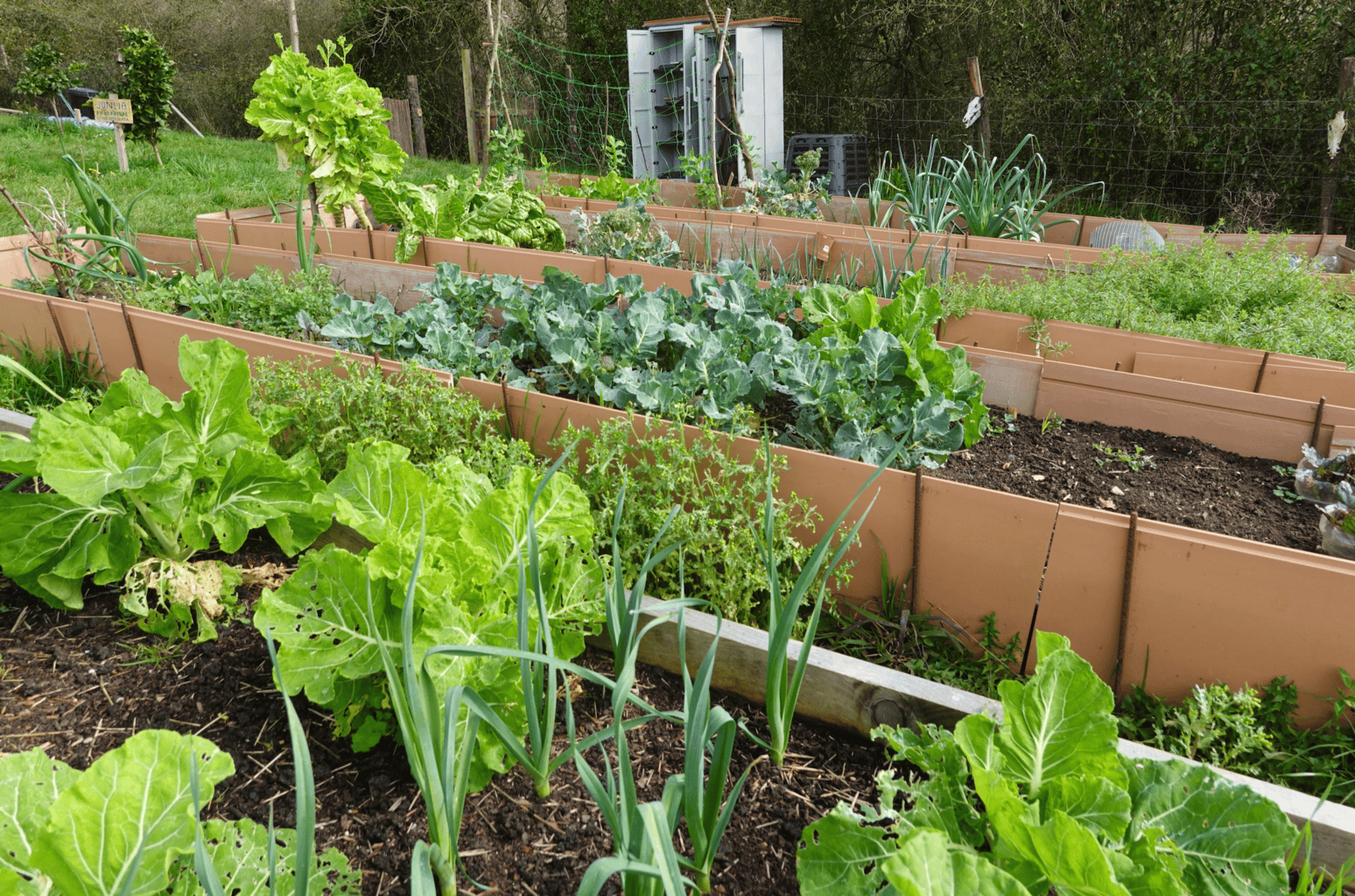
In 2026, influencers everywhere are convincing you that you need healthier food, lower grocery bills, and ALL the things related to homesteads, but they rarely talk about the trade offs. Yes, I agree that we can all eat healthier and be more self-sustaining, but that does not mean everyone and their mothers should jump right into hobby farms without understanding the commitment.
For most beginners, they will give up in the first five years. And I want this post to help you understand the things you need to know before getting started so that you aren’t one of the quitters. And hey, no shame to the quitters. It’s hard!
Some of these tips are practical (like water, bylaws, firewood), and some are more about mindset and money. But go through every tip here because they will save you time, cash, or a lot of frustration whether you’ve already got land or you’re still dreaming about it.
1. Know Your Why (and Write It Down)
Before you do anything with a homestead, ask yourself why you want to do it. The most common answers here are:
- Cleaner food
- Raising your own meat
- A slower life
- Saving money on groceries
None of these are wrong and you might have a completely different reason, but regardless, you need one.
The reason you want to have a “why” is because there will be times where you just want to quit. Raccoons will eat your corn the night before harvest, a hen will get sick for no obvious reason and you don’t know how to help it, and summers without rain are brutal.
Ultimately, nature doesn’t care about your Pinterest dream board. Things happen, and you need to be prepared to power through.
So write down your vision, your goals, everything. What do you want to grow, which animals do you want to have, what does a normal day look like for you, etc.
Then keep that note somewhere you’ll see it because on the hard days it will help you remember why you started in the first place.
Your goals will also keep you from getting distracted. Homesteading can be weirdly addictive and it’s really easy to end up with a bunch of animals (and even plants) you didn’t intend on having to start.
2. You Can Start Before You Own Land
I know a lot of people put off the homestead dream until they own land, but you really don’t have to. You can start homesteading wherever you are right now.
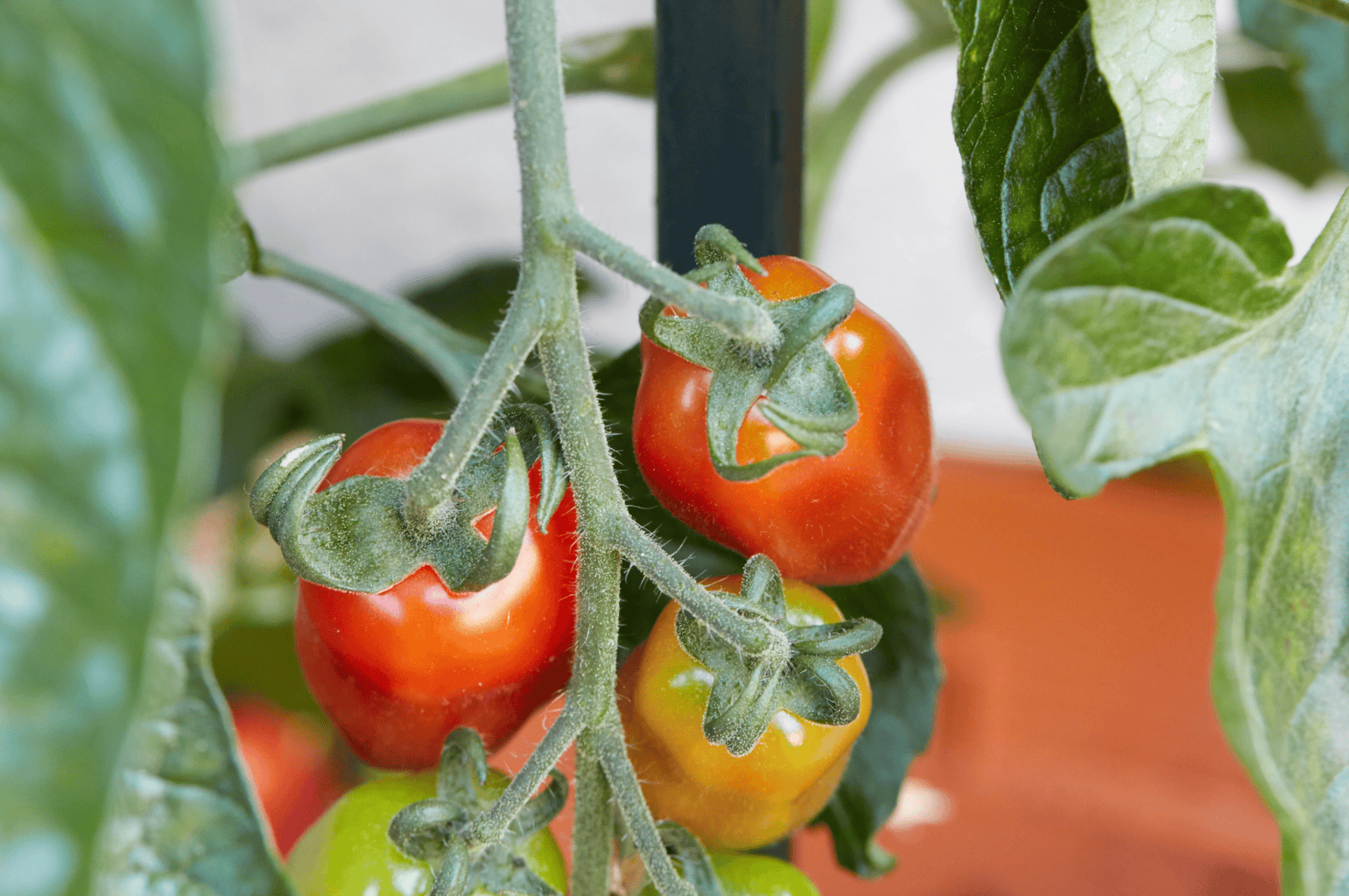
For example, if you live in an apartment, you can start by growing tomatoes, basil, and rosemary on your balcony. It’s really simple, jus grab some fresh basil or rosemary from the grocery store, trim the ends, and stick them in a glass of water on a windowsill. They’ll grow roots almost immediately.
If you don’t have a balcony, check if your city has community garden plots (a lot of them surprisingly do), or ask a friend or family member if you can use some of their yard to grow some plants.
And honestly, even houseplants count since caring for one plant teaches you a lot about caring for the next plant.
It doesn’t have to end at gardening because another awesome part of homesteading is creating your own food. One of the things I do the most is bake my own bread. Whether you’re into sourdough or any other type of bread, baking is a homesteading skill you can learn just about anywhere.
And then when you do get land, you’ll already have so many of the skills you need to grow and expand.
3. Learn to Cook From Scratch
When your food comes out of your garden, it obviously won’t come with a seasoning packet or instructions on how to use it in your meals.
My recommendation is to start shifting away from boxed mixes and anything with a long ingredient list. Instead, shop the outer aisles at your local grocery store or supermarket and learn a handful of simple meals you can make from basic ingredients. You should also, in general, get comfortable with your knife.
Then, take it further by eating seasonally, which basically means you’re visiting your local farmers market or buying straight from nearby farms and utilizing what grows during different times of year.
For us, the winter means a lot of potatoes, onions, squash, carrots, and beets. That might feel limiting until you learn a few good recipes for them and then you can make anything taste delicious.
Pro Tip: Any time you go to cook, make double what you intended to make and freeze the other half. When harvest season comes and everything is ripe at the same time, you’ll be so glad you have dinners in the freezer. It just makes life a heck of a lot easier.
4. Sort Out Your Money
This is the most awkward tip on the list, but it’s the most necessary because people don’t realize how much money it takes (initially) to start homesteading.
Homesteading takes a LOT of hours; it’s basically a part-time job. And that means less time for other money-making things like picking up extra shifts or having a side gig.
Therefore, I recommend paying down all your debt before you start. This will take a huge amount of stress off of you in the long run.
Also, when you’re ready for land, here are some things to consider rather than just a standard mortgage:
- Pay cash if you can: Some sellers will lower the price for an all cash deal.
- Ask about a vendor take-back mortgage: This is where the seller finances part of the purchase themselves, and it can help if the bank says no.
- Look into agricultural lenders.
- Lease before you buy: Plenty of successful small farmers start on leased land first and then buy it in full later.
Another thing to consider.. a HUGE wave of farmers are about to retire.
I’ll use Canada as an example here, but this is also true in the USA.. A 2023 RBC report estimated that 40% of Canadian farm operators will retire by 2033, and about two thirds of them don’t have a plan for what to do with their farms after they retire.
So get out there and talk to farmers in your area. Many of them could be open to a deal with you if you sort out a good plan.
5. Check the Bylaws Before You Buy Anything
Do not skip this one even though it sounds boring. It is boring, but it’s really important that you pay attention..
Before you buy land (or chickens or a shed or anything), call your township and ask them about zoning, whether backyard chickens are allowed and how many, setbacks from property lines, and what you’re allowed to build on your property. A lot of towns and cities don’t allow chickens at all and even rural zoning comes with limits (as we quickly found out ourselves).
There are also a few other things I would ask them about including:
- Living on your land while you build: Many municipalities limit how long you can live in an RV or trailer on a property. Sound silly because it is, but it’s a legit law in many places.
- Outhouses: There are rules about construction and distance from wells, water, and property lines; some areas also want a permit.
- Selling from your property: If you ever want a farm stand, find out what your zoning allows.
Above all, stay kind to the people at the township office. Be upfront with them and ask before you build. It goes a long way. Not to mention, fighting a stop-work order is way more expensive than a phone call.
6. Water Is The Most Important
Ask any homesteader who has been at it long enough what matters most and you’ll usually hear the same thing over and over and over: water, shelter, food. Water being the absolute most important because of course, you need it for drinking, cooking, dishes, animals, and the garden every single day.
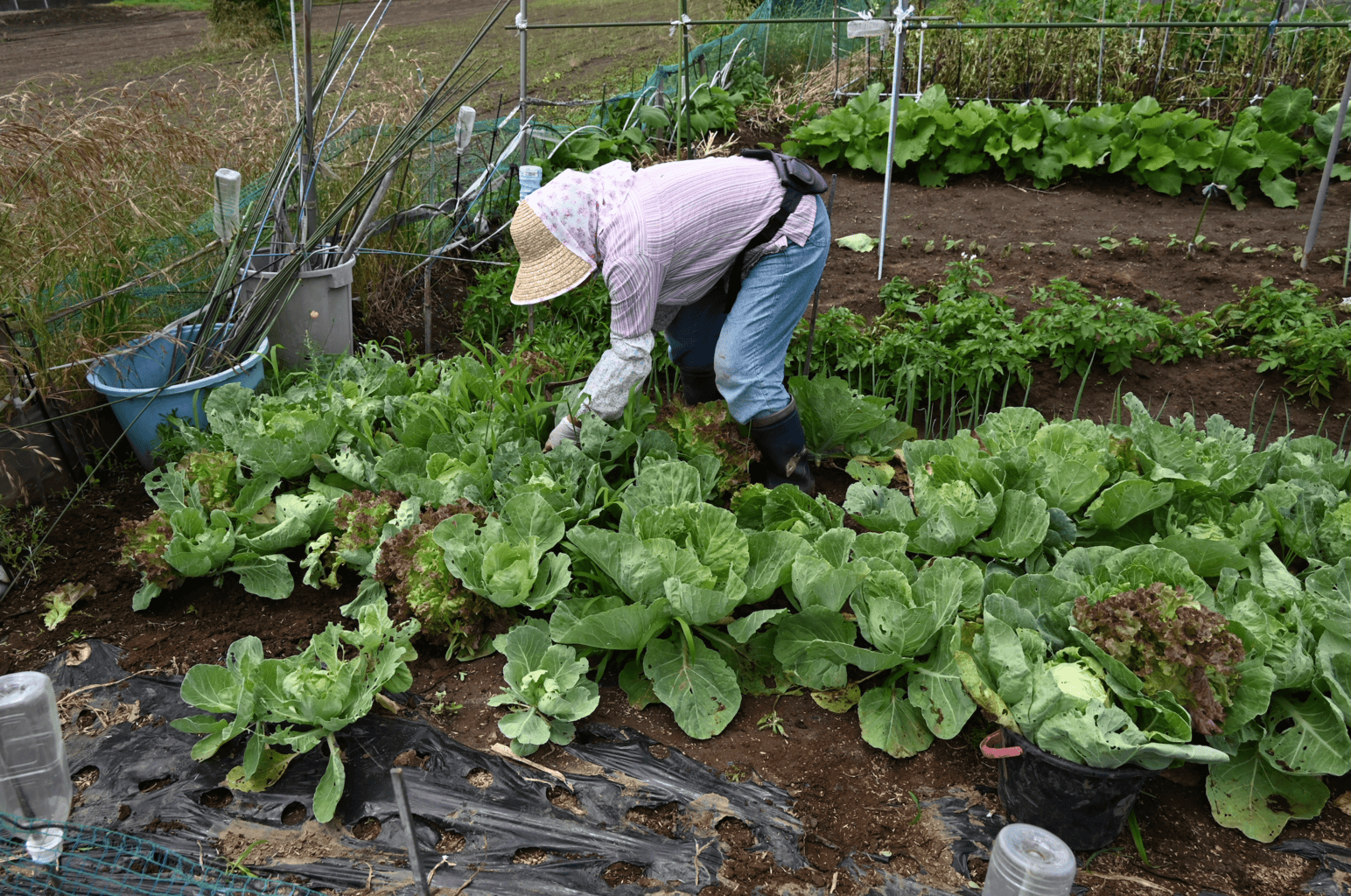
A good well is the gold standard, but as I’m sure you know, it’s not cheap. Drilling a new well commonly runs somewhere around $10,000 to $20,000 or more depending on how deep they have to go and where you live.
That said, if a good well is not in your budget yet, here are some other things to consider:
- Collect rainwater: Rainwater is great for animals, your garden, and washing up. Filter and treat it properly before you drink it, of course. Food-grade barrels are often cheap (or free) on Facebook Marketplace. But also, make sure you check your local laws before collecting rainwater. Believe it or not, it is illegal in some places.
- Haul: Plenty of homesteaders fill jugs in town for drinking water.
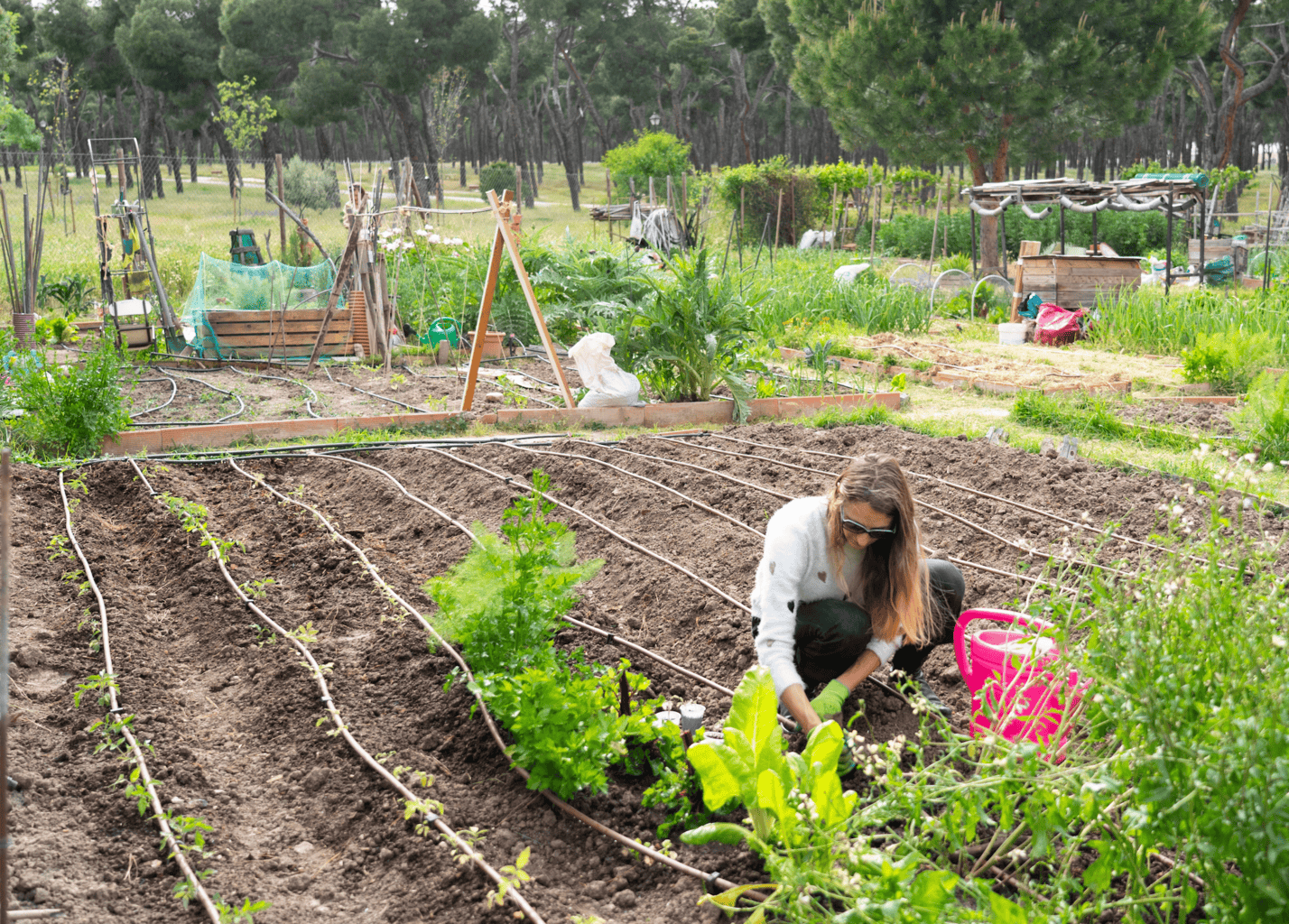
Quick Tip: Make sure you plan for winter. You’ll realize quickly that barrels and hoses freeze, and animals still need fresh water at -25.
7. Have a Plan for Shelter and a Bathroom
For shelter, a lot of people start by living in a camper or trailer, or even a nice tent (they have some with heat these days) while they build. It’s cheap and it gets you on the land, but just double-check the rules on how long you can stay that way (see tip #5).
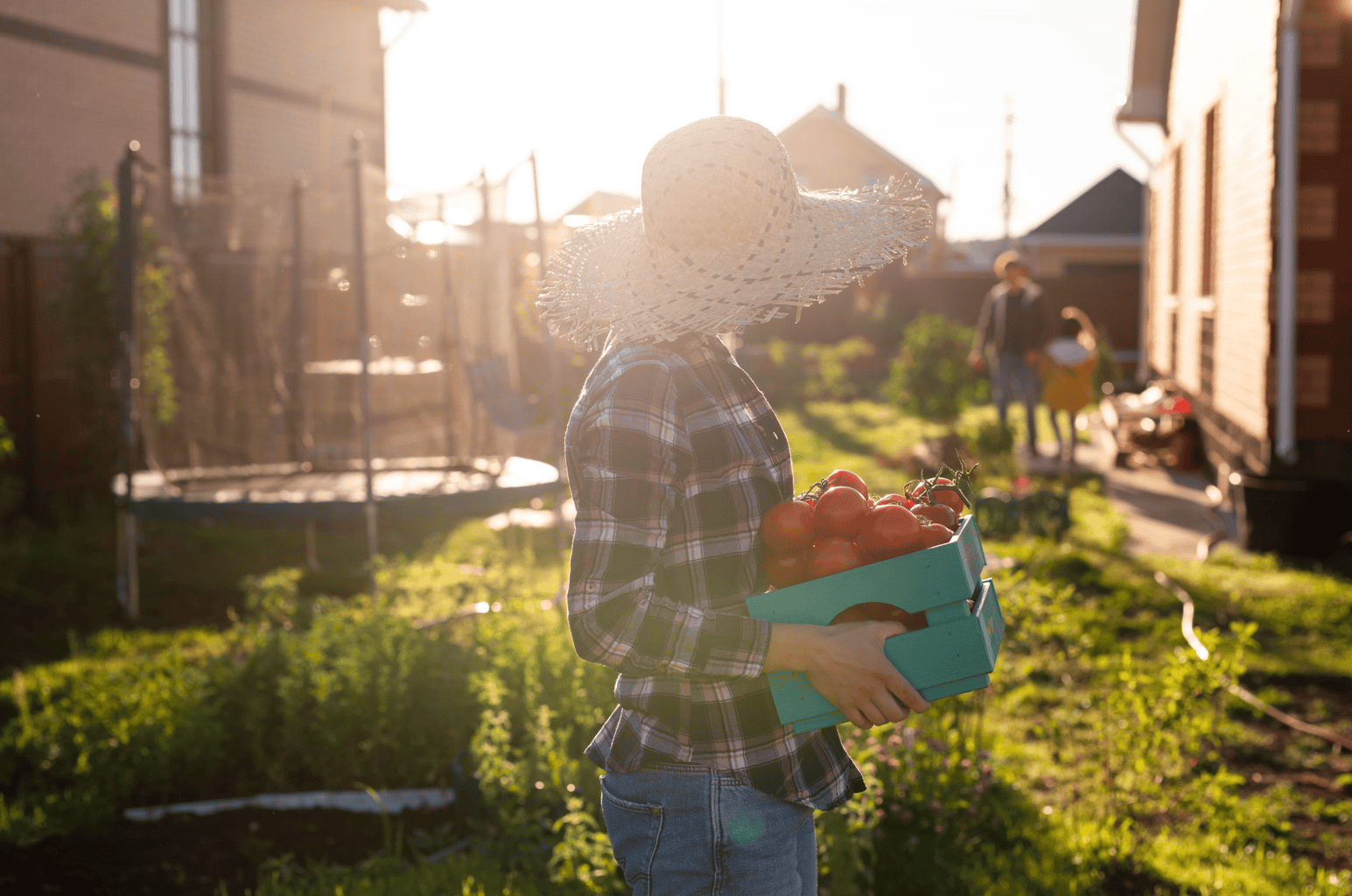
And you’d be surprised by how many people forget about a bathroom. There are a few budget options that I’ll list below:
- An outhouse: This is the simple solution and you won’t have to worry about pumps or clogging. A trick that people who live in cold areas like to use is a foam insulation seat. This will keep your bum warm in the winter months.
- Bucket toilet: This is much less glamorous (although I’d say that outhouses in general aren’t usually categorized as luxury lol) but a 5-gallon pail covered with sawdust or peat moss can do the trick. It doesn’t smell as bad as you’d think as long as you keep up with it.
- A composting toilet. Pricier, but much more comfortable for the long haul.
But whatever you decide on, make sure to check the rules from wells and water before you do it.
8. Plan Your Firewood
If you plan to heat with wood as many homesteaders do, you have to know that freshly cut wood doesn’t burn well. It needs to dry out first and that takes usually 6 months to a year depending on the wood and you stack it.
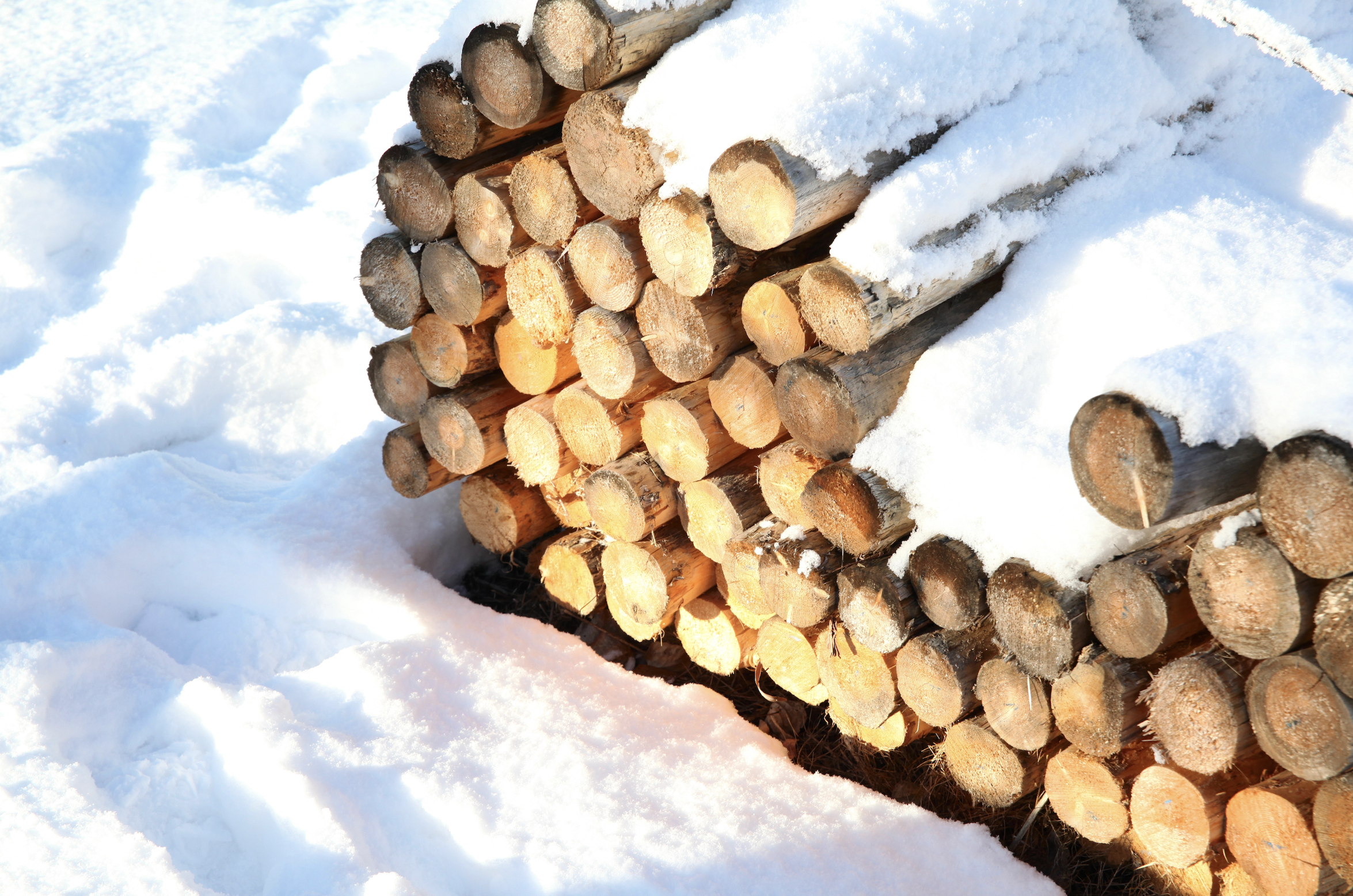
That means the wood you are going to burn this winter should be ready from spring. Basically, you need to get ahead on it as early as you possibly can.
Just a heads up, gathering firewood is way more work than people think. We’re talking about cutting, bucking, splitting, stacking, hauling it in.. it’s A LOT. But once you have a full woodshed and you’re prepared for the winter to come, it feels really, really good.
9. Start with Chickens
Among homesteaders, we have a running joke that chickens are the “gateway” animal to other animals. And it’s actually pretty true. They’re usually the easiest way to start raising animals without a huge upfront cost or a ton of every day work.
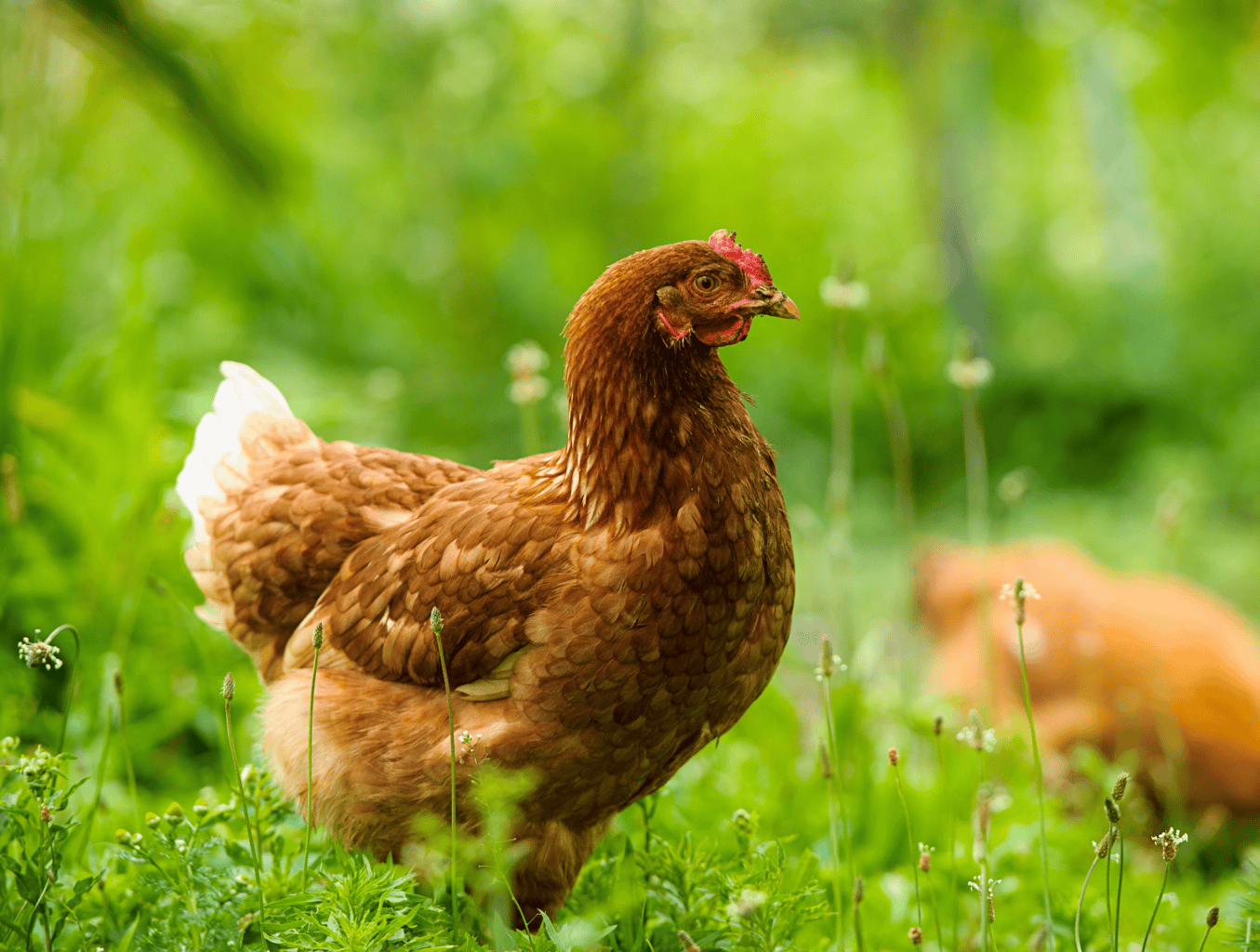
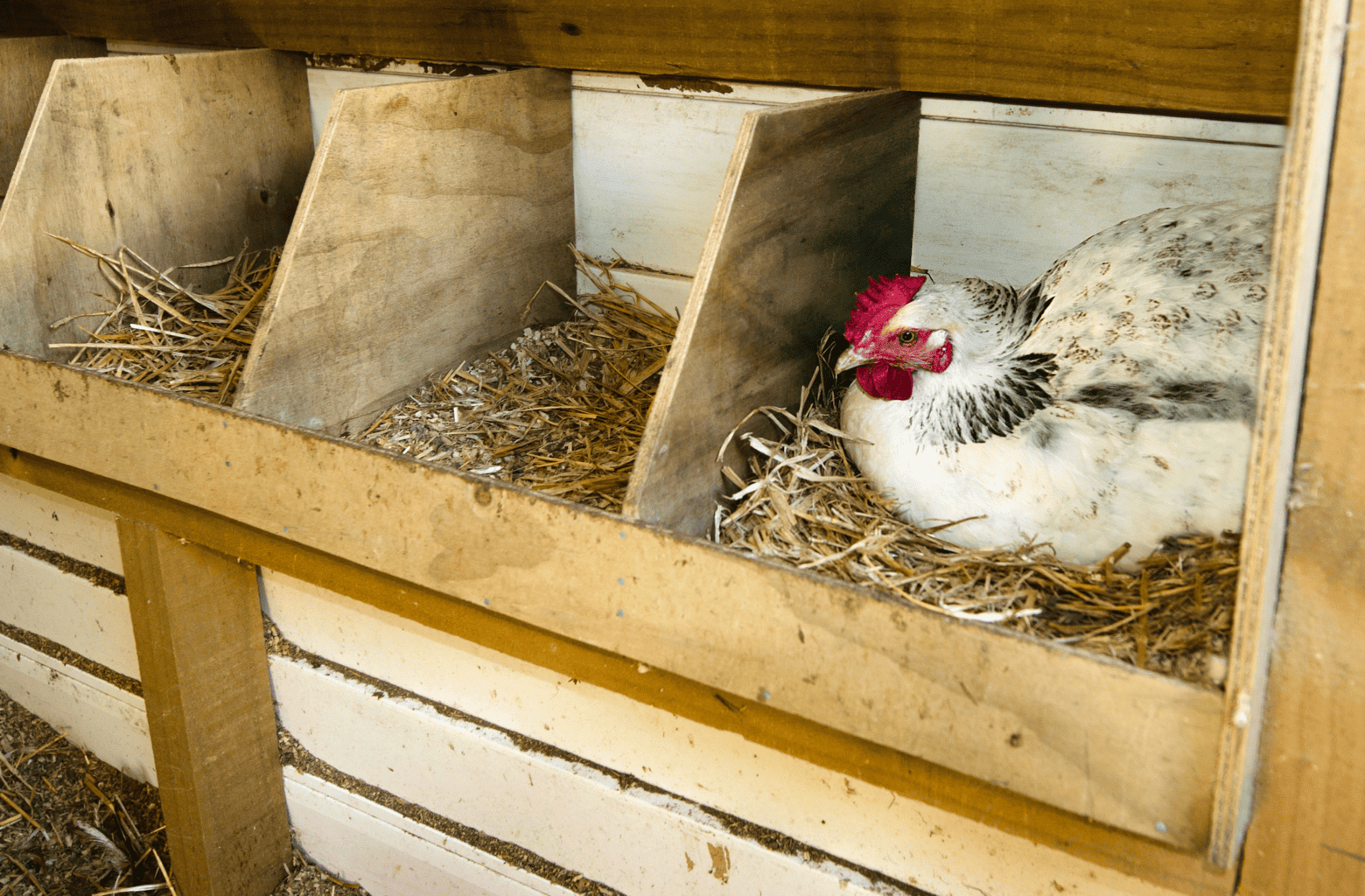
They also give you eggs and/or meat. You also don’t need much room for them; a common rule of thumb is about 4 square feet per standard sized hen inside the coop, plus about 10 square feet per bird in the run.
Personally, I’d always give them a bit more room if you can because happy hens are healthier.
A few things to know though:
- Consider predators
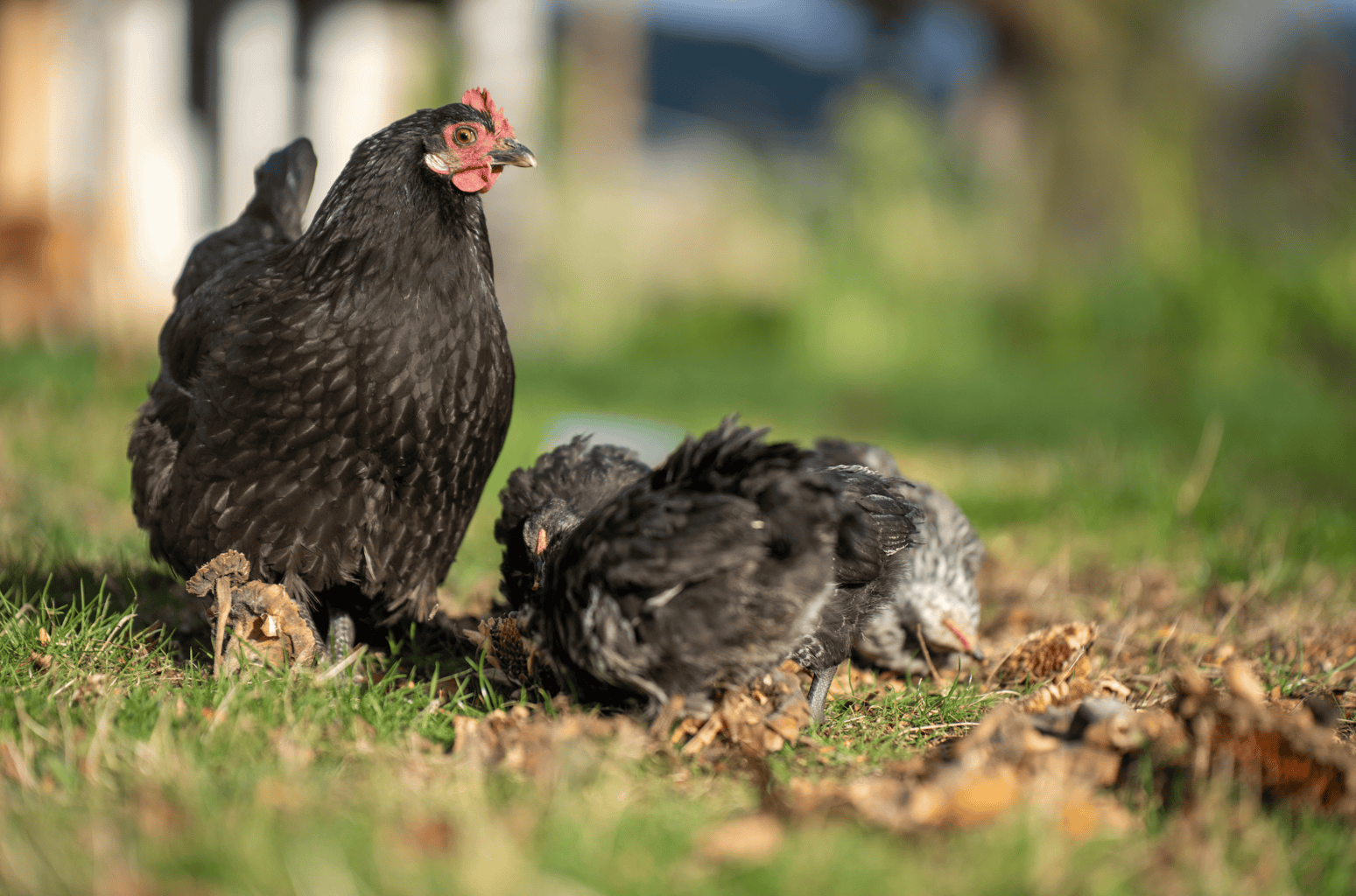
Hawks, foxes, raccoons, and coyotes will all come around as soon as you get chickens. Use hardware cloth (not chicken wire) and lock them up at night. We have an automatic coop door that opens and closes and we think it’s worth every penny.
- Decide ahead of time what happens when your hens stop producing eggs.
This was something my partner and I did prepare for, but you should know before you get attached. Once hens are older, they stop laying and you’ll need to decide if they are in the stock pot or if you keep them around to keep order among the flock.
- Know your numbers.
In certain areas, you can keep up to 99 laying hens without buying egg quota. Obviously most beginners won’t come close to that, but it’s good to know ahead of time because homesteading can get addicting.
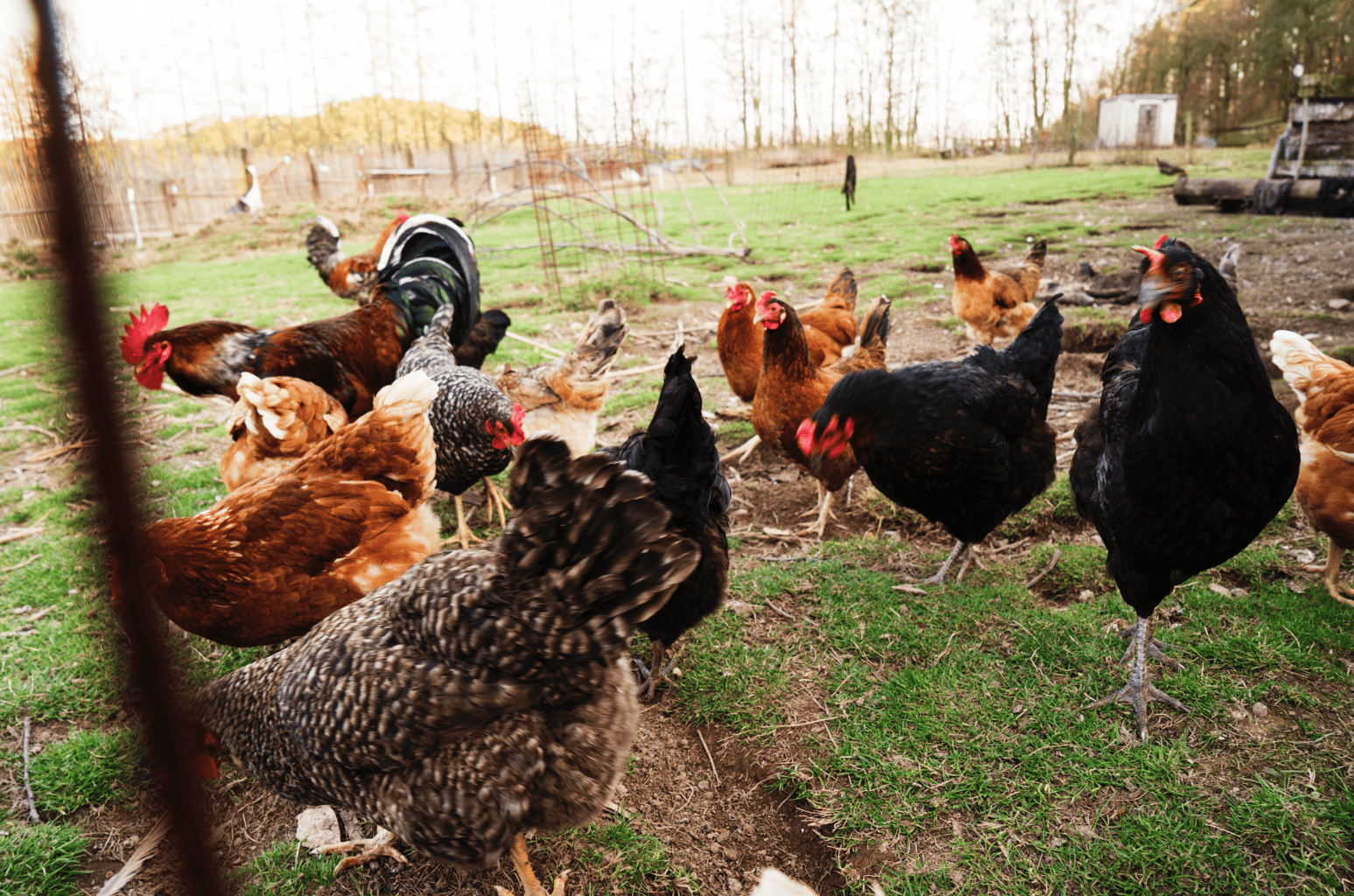
Note: If you’re not allowed to have chickens where you live, some people keep quail instead. Of course, check your bylaws first though, since some towns count all poultry.
10. Start Your Garden Smaller Than You Think
This was my kryptonite when I first started because I imagined this amazing massive garden that could replace all of our grocery bills. HA! I spend July buried in weeds because I as NOT prepared.
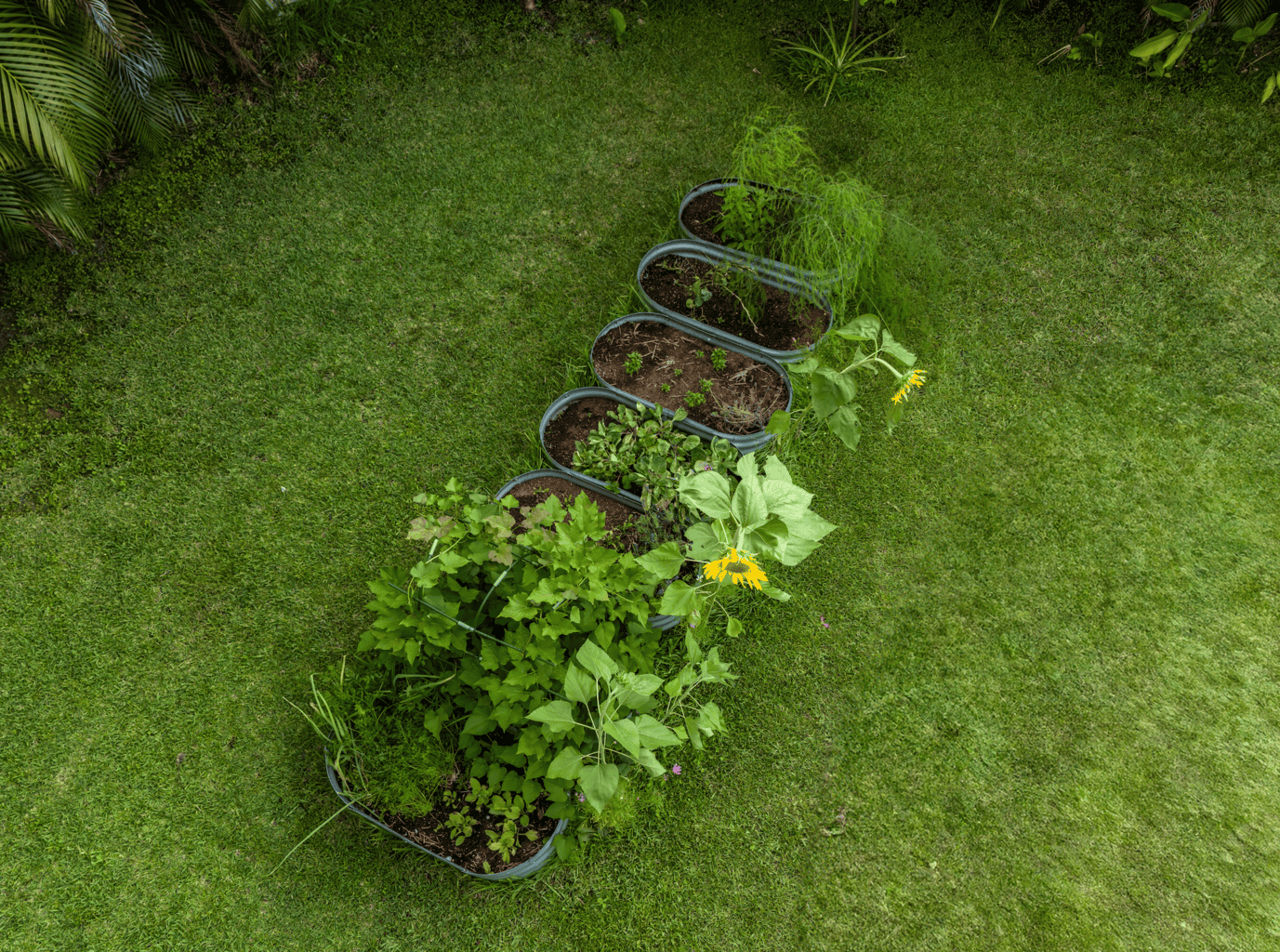
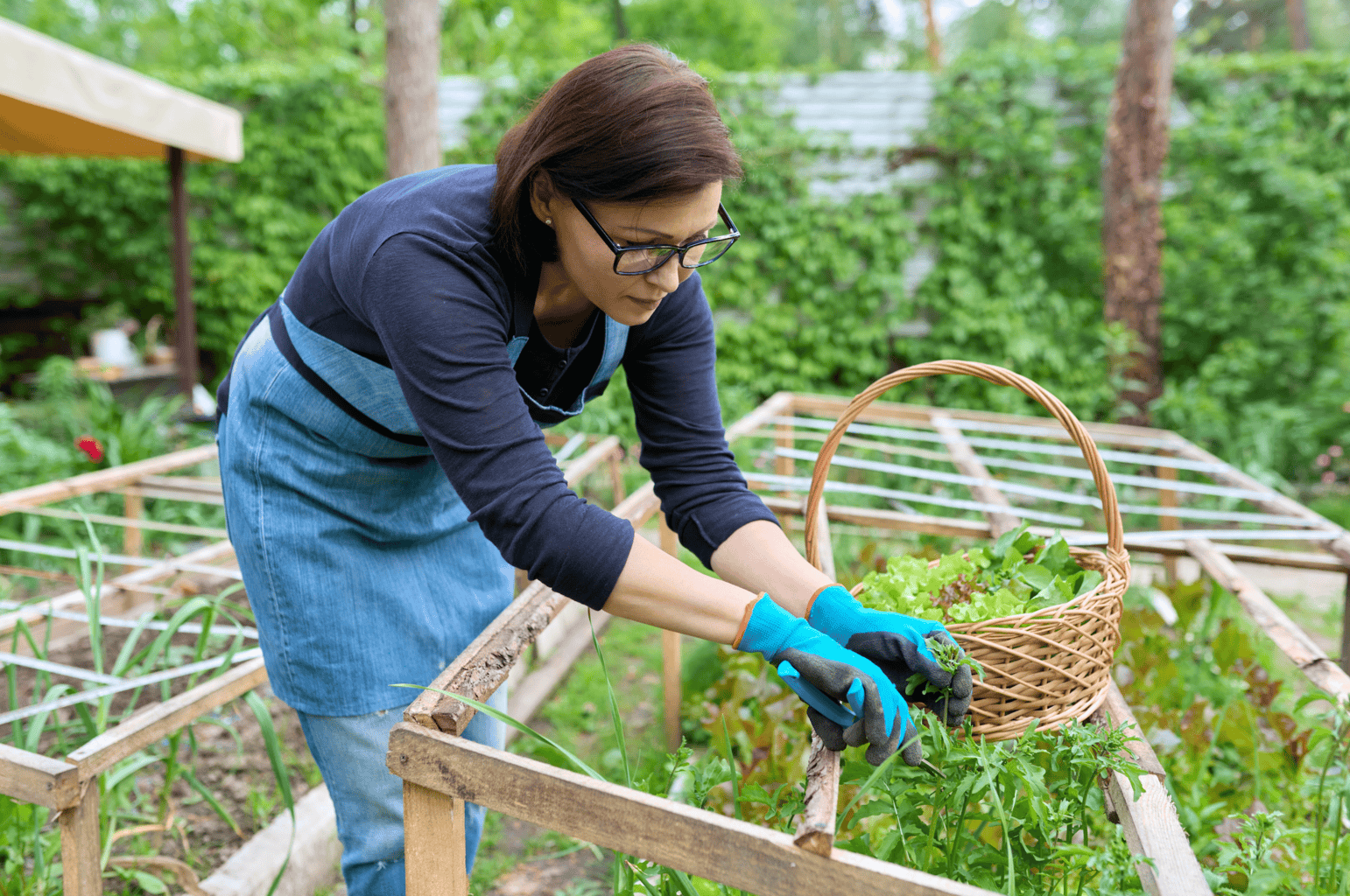
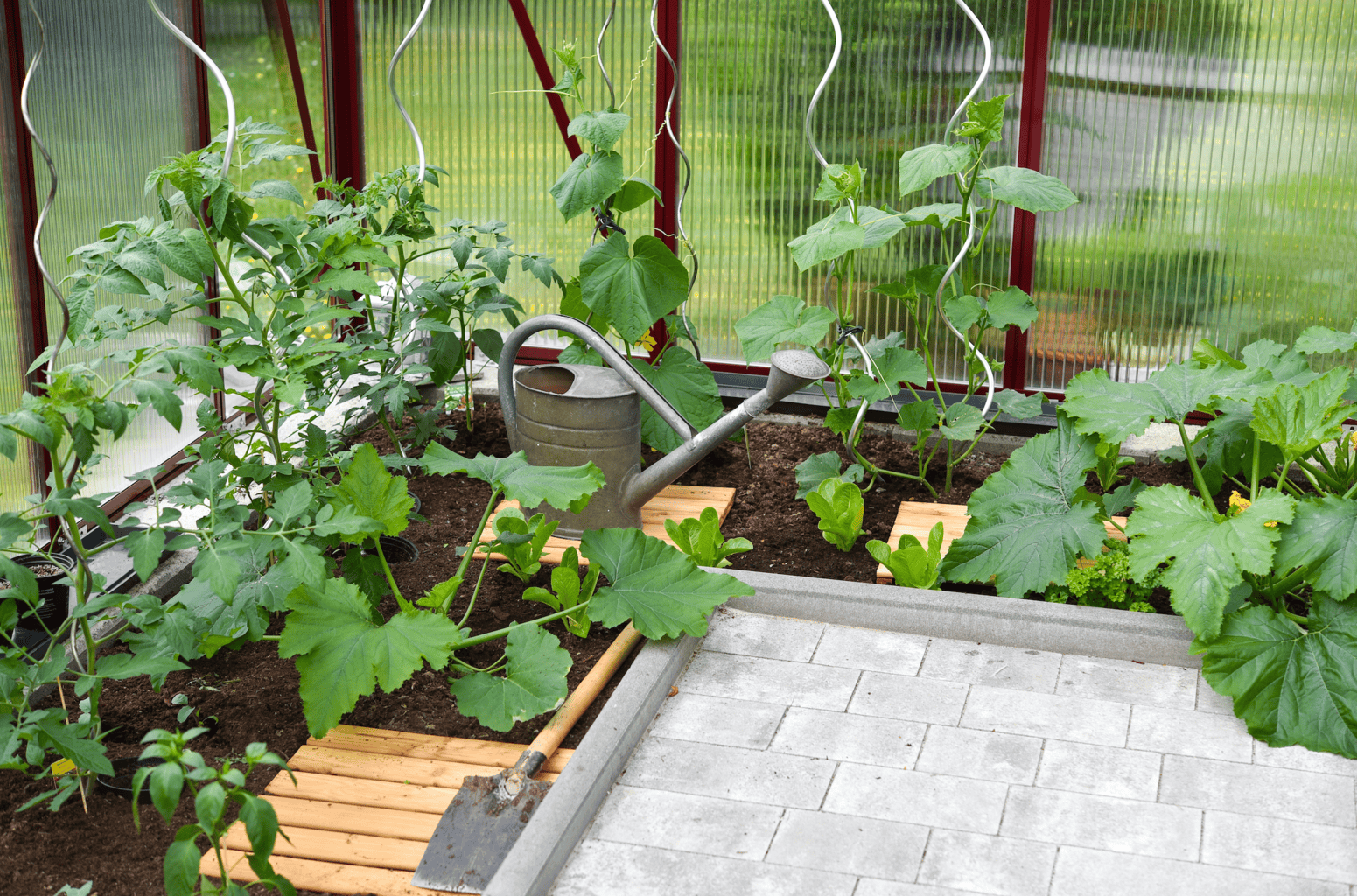
My suggestion is to start with a few raised beds or even grow bags, and grow things your family eats. Before you plant, figure out your hardiness zone and your last spring frost date, then watch where the sun hits your yard since most vegetables will require at least six hours of direct sun light a day.
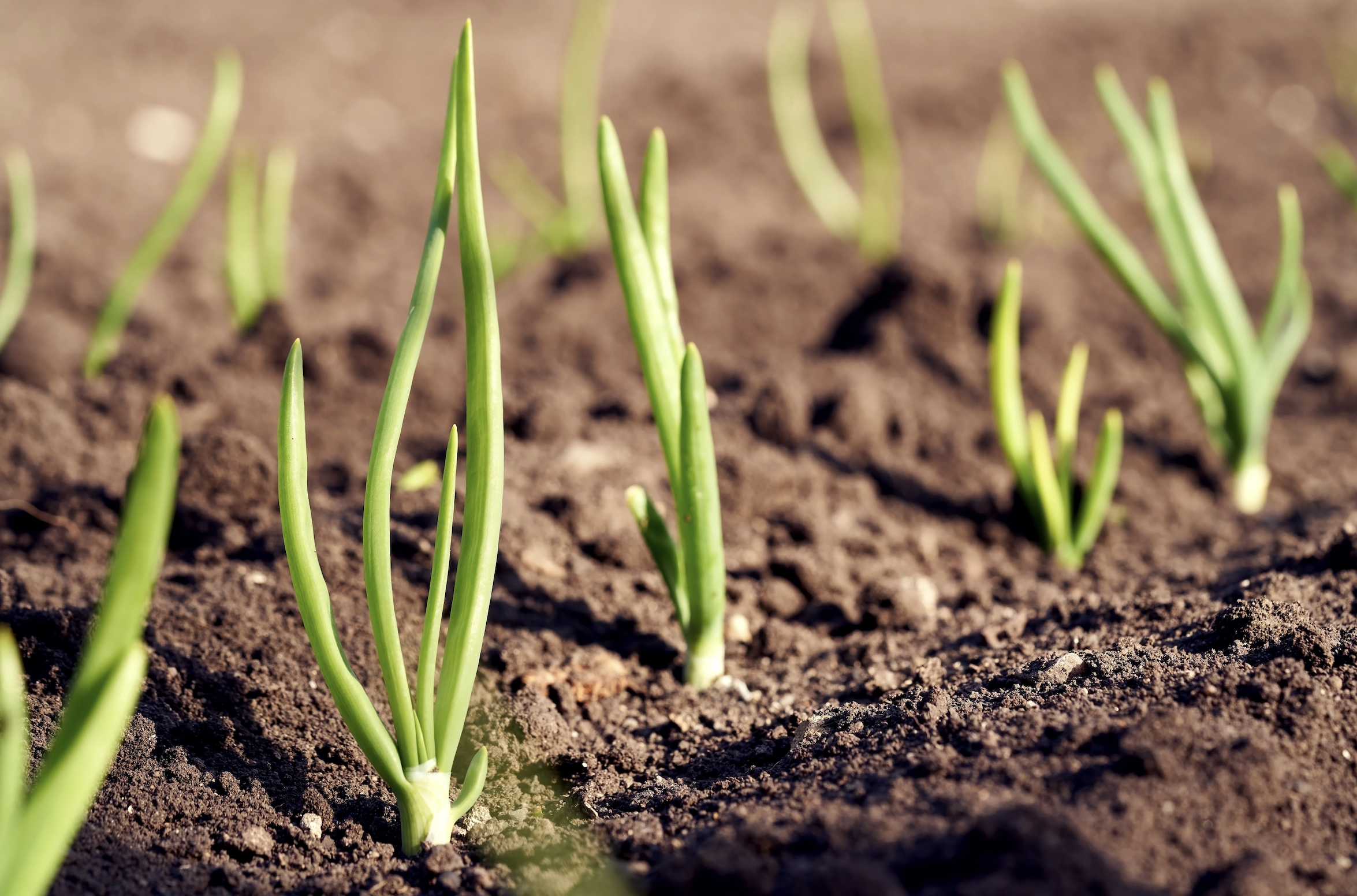
Another thing to remember is that you don’t need fancy supplies. Raised beds can be built from untreated lumber for a lot less than the kits cost, and trellises are excellent for growing cucumbers, beans, and squash.
Get one or two seasons under your belt, learn what grows well for you, and then expand from there. You’ll be grateful you did.
11. Plant Fruit Trees Right Away
Fruit trees take a few years before they give you anything meaningful, so the sooner you can plant them, the better.
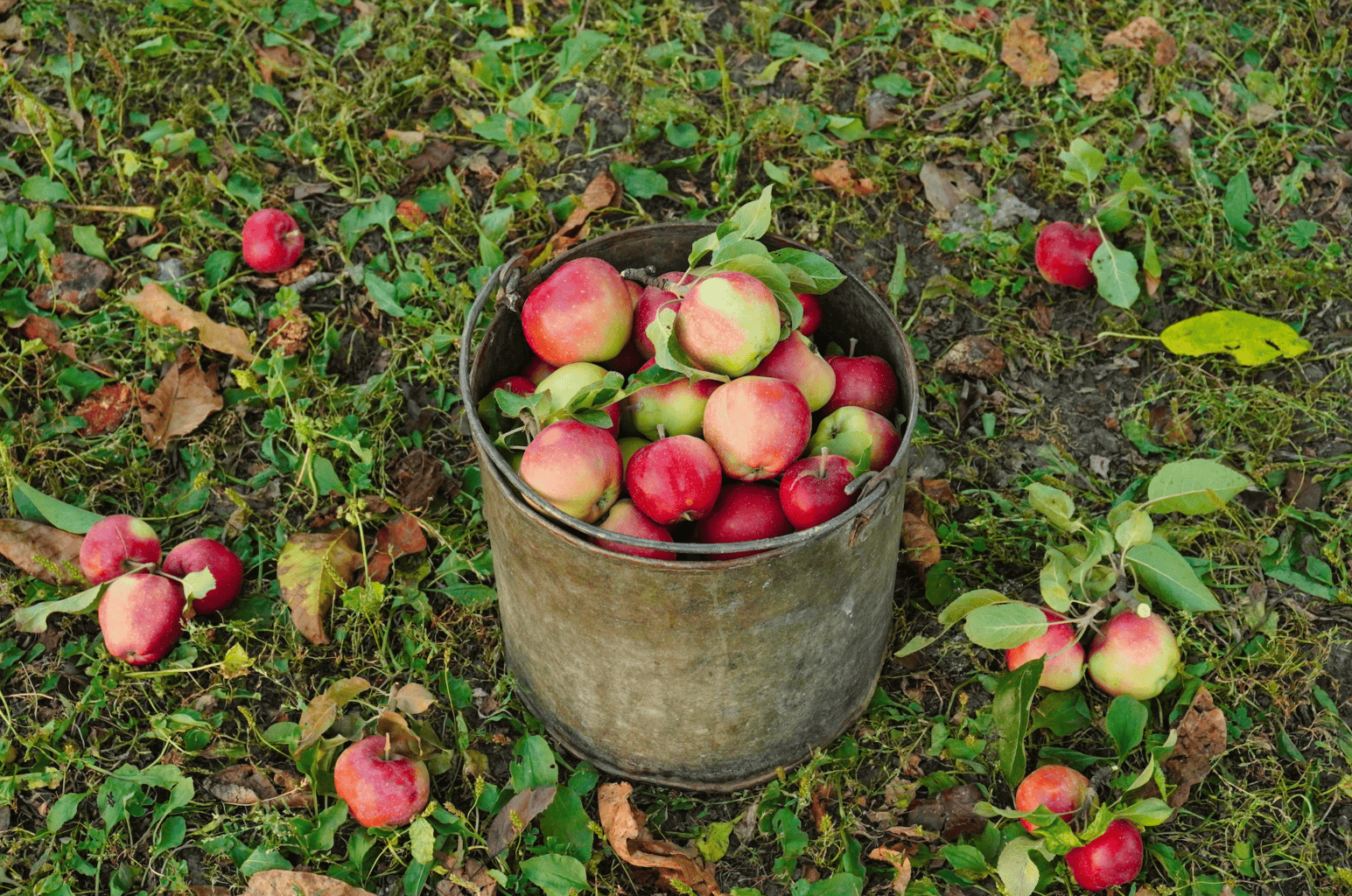
The good news is you don’t need a massive property. If you choose dwarf or even semi-dwarf trees and prune them to stay short (around 8 or 9 feet), you can plant them much closer together than the full-size trees. That means a lot of variety in not a lot of space.
And while you’re at it think about other perennials too like berry bushes, rhubarb, and asparagus; these all come back each year with way less work.
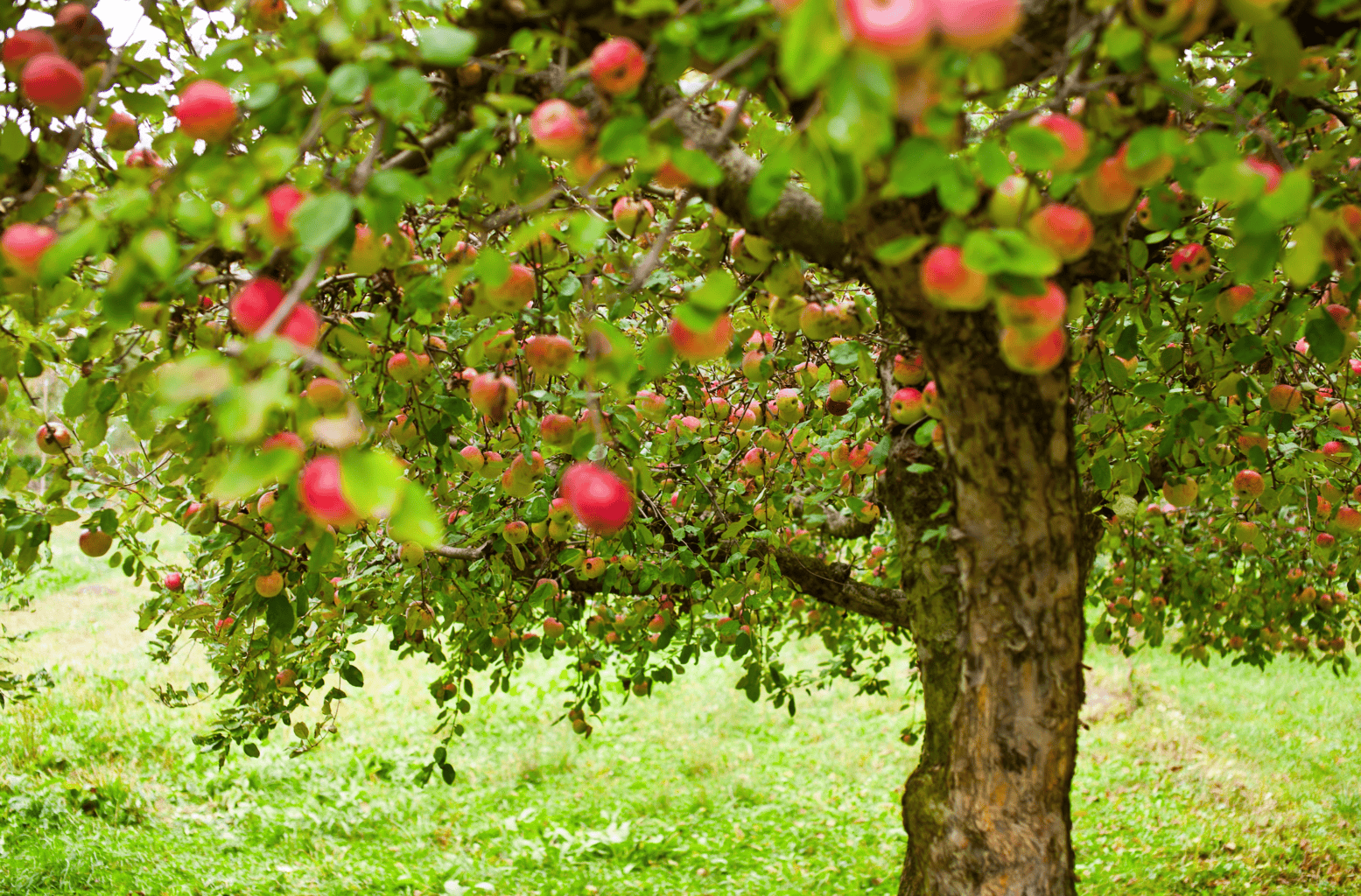
Ultimately you should pick varieties that are hardy for your zone; I highly recommend contacting your local nursery for helpful info.
12. Dairy Animals Are A BIG Commitment
A lot of homesteaders want fresh milk, and with grocery prices the way they are, I can see why. But a full size cow is much more difficult to raise than smaller breeds, and that’s true for other dairy animals, too.
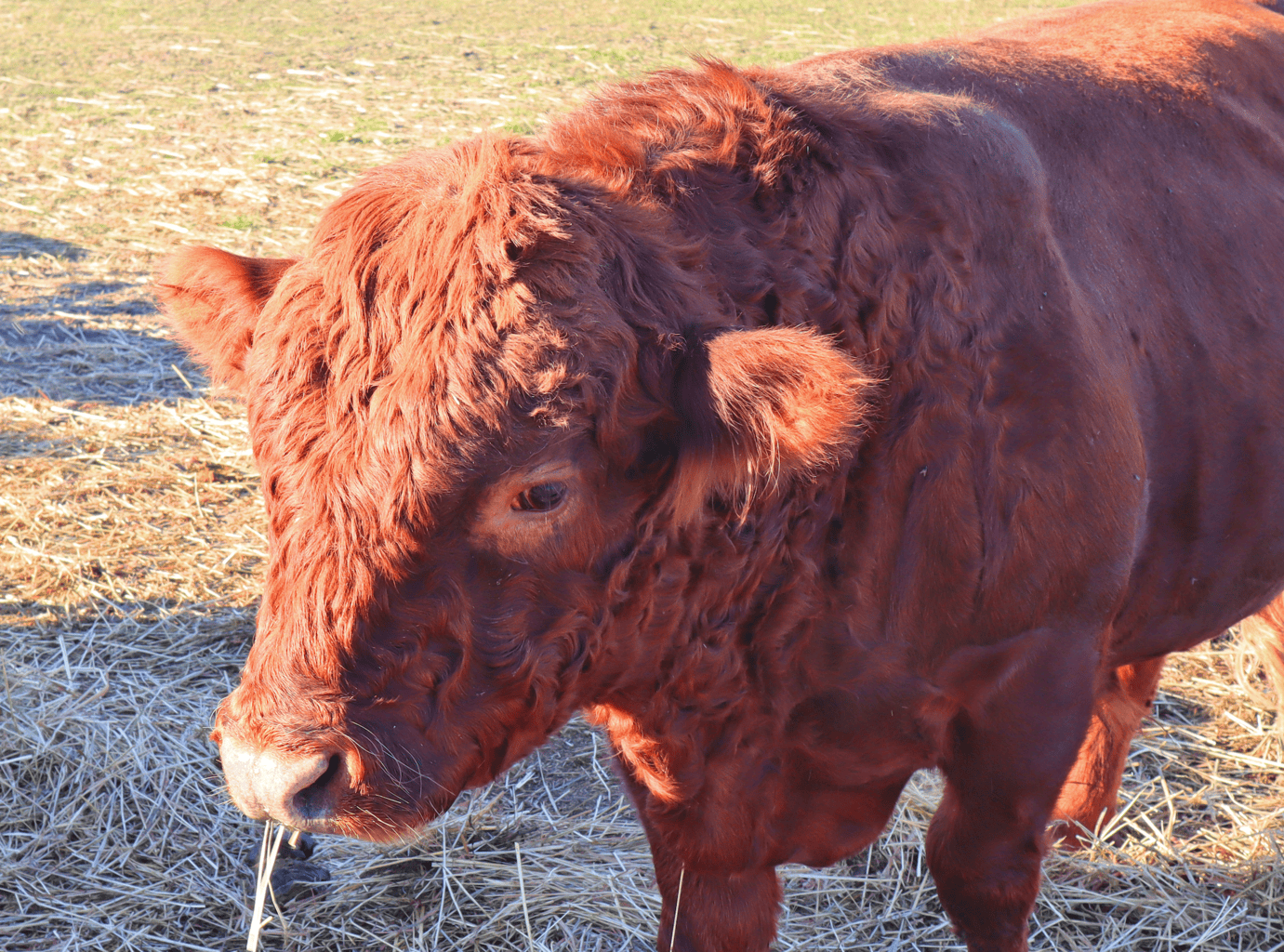
If you want to get milk, you’ll need to remember that you must breed your animals, which also means figuring out what to do with the babies; you can keep them, sell them, or raise them for meat. Then you have to think about milking, which is usually twice a day and that’s every single day no matter what.
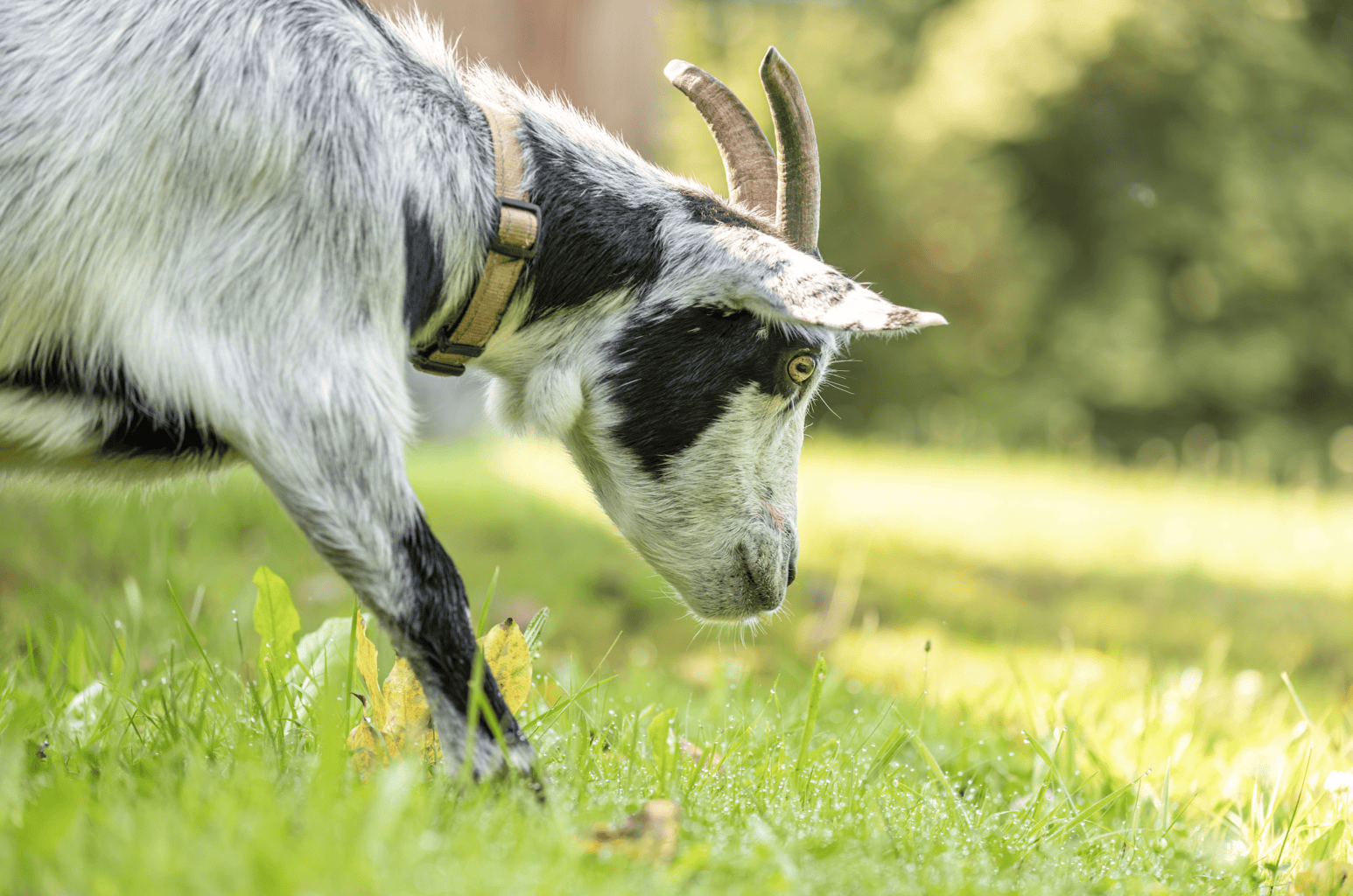
Goats are difficult, too. They are herd animals, so you’ll need at least two of them. And they’re famous escape artists (we joke that it’s their life’s mission), so plan for VERY good fencing.
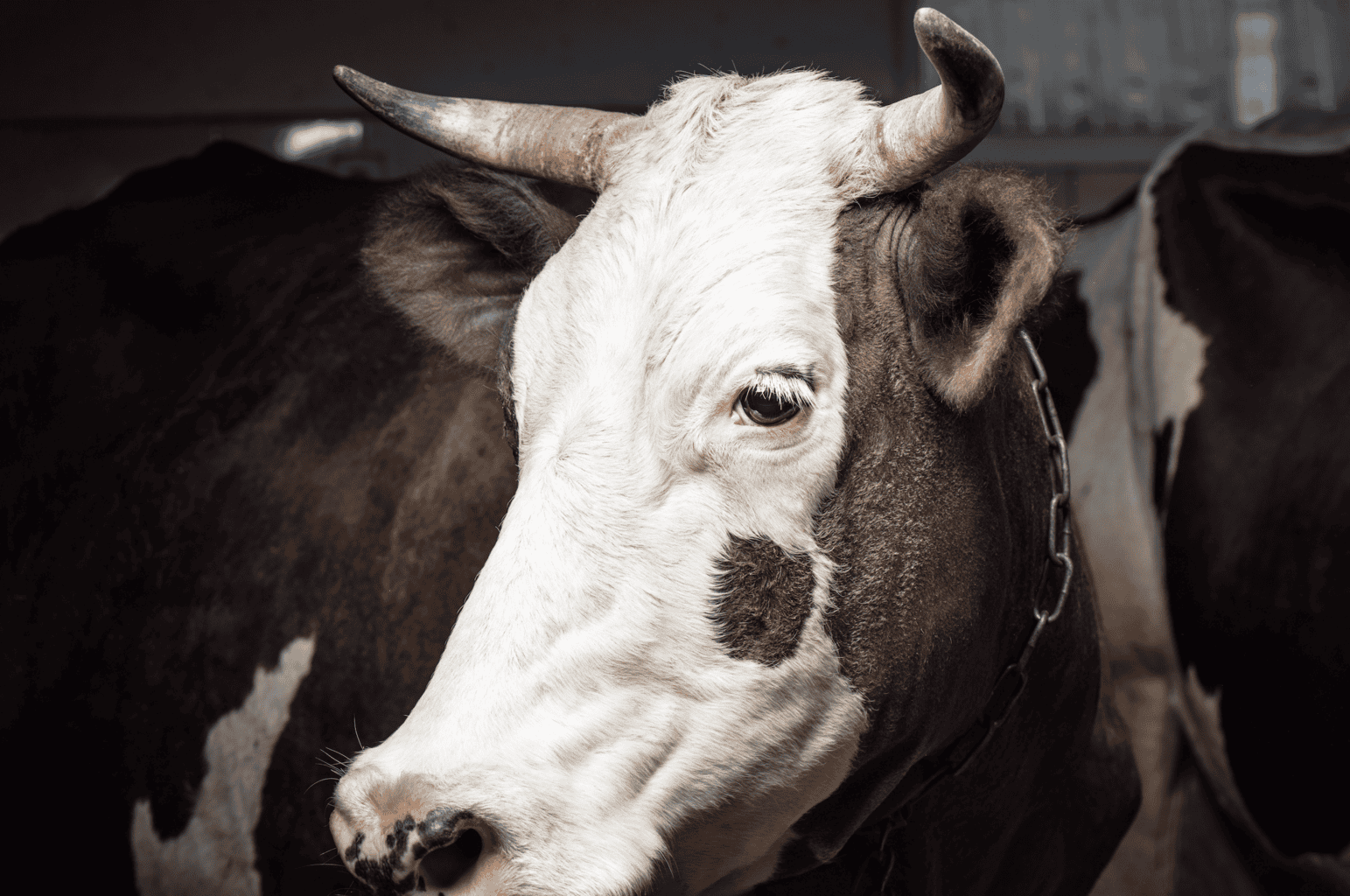
Important Note: You can drink milk from your own animals, but selling raw (unpasteurized) milk is illegal in most places, so don’t plan on paying for your goats by selling the milk.
13. You Don’t Have to Buy Everything New
I’ll tell you what, the farm store is a dangerous place. Everything looks so useful and before you know it you’ve spent a few hundred dollars on things you could have just made.
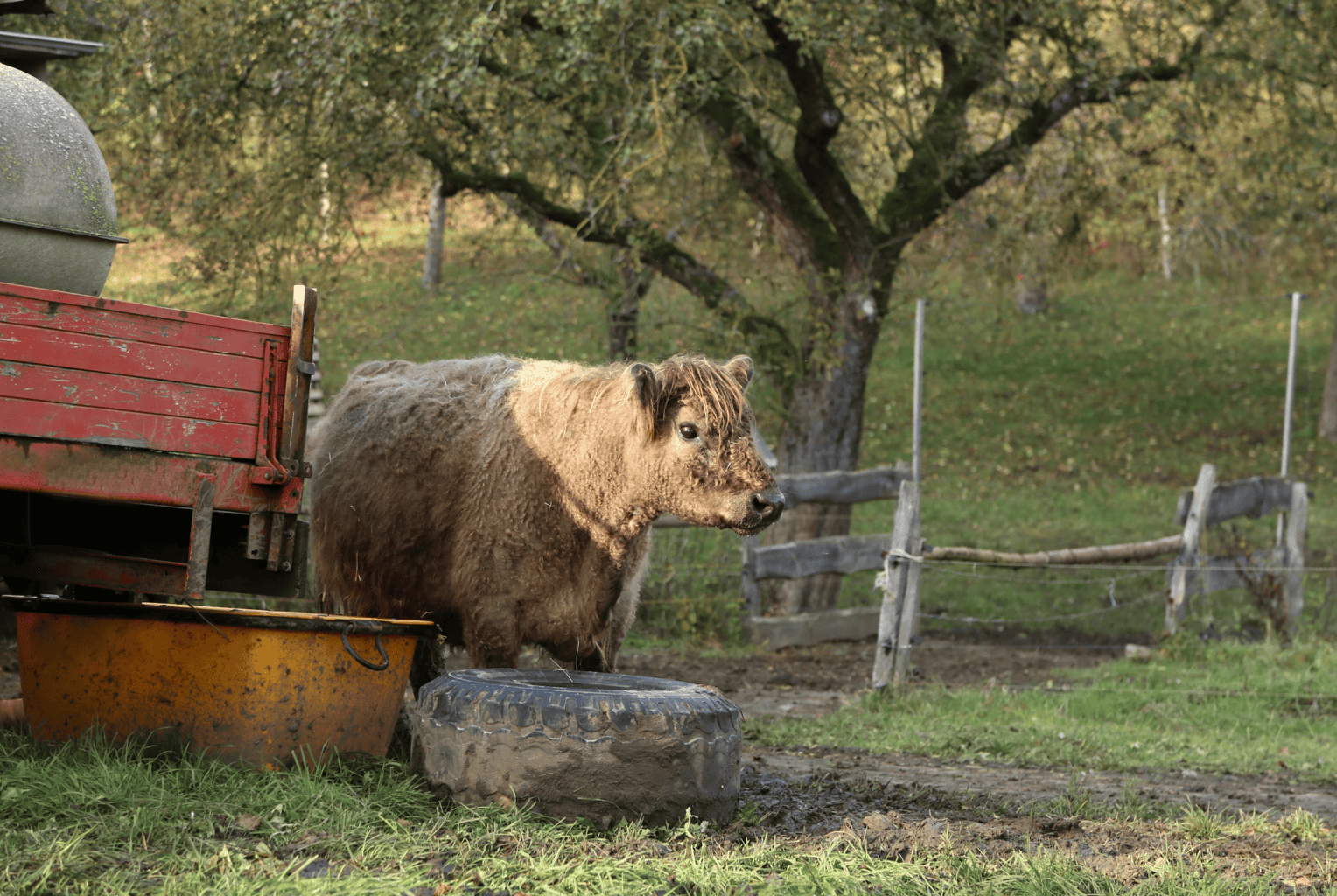
Which leads me to my next point.. some of the best homestead gear is homemade. People make chicken feeders from drain pipe, they’ll turn food-grade barrels into waterers with a drinker attached. I’ve seen people build pig shelters and gates from old pallets, and use old bathtubs as livestock waterers.
Other things to consider are scrap lumber, Marketplace finds, and auction deals. You can find some insanely good options there.
Over the years, I stopped looking at the new stuff as the gold standard, and I started to look at piles of “junk” as treasures and it has really made a difference.
14. Consider Your Time
This is the part that everyone swears will never be an issue for them until about 3 weeks in and you realize you just signed over a massive amount of your time to your homestead.
Think about it.. your animals will need your care every day, even on the days you have the flu. Your garden needs attention in the busiest weeks of summer. And things like butcher day or canning day or firewood day can each take up an entire weekend.
So here’s what we’ve started to do:
Track where your time goes now.
Before you start homesteading, record how many hours you pour into doom scrolling or watching TV. This adds up quickly, even if you think this isn’t you.
Start one project and finish it before starting the next.
I’m so guilty of this. My partner, too. If you’re going to build a raised bed, do that until it’s finished. Don’t just over to the chicken coop midway through and forget all about that half-built raised garden bed.
Line up backup help.
Honestly, it’s so important to have people around that you trust like a neighbor or friend or someone in the homesteading community who can do chores when you’re gone.
15. Know the Rules Before You Sell Anything
Eventually, you’re going to end up with extra eggs, veggies, or meat and want to sell some; it’s a great goal! But you should know that in certain areas rules are pretty strict or specific.
For example, here are some rules for my area (always look up yours in your area):
- Eggs: Ungraded eggs from your own hens can be sold to customers at your farm. If you want to sell them at a farmers market or to a store you need to get them graded.
- Chicken: In my area, they have a family food program that lets small homesteaders raise up to 300 birds per year for farm-gate sales.
- Meat: If you produce meat from animals slaughtered on your farm, it’s for your own household only. If you want to sell it, it needs to go through an inspected processor.
- Raw milk: You cannot sell this. We covered this above.
And before you expand, figure out what you like and what you’re good at. You could be the egg person or the person with great garlic. Start by selling to friends and family, and make sure you have people who are lined up to buy before you get 15 pigs.
All in all, start small. It’s easier to scale up than to scale back.
Get Started!
I hope this post helped you realize that you don’t need 100 acres or a barn full of animals to call yourself a homesteader. Pick one thing from this list and give it a go whether that’s a pot of herbs on the windowsill or a call to the township about getting chickens.

Erie is the owner and author of Everywhere Ontario. She’s lived and traveled around Ontario for over 30 years, visiting small towns and big cities from the shores of Lake Erie to the crisp northern air of Hearst along the Trans-Canada Highway. She is passionate about maximizing fun and supporting local tourist businesses and is always looking to provide the best recommendations to her fellow Ontario travelers. Read more about Erie here.