
Most of us start homesteading with a picture in our heads of fresh eggs, a garden with tons of tomatoes, a freezer full of meat, and the kids running around outside instead of staring at a screen.
And let me tell you.. that picture CAN be real, it’s just not the entire picture.
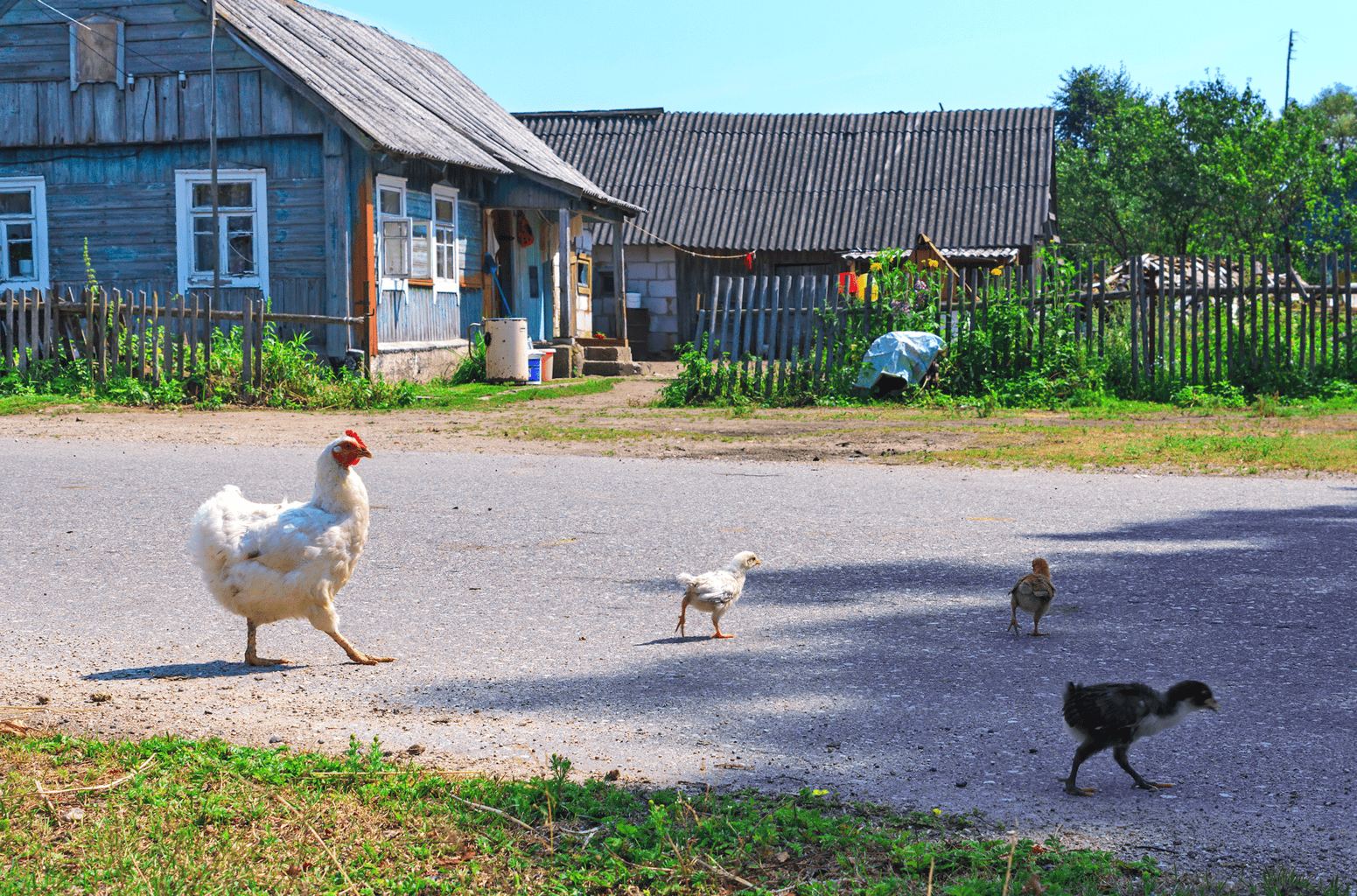
You’ll see people glamorize homesteading, but what they won’t show you are the photos of the chickens in the neighbor’s garden, a pump that died in February (womp, womp!), or the week everyone got the flu and nobody fed the pigs until 2pm.
Those are the hard times where the homesteading dream gets tested over and over again.
The good news is you don’t have to learn everything the hard way. After talking with a LOT of homesteaders in our community (some that are brand new, some 15+ years in), the same mistakes keep coming up again. Many of these mistakes are ones we have faced ourselves in the early days.
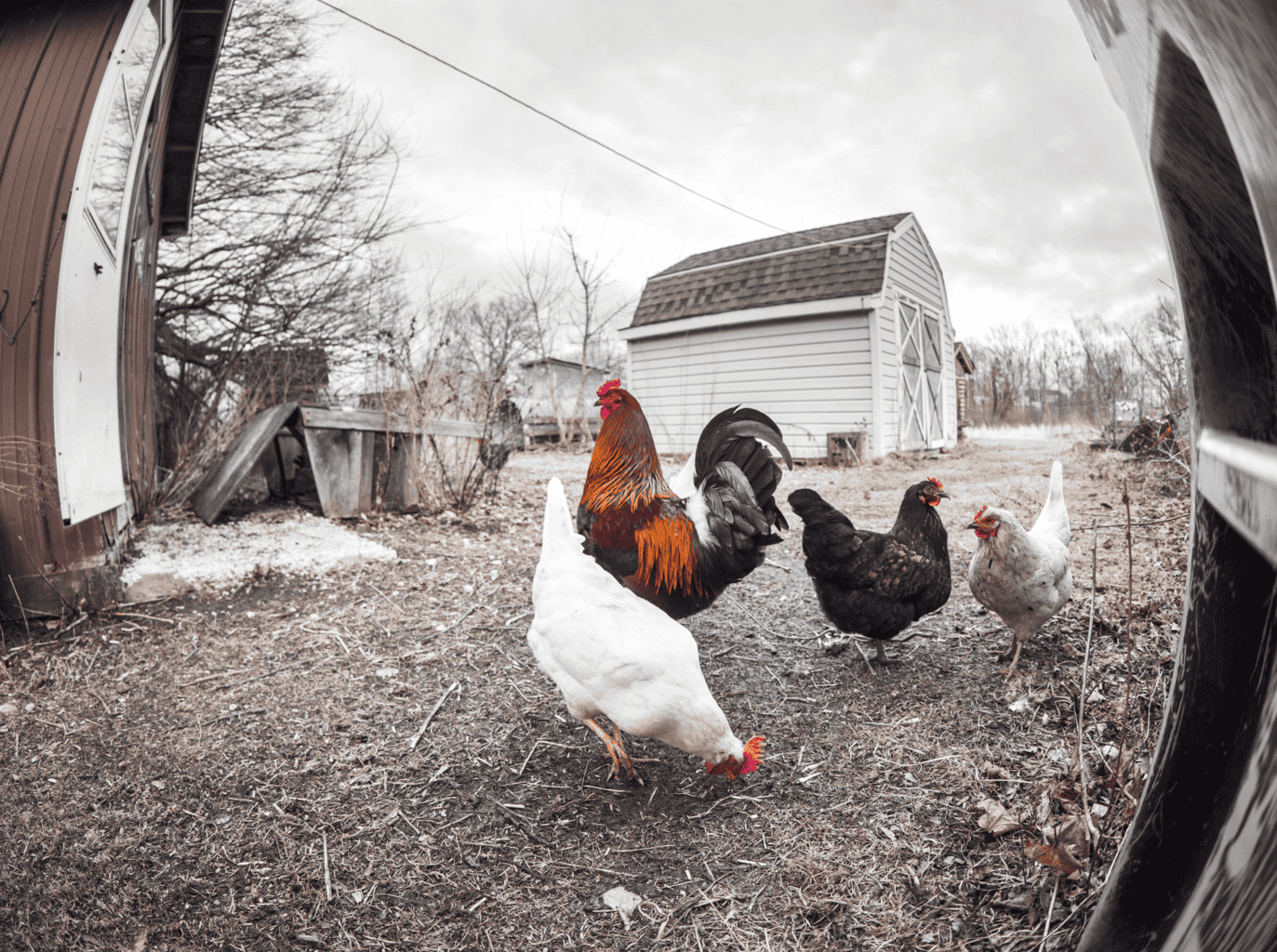
So I rounded them all up here, and I’m sharing them with you in hopes that you don’t face the same issues. Or at the very least, you’re prepared for them.
MISTAKE #21: Waiting Until Everything Is Perfect to Start
This one sounds backwards on a mistakes list, but hear me out.
When you read enough posts like the one you’re reading here, it’s easy to feel analysis paralysis. But let me tell you, you do NOT have the right land, the right chicken coop, or to have read every homesteading book you can get your hands on..
That will just make you wait forever.
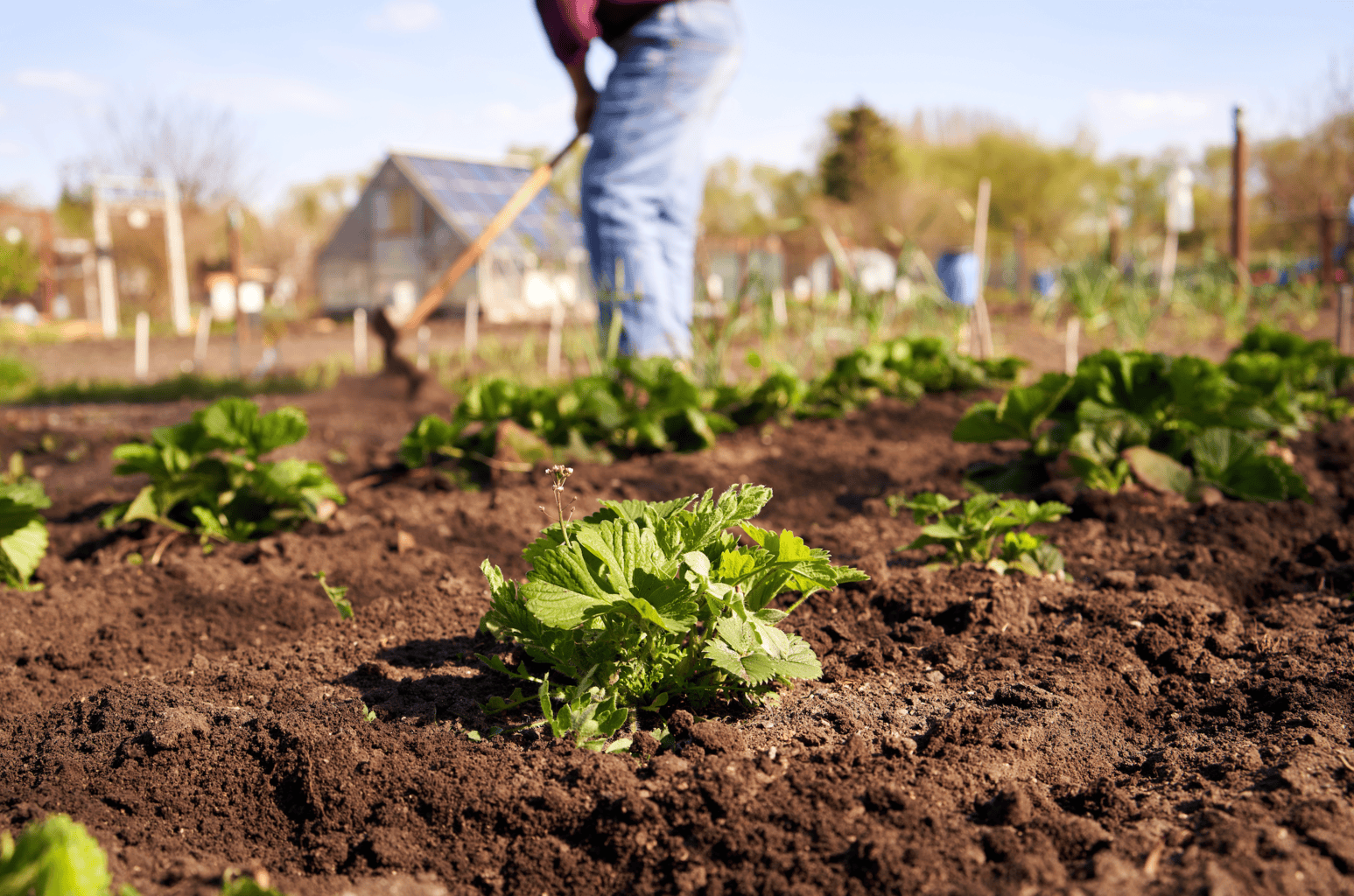
When we asked homesteaders what they’d do different, one of the most common answers was simply “I wish I’d started sooner.” You don’t know what you don’t know until you’re out there living in it, and no amount of YouTube will replace the first time a hen goes broody or your seedlings flop.
MISTAKE #20: Building Before You’ve Watched Your Land Through the Seasons
Now this one is pretty much the exact opposite of what I mentioned above. BUT I see a lot of people who get overly excited about new land. They’ll plan everything out from where they’ll put their coop to where the garden will go, and they just want to dive in head first.
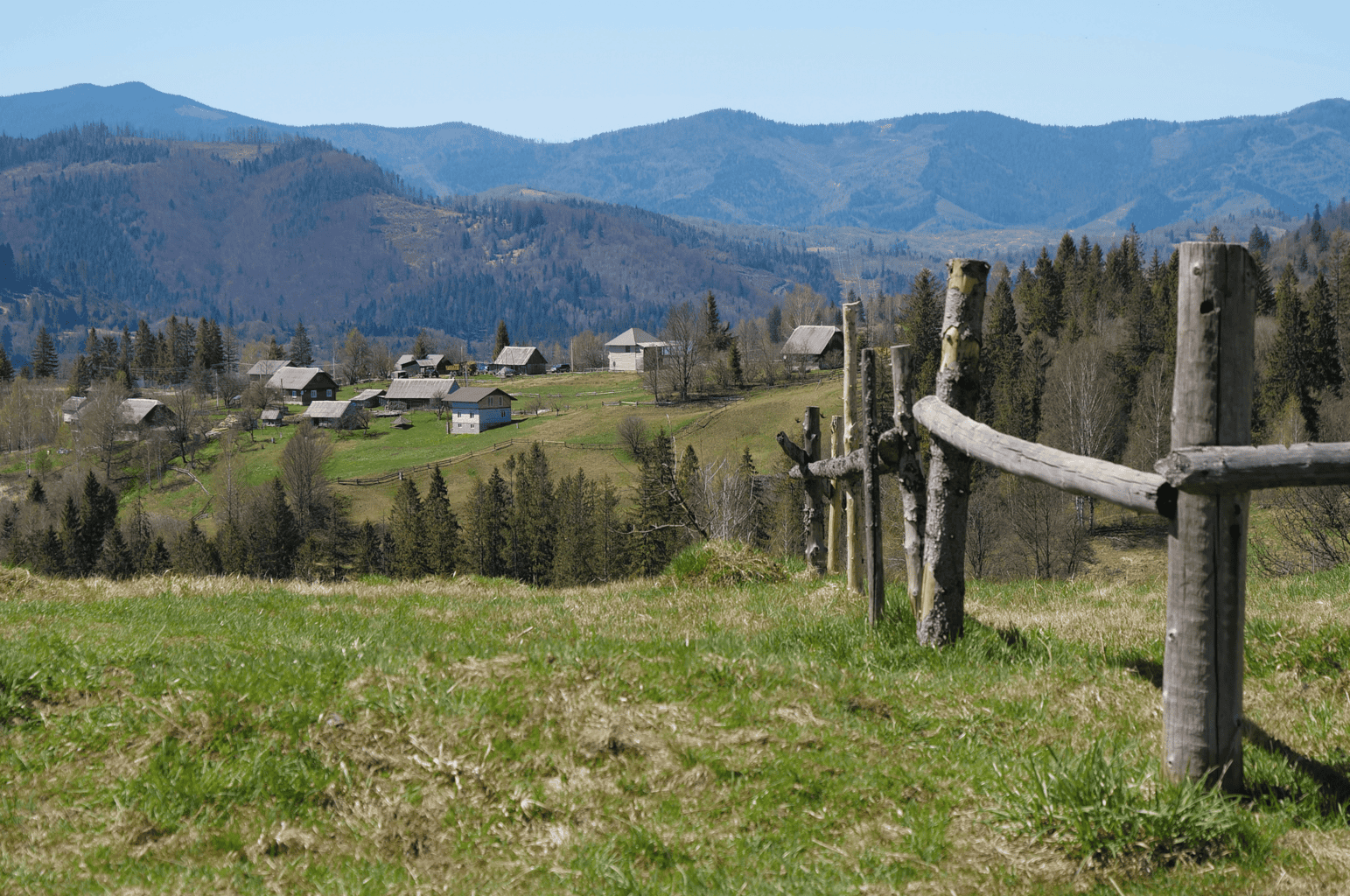
But the land you have on a sunny day in June acts differently than the land you have in early January. Things to consider are where water pools during a spring melt or which corner is going to get blasted by wind. Or even where snow drifts get so deep you can’t get to your barn. For us, we had to find out the hard way where the soggy spots are.
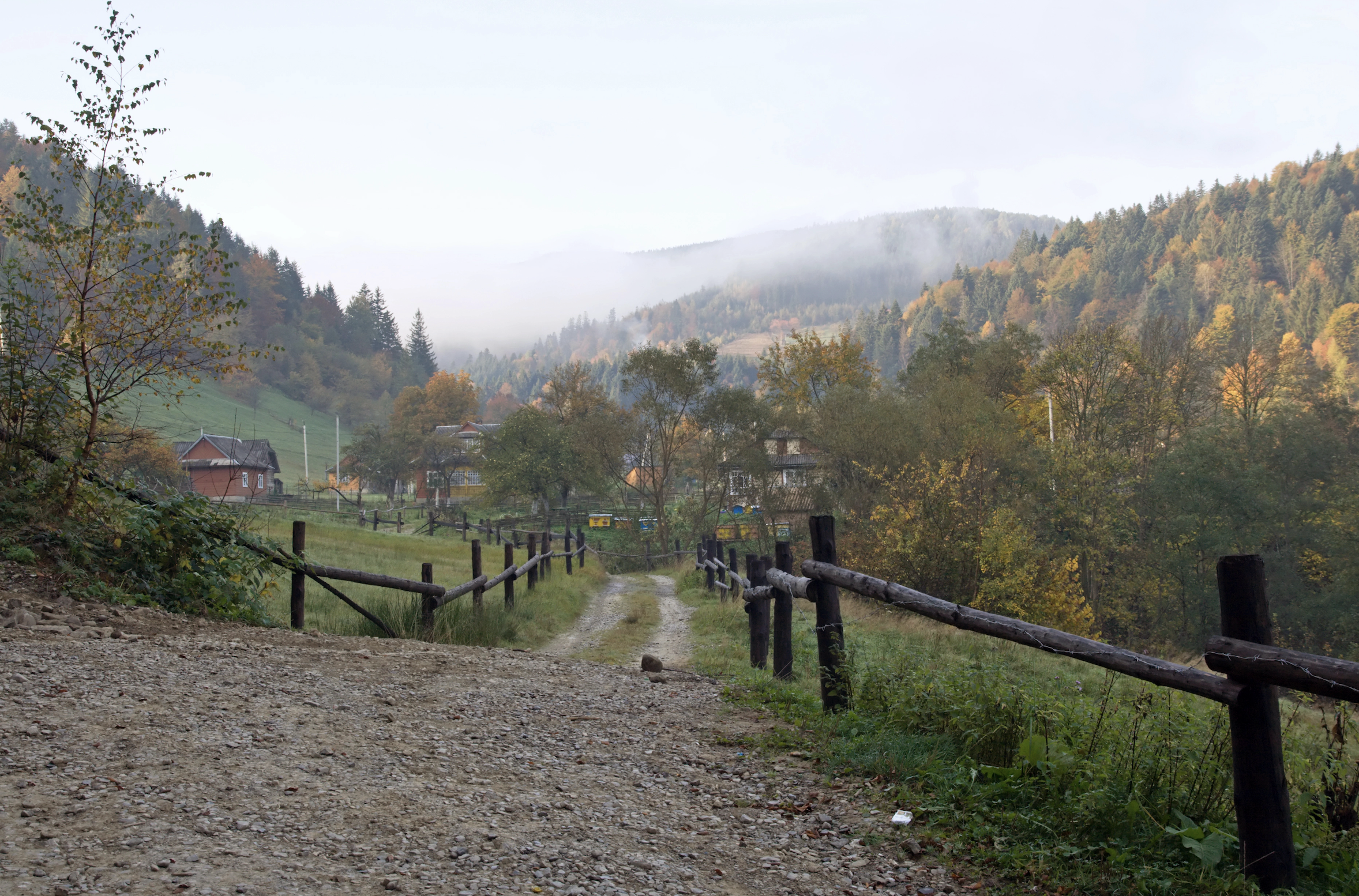
Plenty of homesteaders end up tearing out or moving what they initially build because they build it before they know how their property behaves. If you can, spend a year watching (and taking notes and even pics) before you commit to anything permanent.
MISTAKE #19: Letting Your House Fall Apart While You Homestead
If your home can barely keep up with laundry, meals, and school pickups right now, adding goats is not going to make that easier. It’s the same thing as having kids during a rocky marriage.. it’s going to make it worse, not better.
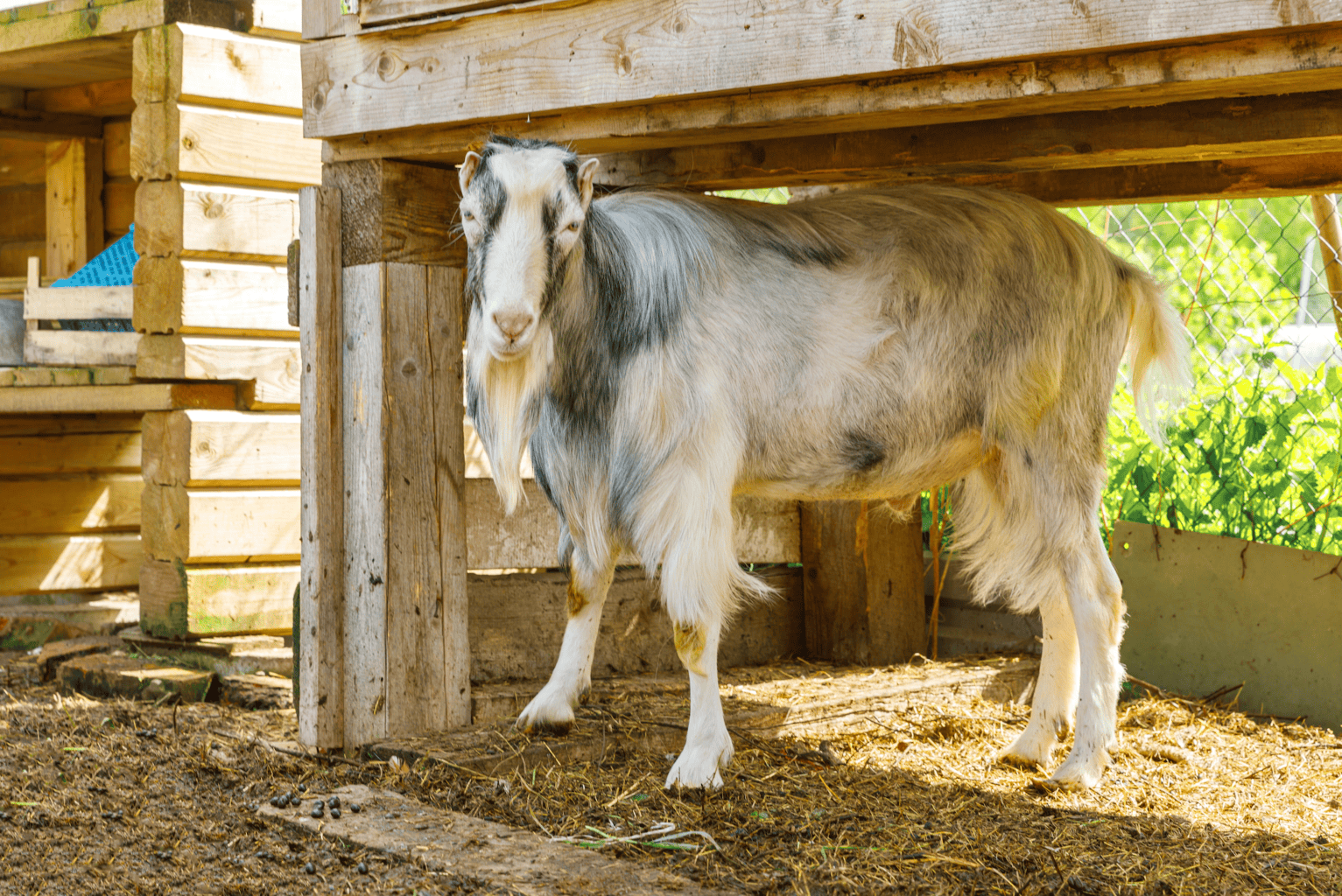
The homesteaders who can it all usually have their typical home routines down first. That includes meal planning, cleaning, a system for bills and appointments, and whatever else keeps the house from chaos.
So, get that foundation solid first, then layer the homestead on top of it. You’ll feel a lot better walking in from evening chores to a kitchen that isn’t a complete disaster.
MISTAKE #18: Raising Animals You Don’t Actually Want to Eat
This one comes up in our community all the time, and I think it’s one of the most important tip here.. if you don’t eat lamb, don’t raise sheep.
It sounds obvious, but so many people pick animals because they’re cute or “what homesteaders do.” Then they end up feeding, housing, and doctoring animals that don’t produce anything their family needs or uses.
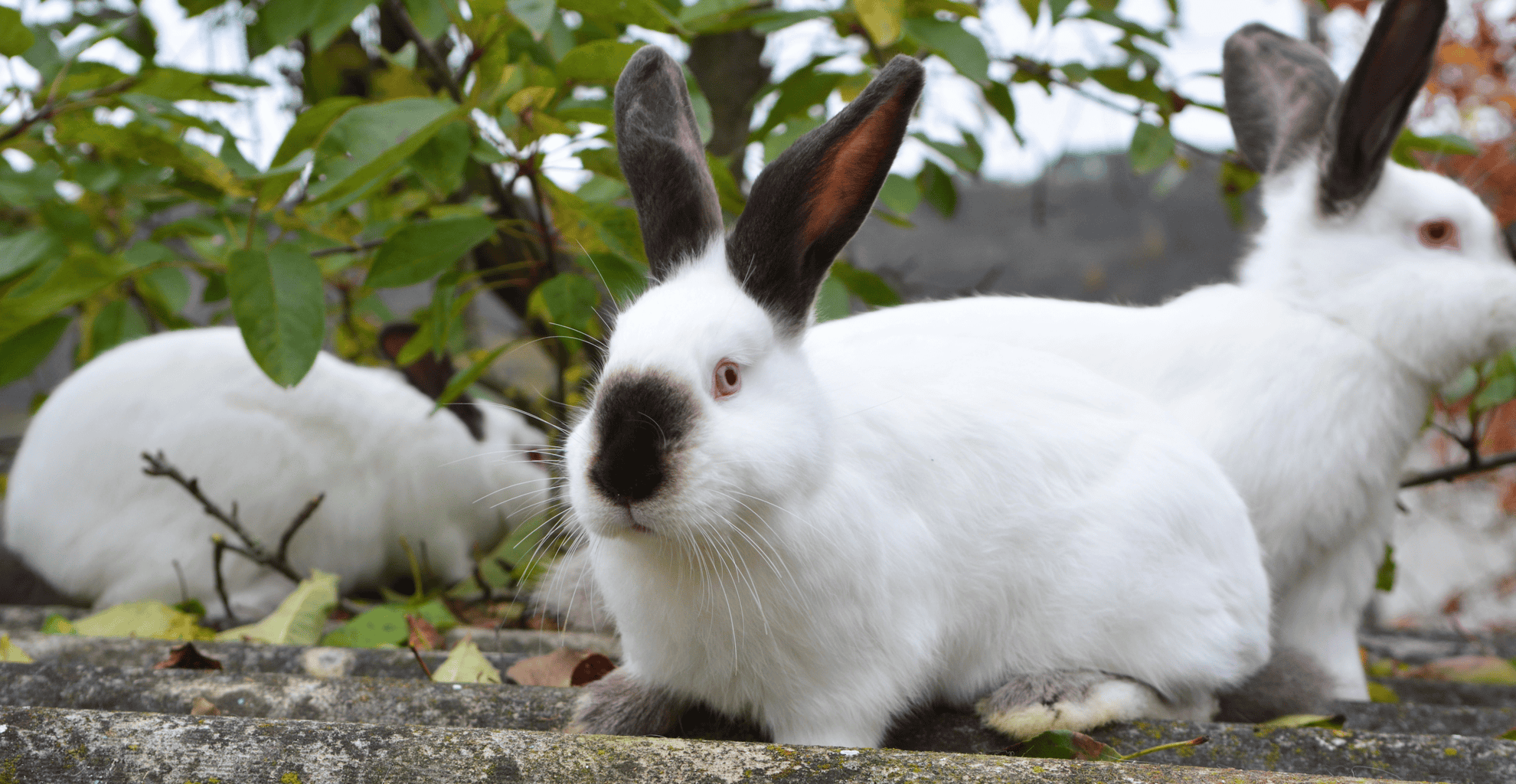
Rabbits are a great example because they’re easy to care for and easy to feed (about 3 pounds of feed for every pound of gain, which is way better than beef cattle). But we’ve heard from multiple families who raised a full batch of rabbits, processed them, and then realized that nobody in their family really liked the meat.
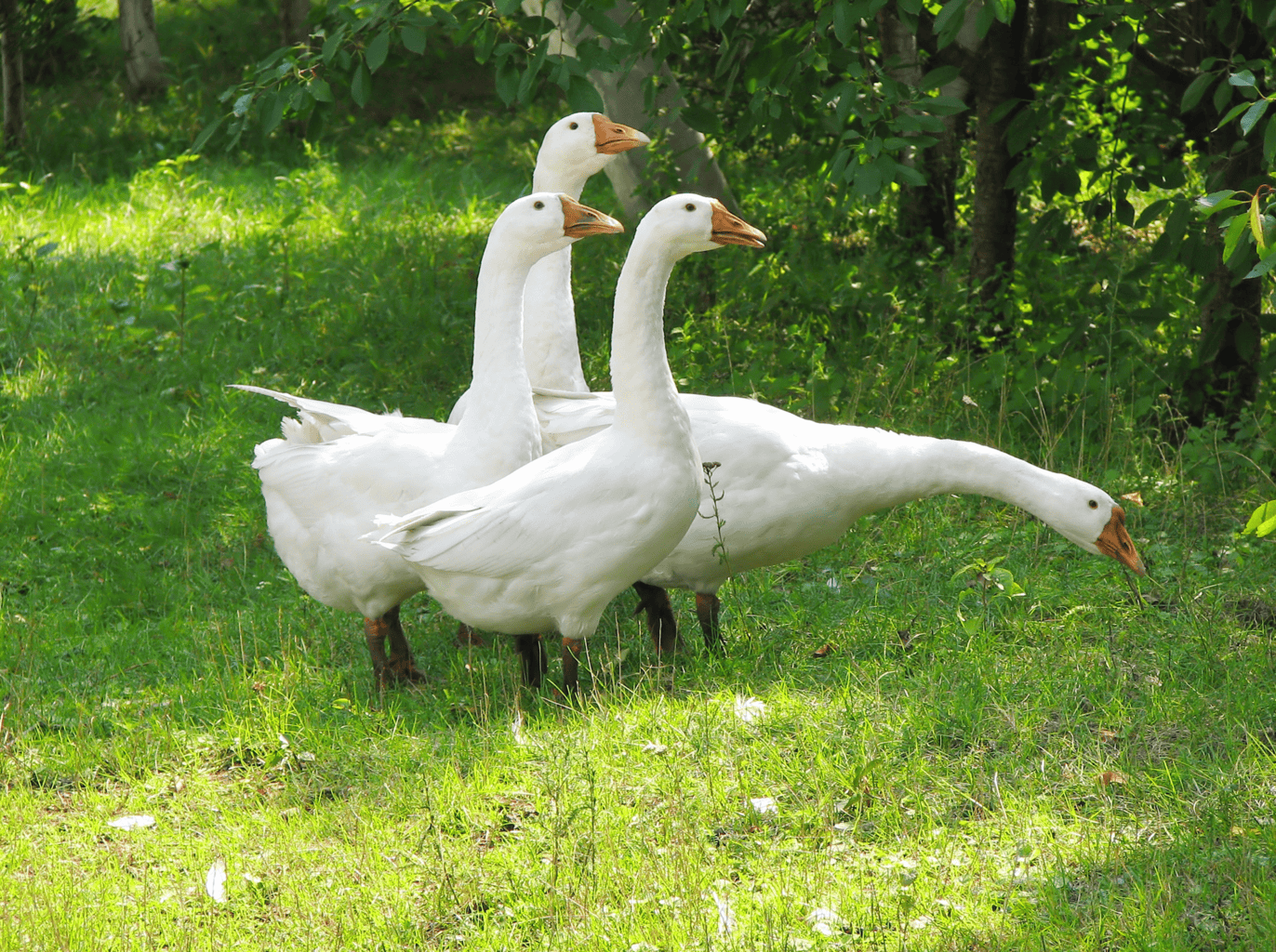
So before you add any animals, ask yourself, “will my family eat or use what this animal produces every week?” If the answer is “eh, maybe,” I’d recommend skipping it for now.
MISTAKE #17: Expecting Homesteading to Save You Money Right Away
This is the one that surprised me when I first started. A lot of us will get into homesteading so that our grocery bill drops. I know people who expect NO grocery bill whatsoever.
And sure, over the long haul, it can absolutely help. But in the first few years, you’re buying coops, fencing, feeders, waterers, tools, canning supplies, seed starting gear, and a hundred other things.
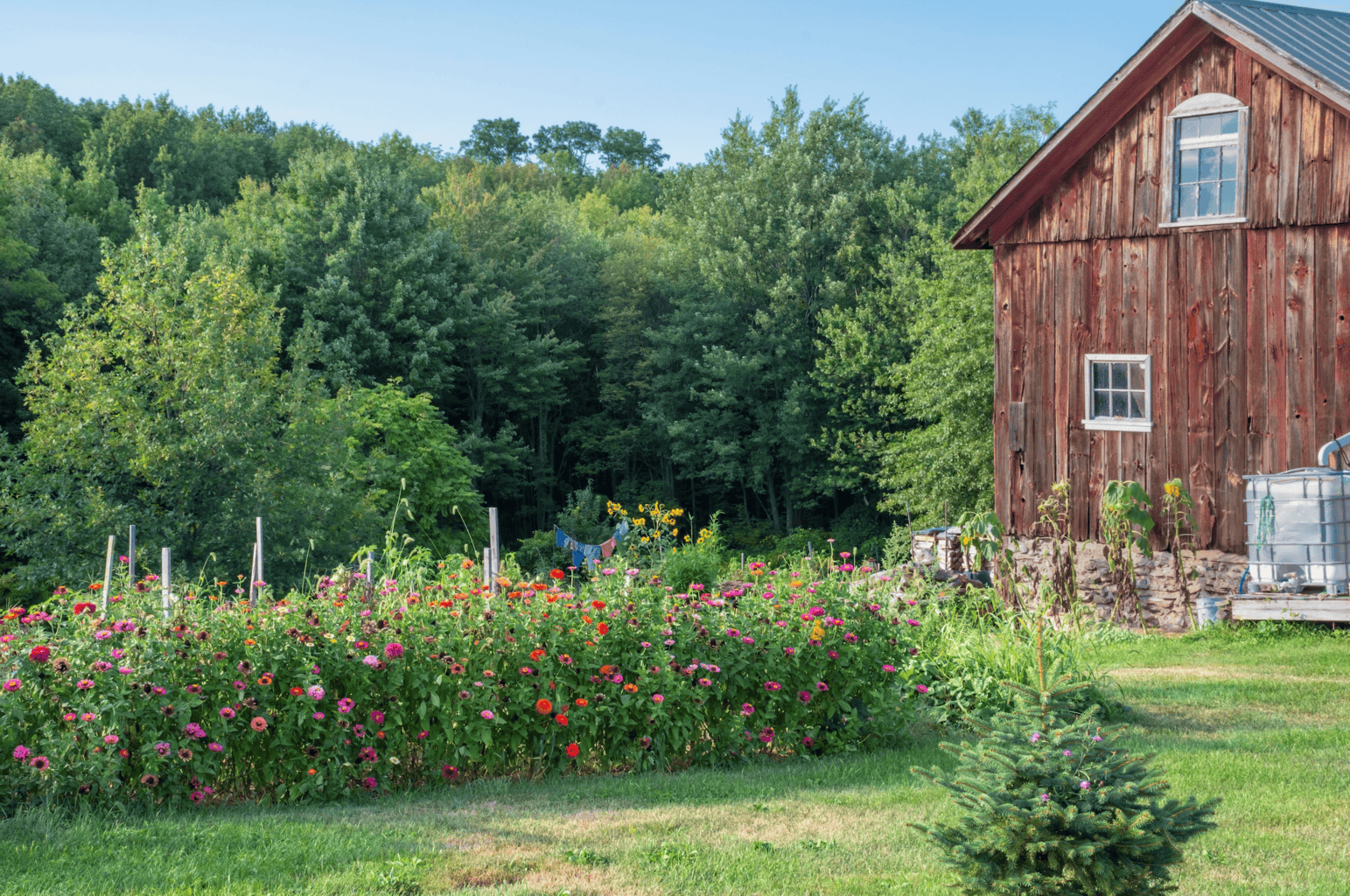
A milk cow is a great example here because in between buying her, hay through the winter, and vet care, homemade milk usually costs more per liter than a jug at the store. Now the things you do get are higher quality food, skills (for you and your kids), and an awesome lifestyle.
It’s a great trade, but you have to be honest with yourself about what you expect because it isn’t as simple as, “saving money”.
MISTAKE #16: Putting Everything Into the Veggie Garden (and Ignoring Meat)
Gardening is an amazing way to get into homesteading because it’s cheap to start, you’ll see results fast, and it teaches you a ton.
But if one of your big goals is lowering your grocery bill, I’d think about this more clearly. For most families the most expensive thing they’re buying at stores is meat.
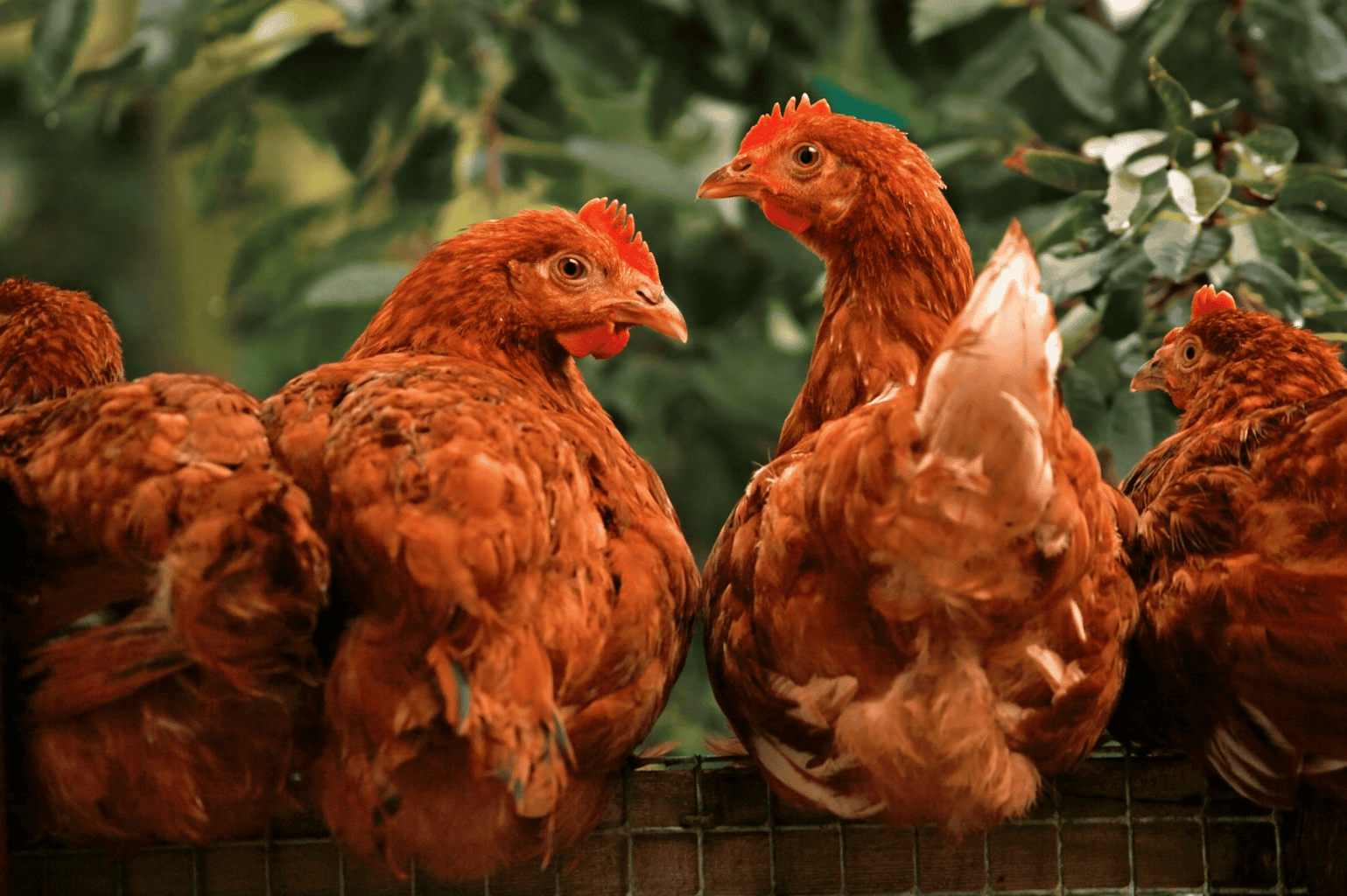
If your goal really is to reduce the cost of groceries, I recommend adding meat chickens or a couple of pigs; the savings are going to be way bigger than what your vegetable garden can produced.
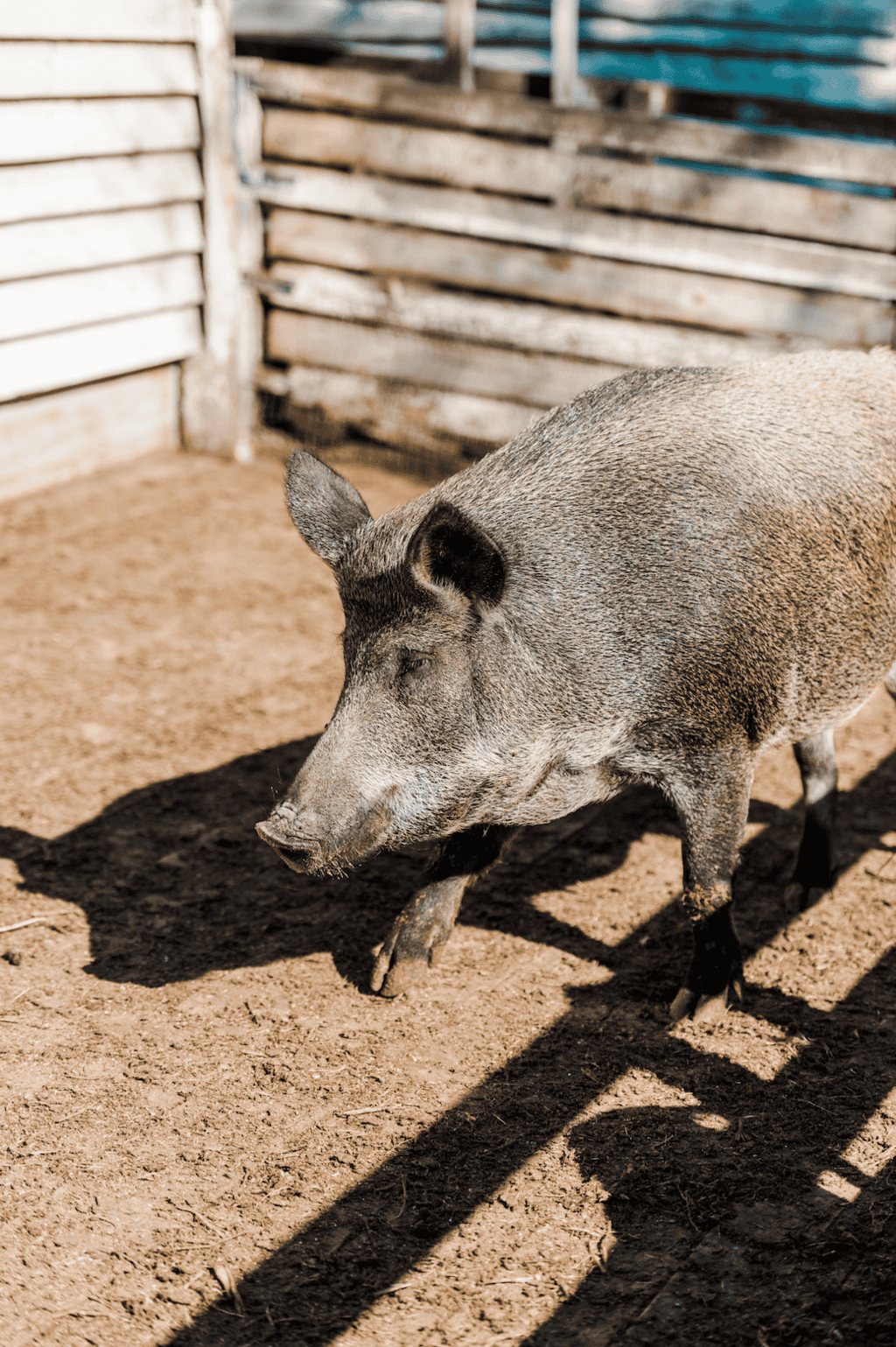
Pigs in particular tend to surprise people because the setup can cost about the same as getting started with laying hens (shocking, right?), and the amount of meat you get back is incredible.
Now I’m not saying to get rid of your garden.. just don’t assume it’s automatically it’ll help you save a bunch of money.
MISTAKE #15: Selling or Sharing Your Meat Without Checking the Rules
This is a mistake that could turn very expensive for you, and few people know about it. Which is surprising considering it’s so important.
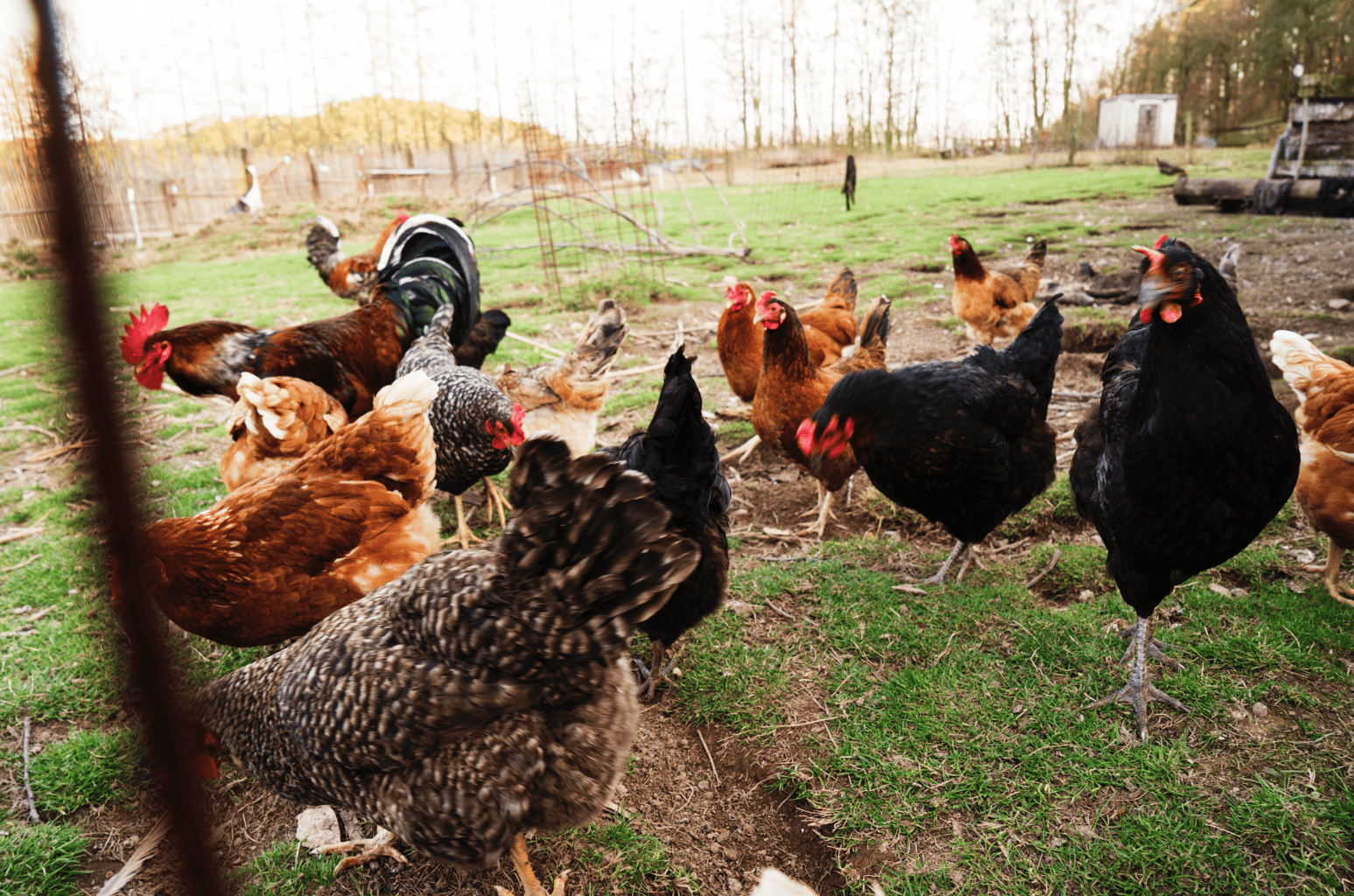
Here in Ontario, you can raise and slaughter your own animals on the farm for you and your immediate family to eat. But the province says that selling or distributing uninspected meat is illegal, and that includes giving some to your neighbors. Any meat that leaves your household has to come from animals processed at a federally licensed plant. This is also true for many states in the United States.
So if you’re planning to sell half a pig to your sister-in-law or trade chicken for eggs, make sure to use a licensed abattoir first (and book EARLY, because fall slots fill up fast).
Remember though, that rules are different in every province and state, so if you’re outside Ontario, check your local regulations.
MISTAKE #14: Treating Garden Problems Instead of Feeding the Soil
When you’re new to gardening, it feels productive to start spraying problems immediately. This is what I did anyway..
So if I saw aphids or yellow leaves, I’d spray, spray, spray.
But the problem is you’re just treating the symptoms and few gardeners realize the real issue was that the soil was never built up with enough organic material.
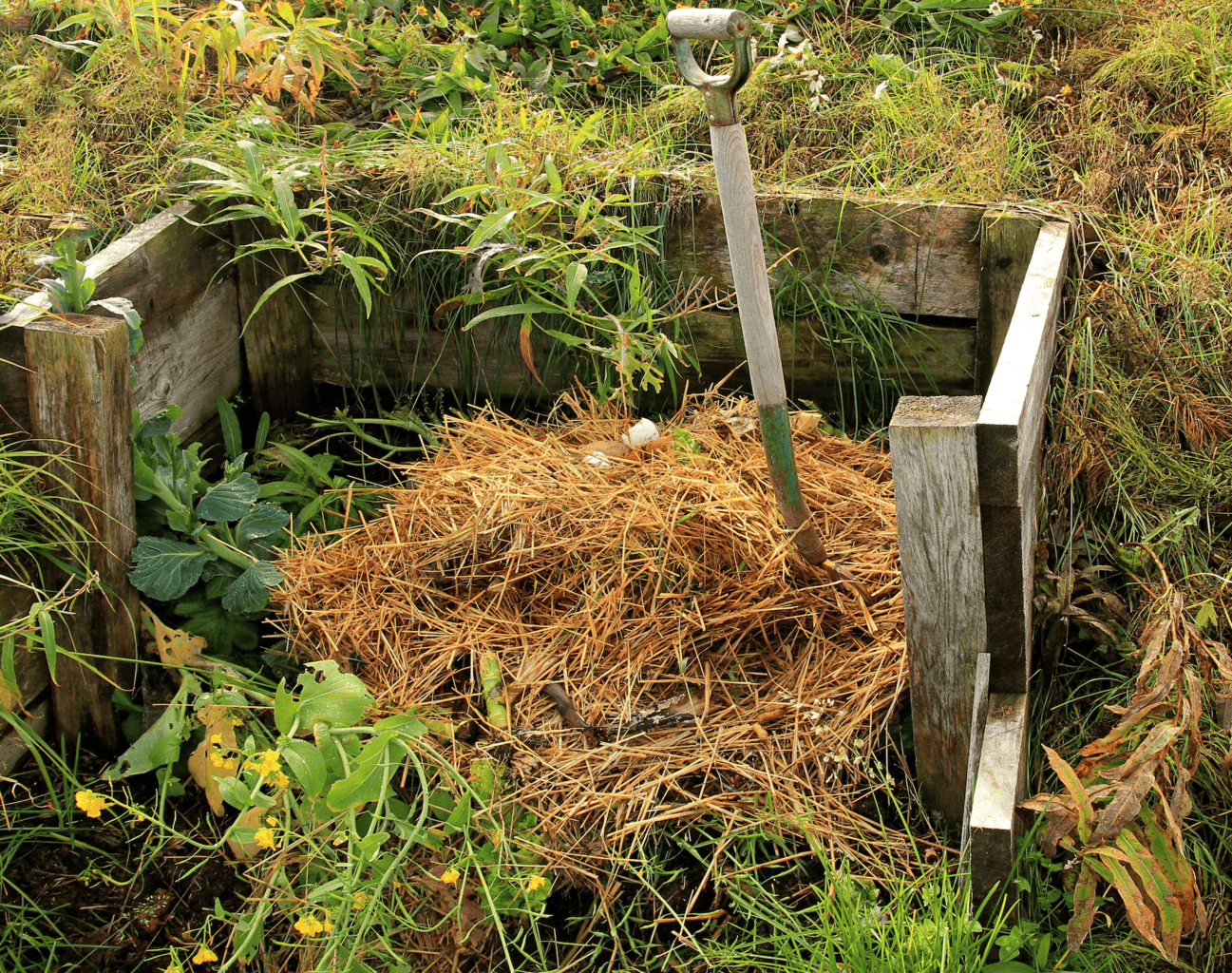
And that brings me to my next spiel.. composting! Compost shouldn’t be an afterthought, it should be something you consider right away when you start gardening.
Kitchen scraps, coffee grounds, leaves, animal bedding, and aged manure from your own flock are all free. Make composting a regular thing you do alongside planting seeds and watering because a lot of those plant problems will start sorting themselves out.
MISTAKE #13: Putting Off Perennials and Fruit Trees
If there’s one piece of advice experienced homesteaders repeat more than anything else, it’s to plant your fruit trees and perennials FIRST.
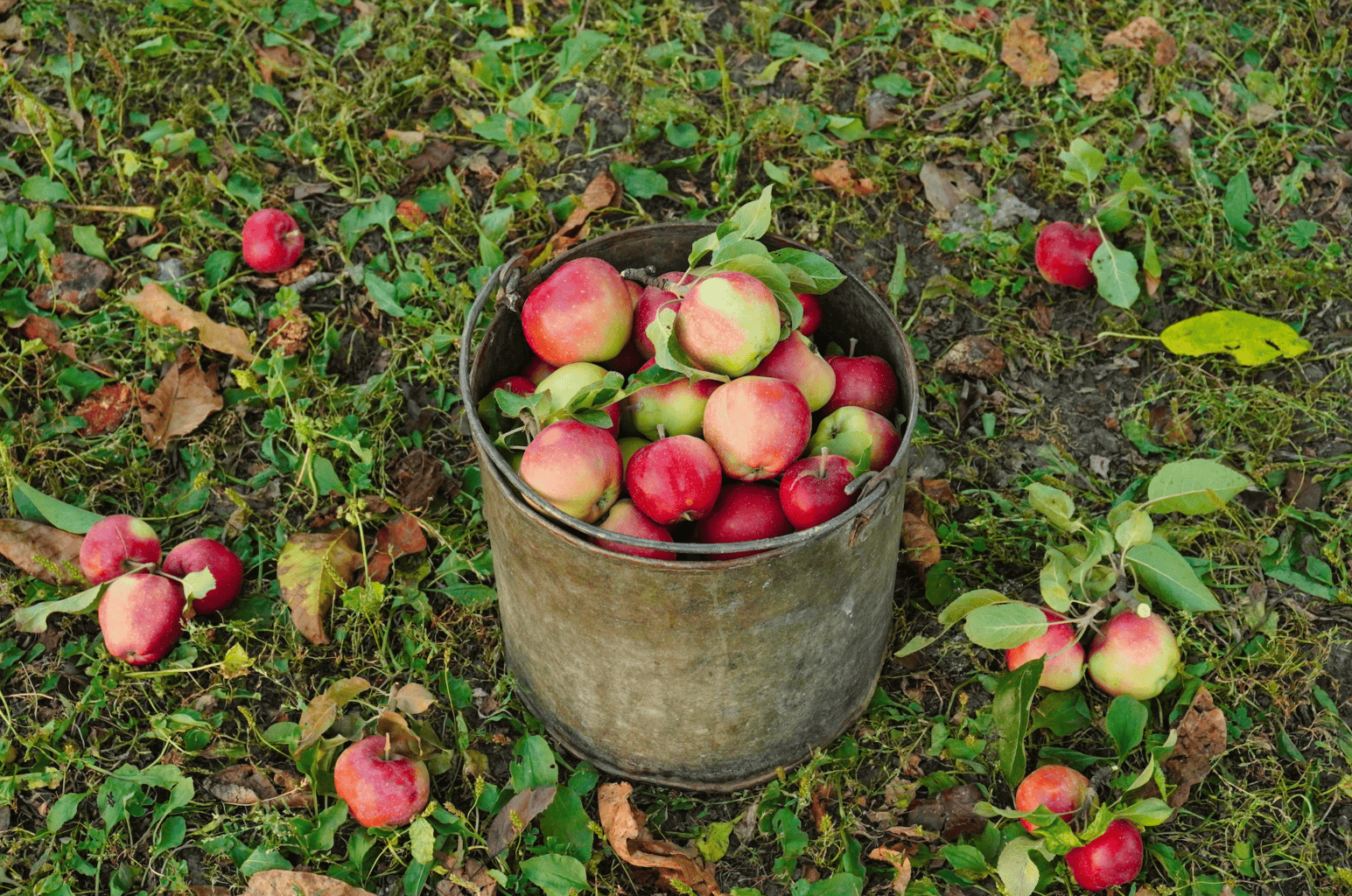
If you’re focusing on annual gardens, you’re looking at a never-ending loop of seeding, transplanting, weeding, harvesting, and starting over. And that’s fine when life is “normal”, but when you have a new baby, if you get hurt, or you’re just having a really busy season or year, your annual garden is probably the first thing that will fall apart.
Perennials and fruit trees like apple trees, raspberries, rhubarb, or asparagus will keep producing with way less work year after year. Of course, most of them take a few years to get going, which is why you want to get to them as soon as possible. Ultimately, every year you don’t plant them is a year of harvest you don’t get back.
MISTAKE #12: Chasing “Perfectly Sustainable”
This one might ruffle a few feathers (pun intended lol), but I think it’s necessary to call out.
A lot of new homesteaders want a completely perfect system right away. They want heritage breeds only, they want to hatch their own meat birds, and pasture everything, and never buy anything ever again. Believe me, I get it, and I wish this was the case!
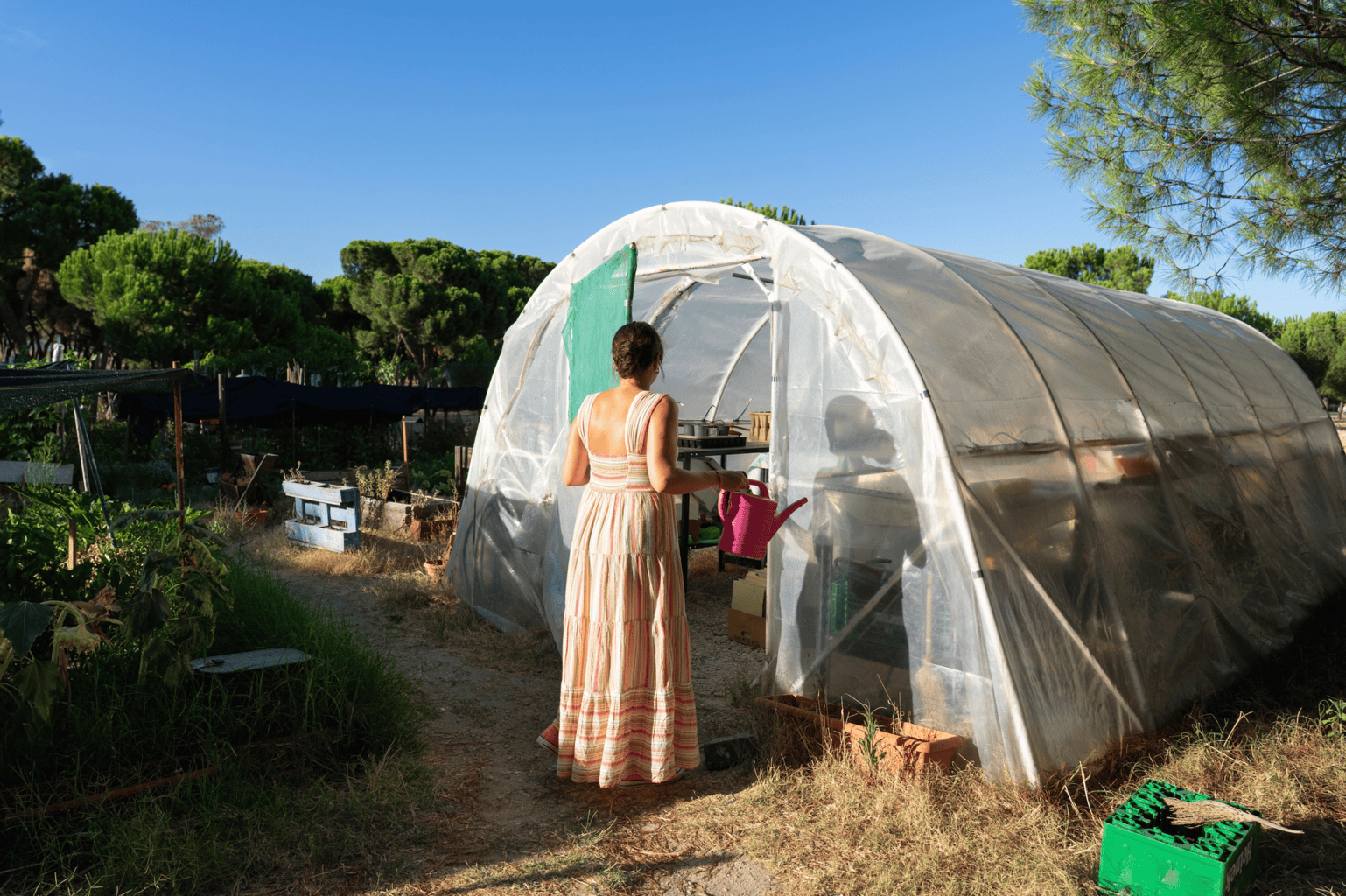
But things take TIME. And you’ll realize that quickly with every new thing you try as a homesteader.
A heritage bird can take 16 weeks or more to reach weight for butchering, and you still don’t get much meat off it. For a busy family that can mean months of chores for a bird that can cover one dinner. On the other hand, you could consider trying things slightly different. Like a Cornish Cross from a hatchery; they are ready in about 8 weeks and they give you way more meat.
The middle ground really comes down to doing things like buying meat birds from a hatchery while also keeping a few broody hens (or an incubator) as a backup plan. Pick what fits your land, time, and family. You can always move toward more self-sufficiency later.
MISTAKE #11: Building the Chicken Coop Too Small
This happens constantly and usually because the chicks arrived before the coop was done and someone threw something together with whatever scrap wood was lying around (ask me how I know this one ha!).
A common rule of thumb is about 4 square feet per hen inside the coop, plus around 10 square feet per bird in the run. So eight hens need roughly a 32 square foot coop; unfortunately, a lot of first chicken coops are half that size.
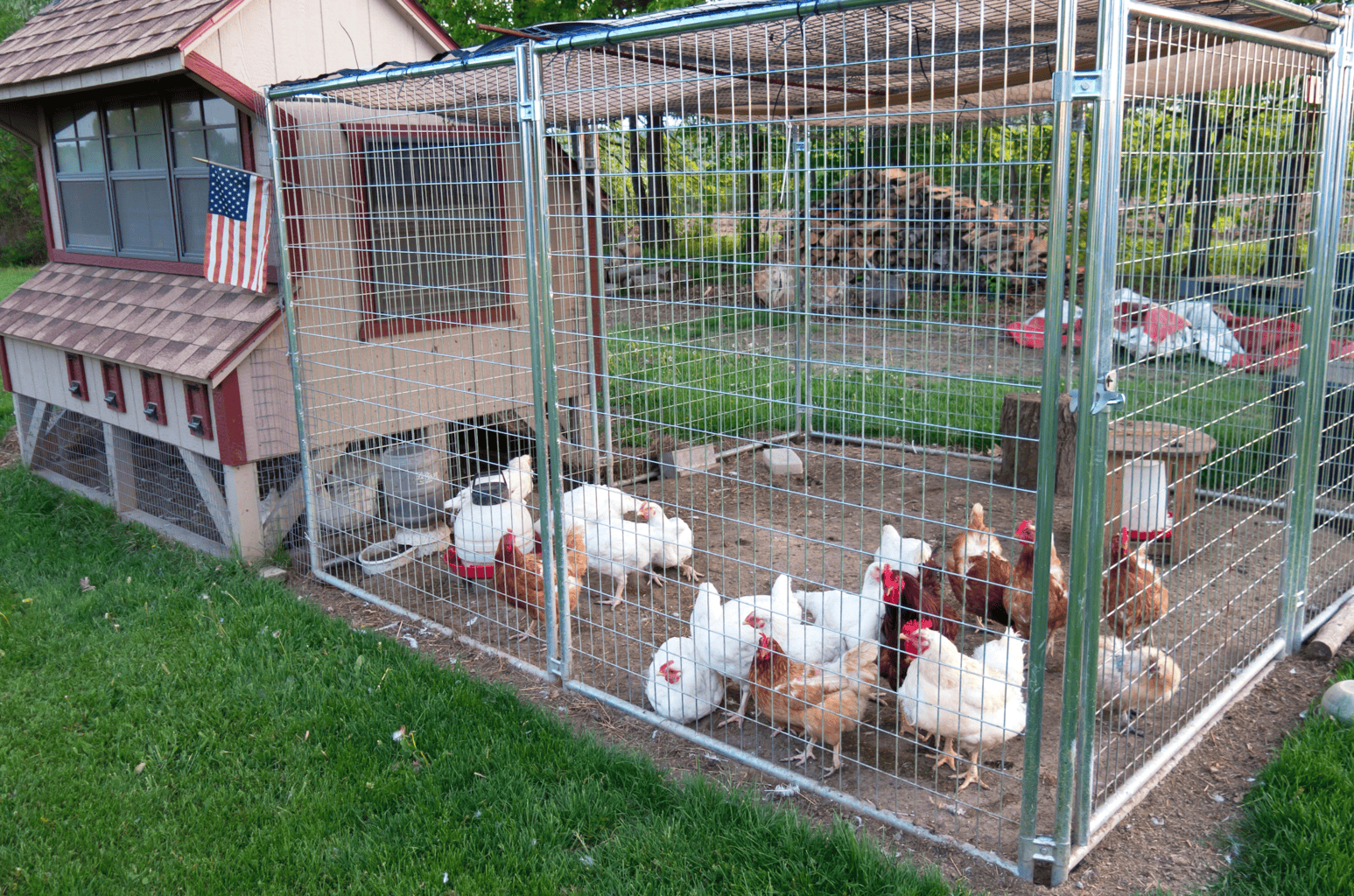
When your chickens are cramped, they get stressed, and stressed chickens start pecking at each other and lay less. And remember, most of us end up with way more chickens than we planned (chicken math is real!). So, build for the flock you’ll have in two years, rather than the six chicks you have today.
MISTAKE #10: Forgetting About Covered Storage
When you’re daydreaming of a homestead, you’re probably not thinking about storage. But ask anyone who has homesteaded through a winter and they’ll tell you there is NEVER enough of it.
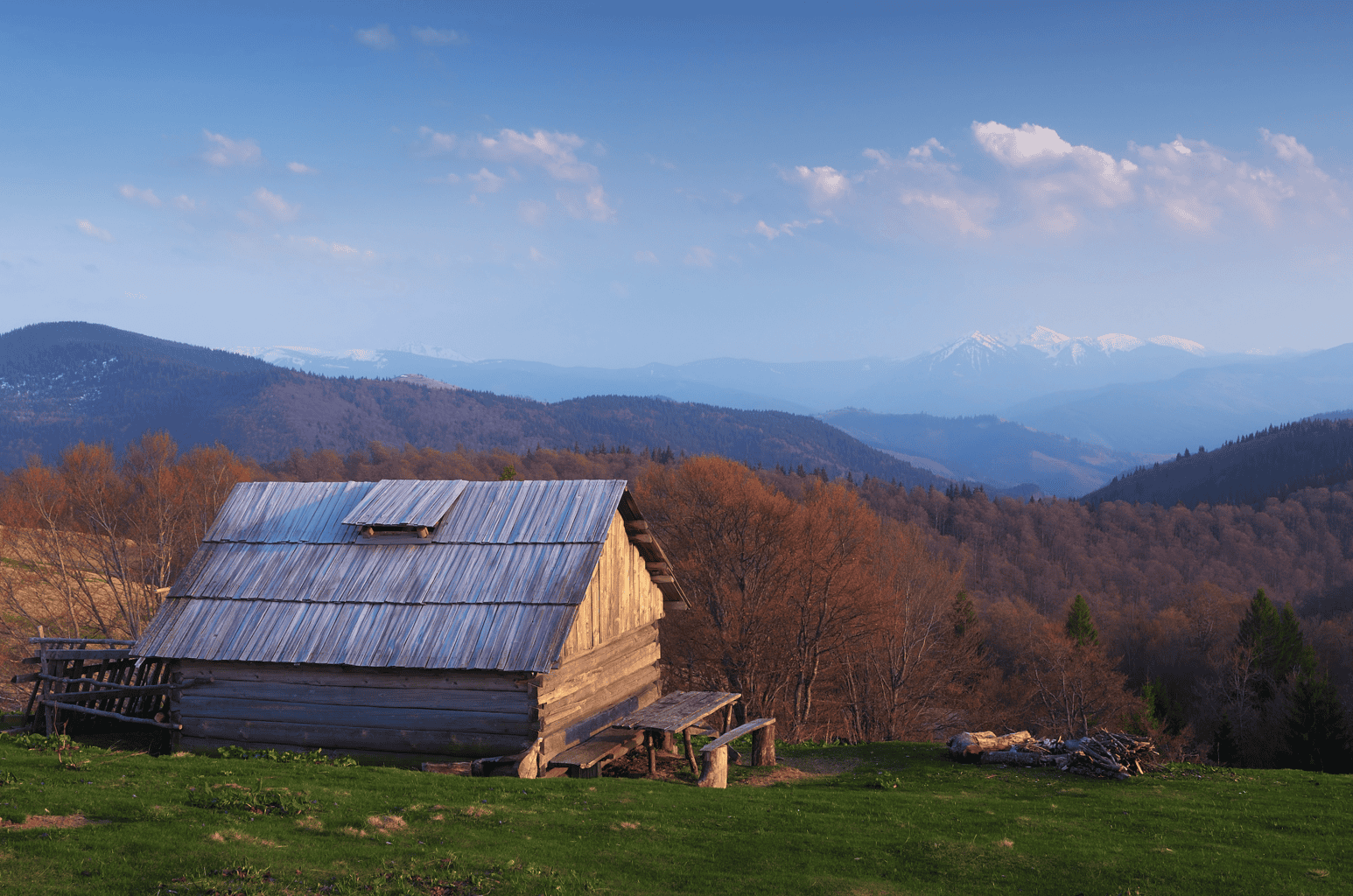
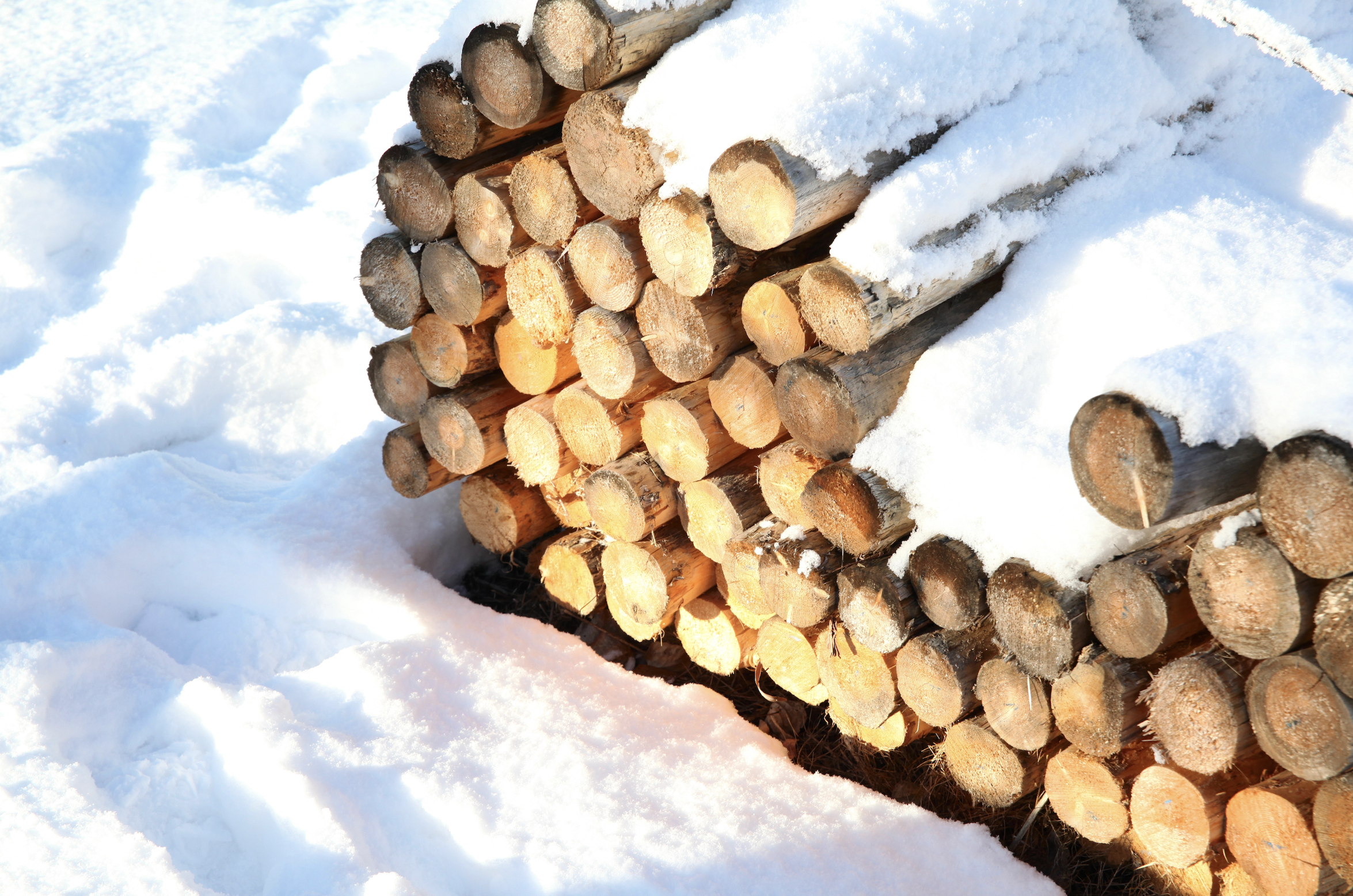
Think about things like tractors, snowblowers, feed, tools, lumber, extra freezers, fuel.. it all needs to be dry somewhere. If you leave it out, you’ll be digging it out of a snowbank. Even worse, those pop-up fabric shelters that people tell you are a “great” solution tend to collapse under heavy snow.
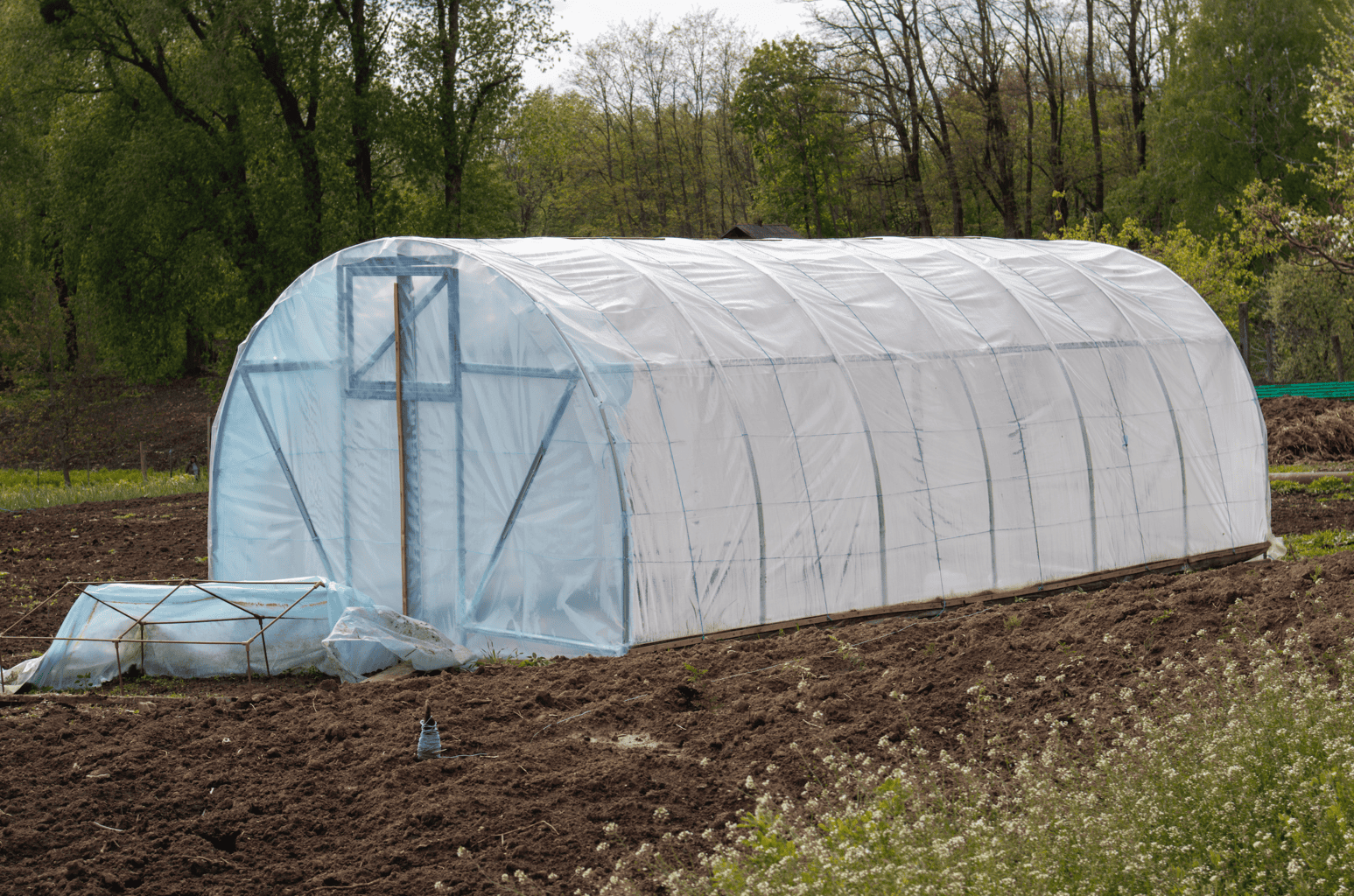
So, plan for real storage early and budget for it.
You should also check the rules too. Where I live, a basic storage-only shed up to about 15 square meters (roughly 160 square feet) usually doesn’t need a building permit, but anything bigger, or anything with plumbing or power generally does.
Therefore, I recommend calling before you start building anything. Zoning setbacks SUCK!
MISTAKE #9: Buying Cheap Fencing You’ll Just Have to Replace
Fencing is one of those issues that comes up so often in homesteading groups that I could write an entire blog post about it.
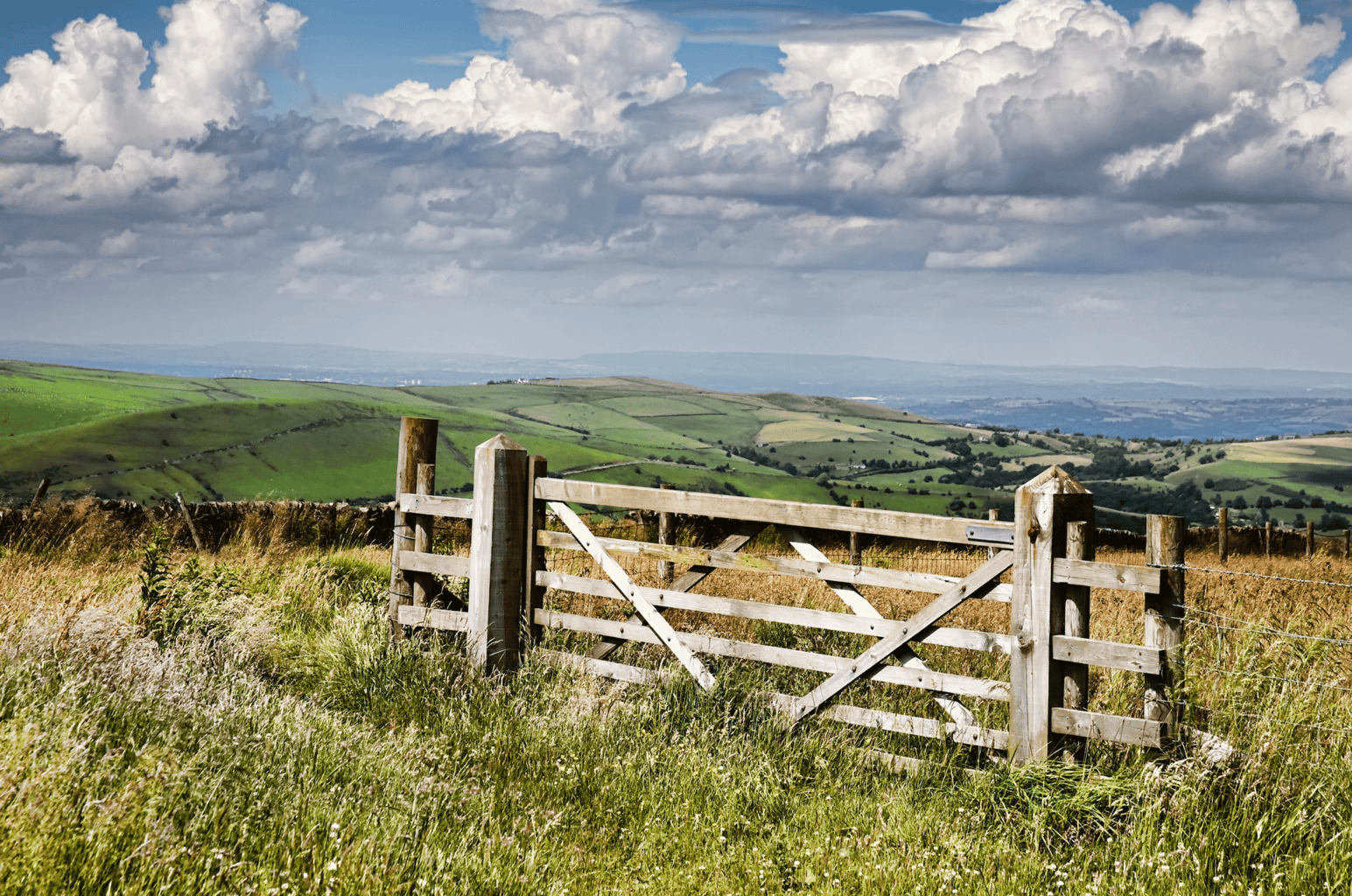
What tends to happen is people start homesteading when money is a bit tight. So they get the cheapest fencing option to keep chickens off the porch. And it works for a while, but then the dog digs under it, the chickens get out, you patch it, you buy more of the same stuff, and eventually you have to replace the whole thing anyway. And now you’ve paid for fencing twice when you could have paid just once.
So whenever you can, wait a little longer and save up for fencing. This is especially true for perimeter fencing because an animal in the neighbor’s yard (or on the road) is a much bigger problem than an animal in your garden.
MISTAKE #8: Bringing Animals Home Before Their Setup Is Ready
I remember the first time we went to our local tractor store and saw the cutest chicks. And instantly I was convinced I wanted to homestead. And that’s true for so many animals.. the piglets could be on sale or your neighbor’s goat needs to be rehomed.. and then you just have animals and nowhere to put them.
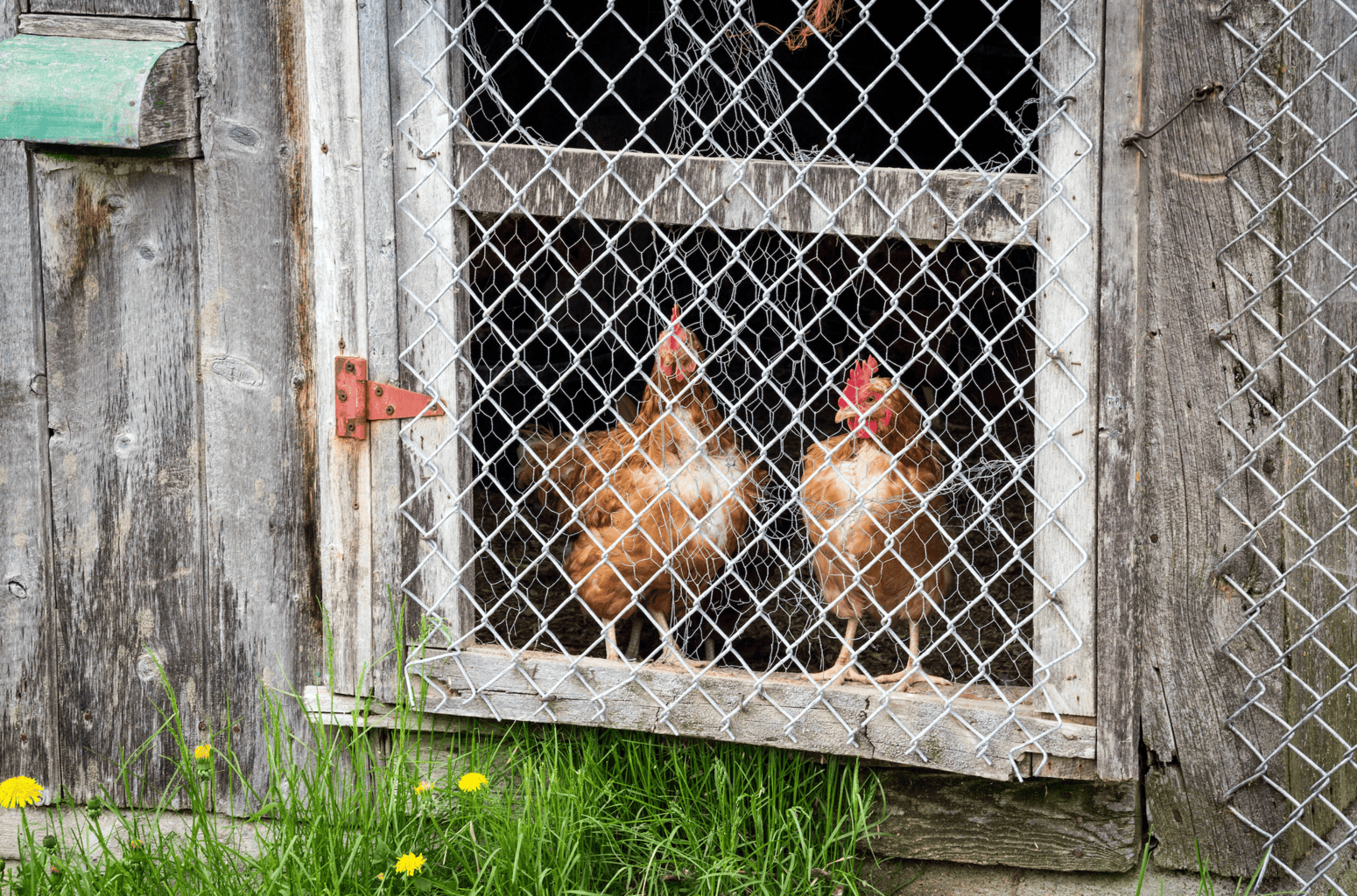
Before you buy any animals, have everything they need ready including housing, fencing, waterers, feeders, and a brooder for chicks. If you use moveable electric netting, remember you’ll need extra sections so you can set up the next paddock before you move them.
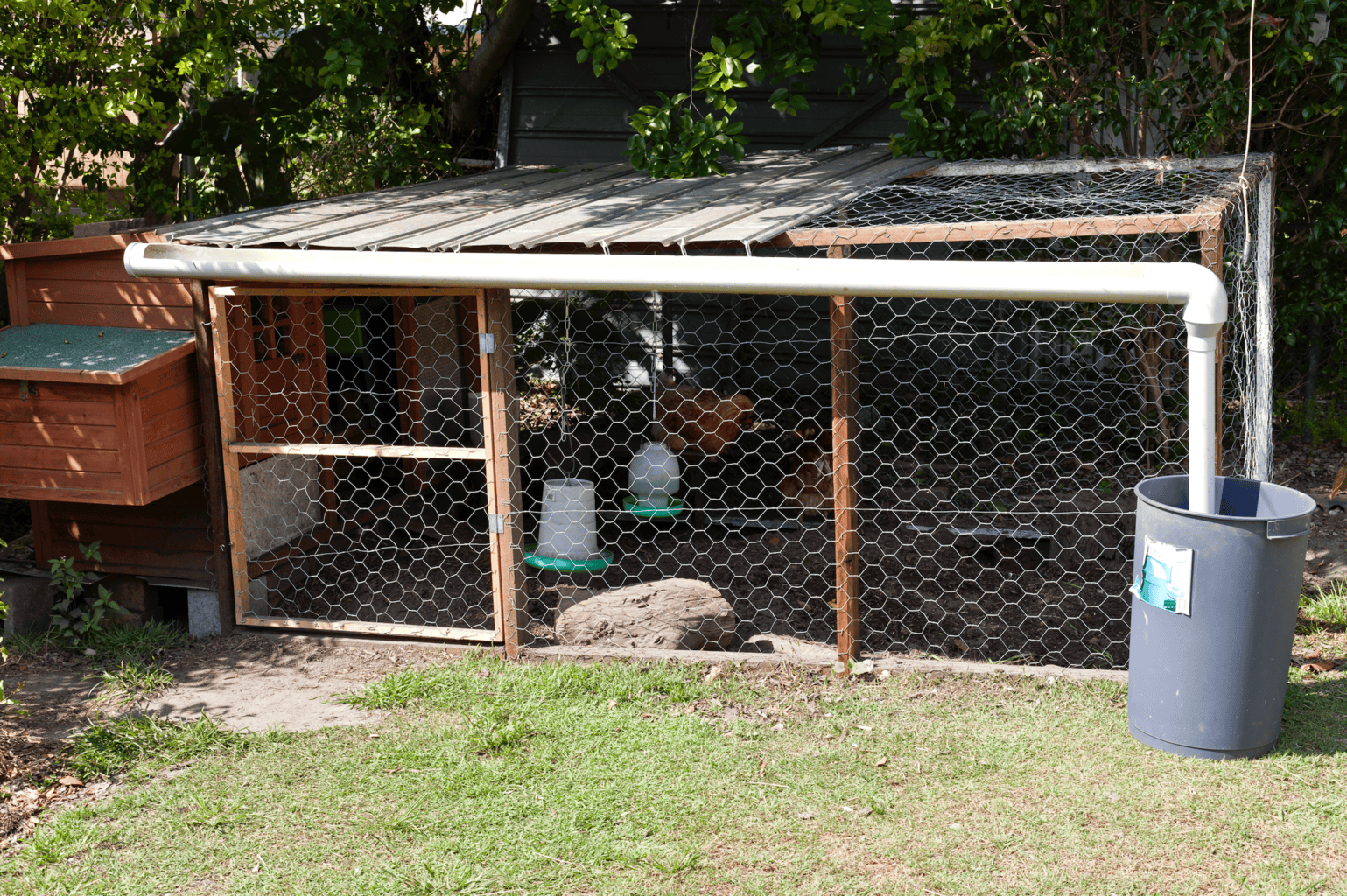
It takes some of the spontaneity out of it, which I’m ALL about, but learning to raise a new animal is SO much more enjoyable when you’re not scrambling to build a shelter in the rain at 9pm.
MISTAKE #7: Not Planning Your Feed for the Whole Year
Keeping up with feed can sneak up on you. What tends to happen is you order a big tote of it and feel great about it, and then realize halfway through that it’s not going to last until the next delivery.
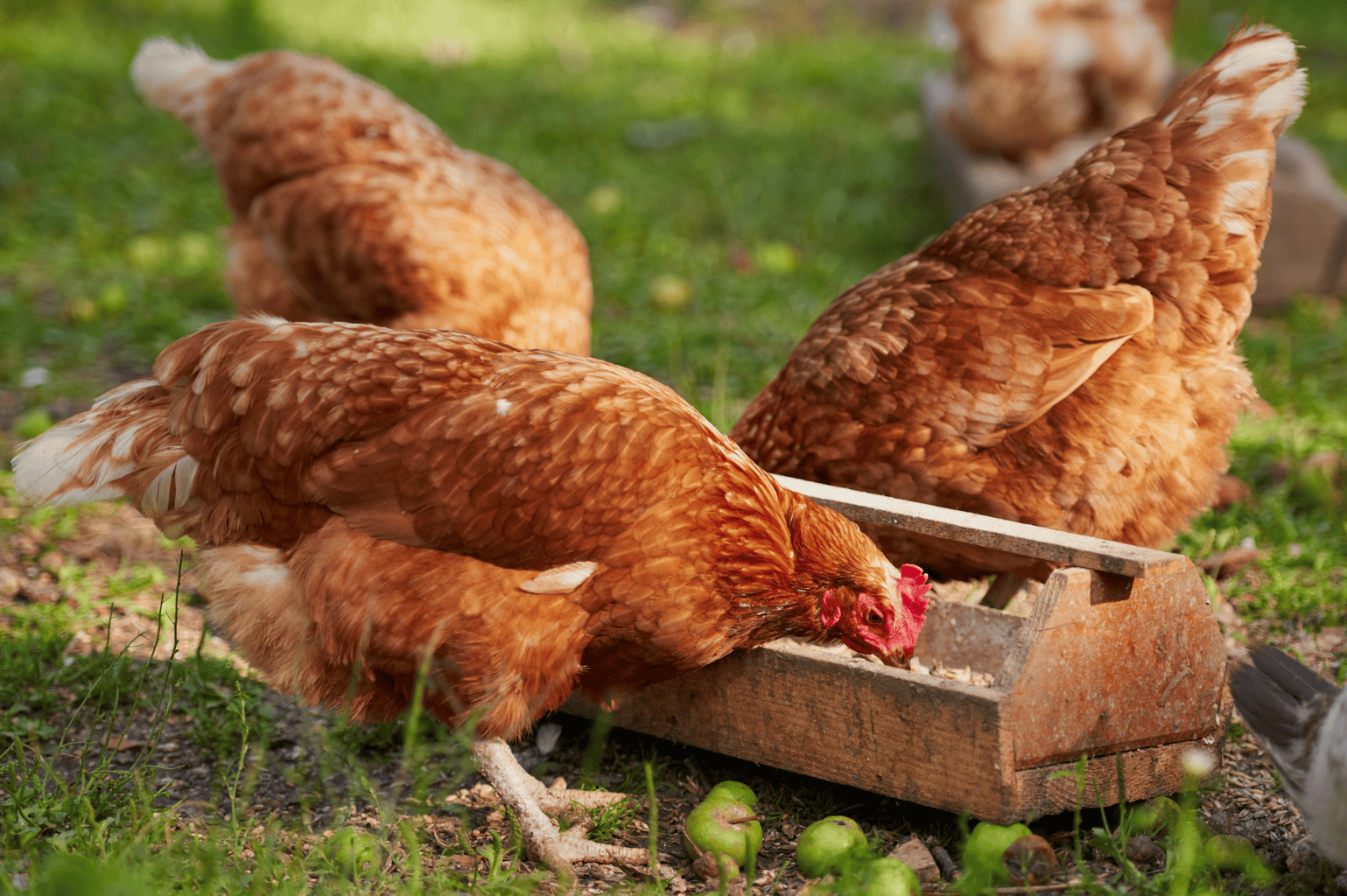
So before you bring any animal home, map out how much it will eat for its entire life on your homestead, that way you aren’t surprised when you need more.
And if you’re keeping grazing animals like goats, sheep, or a cow, you need a solid plan for winter hay. In many places, grass stops growing for a big chunk of the year, and hay prices can jump fast after a dry summer, which has been happening more and more frequently in recent years.
Pro Tip: Line up your hay supplier in summer and store more than you think you’ll need because running out in March is stressful and expensive.
MISTAKE #6: Spending All Your Homestead Time on Chores
Let’s say you’ve got about 10 hours a week for your homestead.. Well if 9 of those hours go to feeding, watering, mucking, and weeding, you have almost nothing left for things that make life easier like fixing the waterer that leaks or building a better gate or planning for next season. Sometimes even just organizing the shed can help you from losing the fence pliers every week.
One of the smartest rules of thumb I’ve heard is to aim for roughly half your time on daily chores and half on improvements and planning.
MISTAKE #5: Trying to Do It All Alone
Homesteading can be an isolating lifestyle. Animals need care every day, which makes vacations and time away pretty tricky.
The homesteaders who stick with it long term almost always have support like a neighbor who can check on the chickens or a friend who is willing to show up for butcher day. And even more important, someone you can call when a goat is acting weird at 11pm.
If you’re new to an area, go to the farmers market and talk to the vendors. You can also visit local farms or join a local homesteading or 4-H group.
In our experience, farmers are really generous with advice.. people will happily tell you which feed they use, which fence energizer recommend, and who to call for processing. And please don’t be too stubborn to accept help when it’s offered because we’ve all been there!
MISTAKE #4: Having No Backup Plan for Water and Power
Water is the single most important resource on a homestead (and Earth lol). Your animals need it every day no matter the season.
If you’re on municipal water or a single well pump, ask yourself what happens if that source goes down for a few days. Drilling a new well in where I’m at typically runs somewhere around $10,000 to $20,000 or more depending on depth and ground conditions, and there’s no guarantee you’ll hit great flow.
Rainwater catchment is often a much cheaper backup if your area gets decent rainfall (just plan for freezing in the winter) and if it’s allowed in your area.
Power is the other thing to consider. Rural areas lose power a LOT, especially during winter storms. A good-sized generator (and enough fuel stored to run it) can keep your freezers, water pump, and heat lamps going. Solar and battery backup are pricier, but they’re worth looking into, too.
Ultimately, this is always on my radar because we have a freezer full meat, and that’s an expensive thing to lose.
MISTAKE #3: Underestimating How Much Time It Takes
Homesteading is an every day hobby. Your chickens need to eat rain or shine, no matter what day it is.
And daily chores are only part of it because there’s also planning when animals arrive, how long they’ll be in the brooder, when they move outside, and when they get processed. Butcher day itself can be a full day (or more), and then there’s cutting, packaging, and maybe canning on top of that. Add in garden weeding, harvest season, and preserving, and your calendar is going to fill up fast.
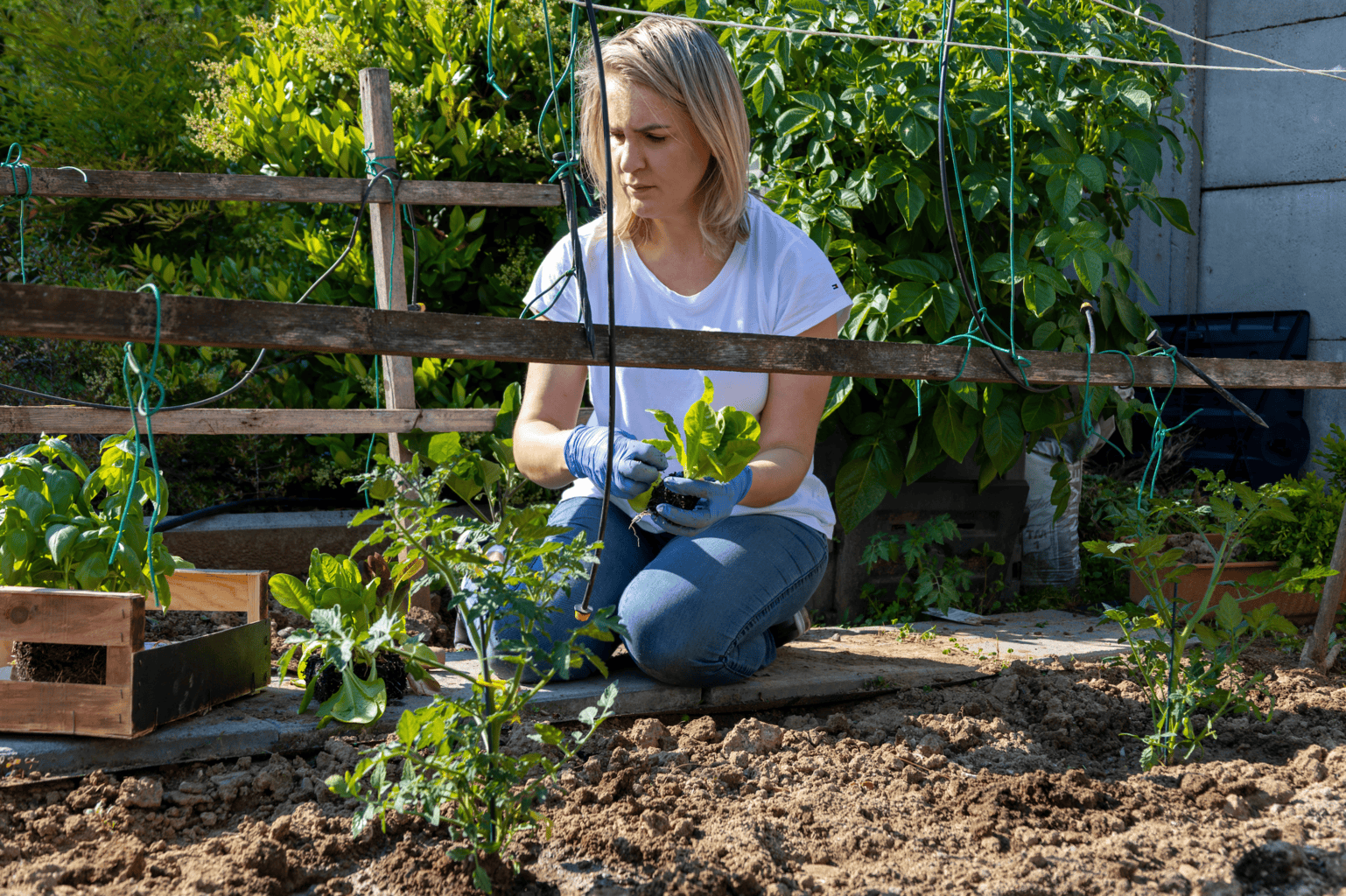
If you and your partner both work full time off the homestead, please be honest about the time you have to invest in this. I so often see people jump in without considering the time it takes and then having to rehome their animals becuase of it.
MISTAKE #2: Buying the Wrong Piece of Land
This mistake is hard to undo; if you buy the wrong piece of land, you’ve already purchased it.. it’s not as simple as building a new chicken coop.
So here are some things to consider about land before purchasing:
- Distance from town: Being way out in the boonies sounds amazing until you’re driving for an hour for a bag of feed. A lot of people find the sweet spot is on the edge of town where they are close enough to groceries and a hardware store but they’re also not in the suburbs.
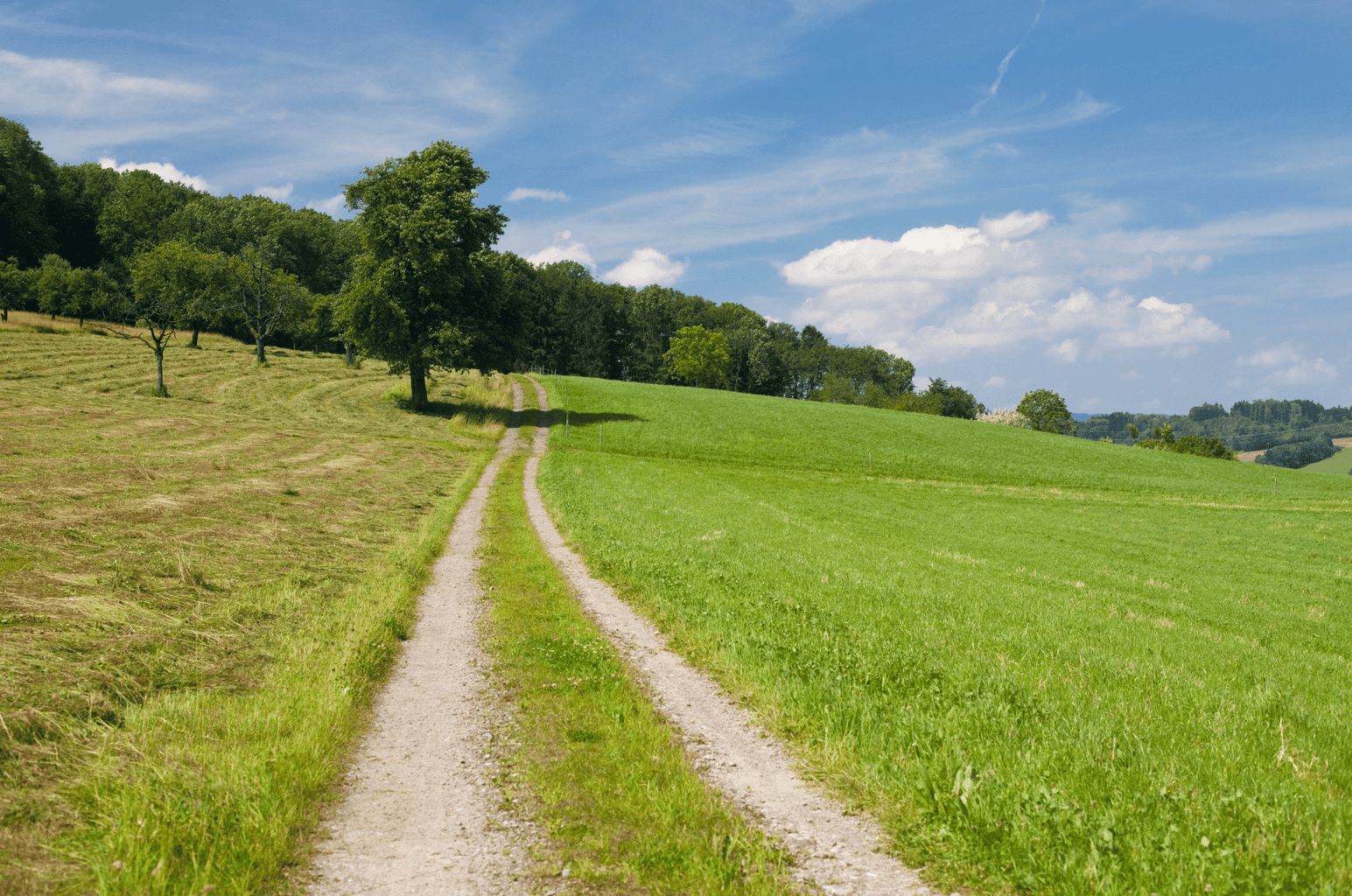
- Sun and slope: In the northern hemisphere, a north-facing slope gets a lot less sun, especially in winter, and that’s tough on gardens and on your heating bill. South or east-facing land is usually a better bet.
- Trees: Mature trees give you so many resources including shade, windbreaks, and firewood, and they take decades to replace. You can always clear some, but you can’t speed up the growing process.
- Water and drainage: Walk the land you plan to buy after a heavy rain or during spring melt if you can. This will help you check the flood plain, and ask about existing wells and septic before you buy (and get quotes if they don’t exist yet).
- Zoning and bylaws: Some rural properties still have restrictions on livestock, outbuildings, or what counts as a dwelling, so call the township before you buy.
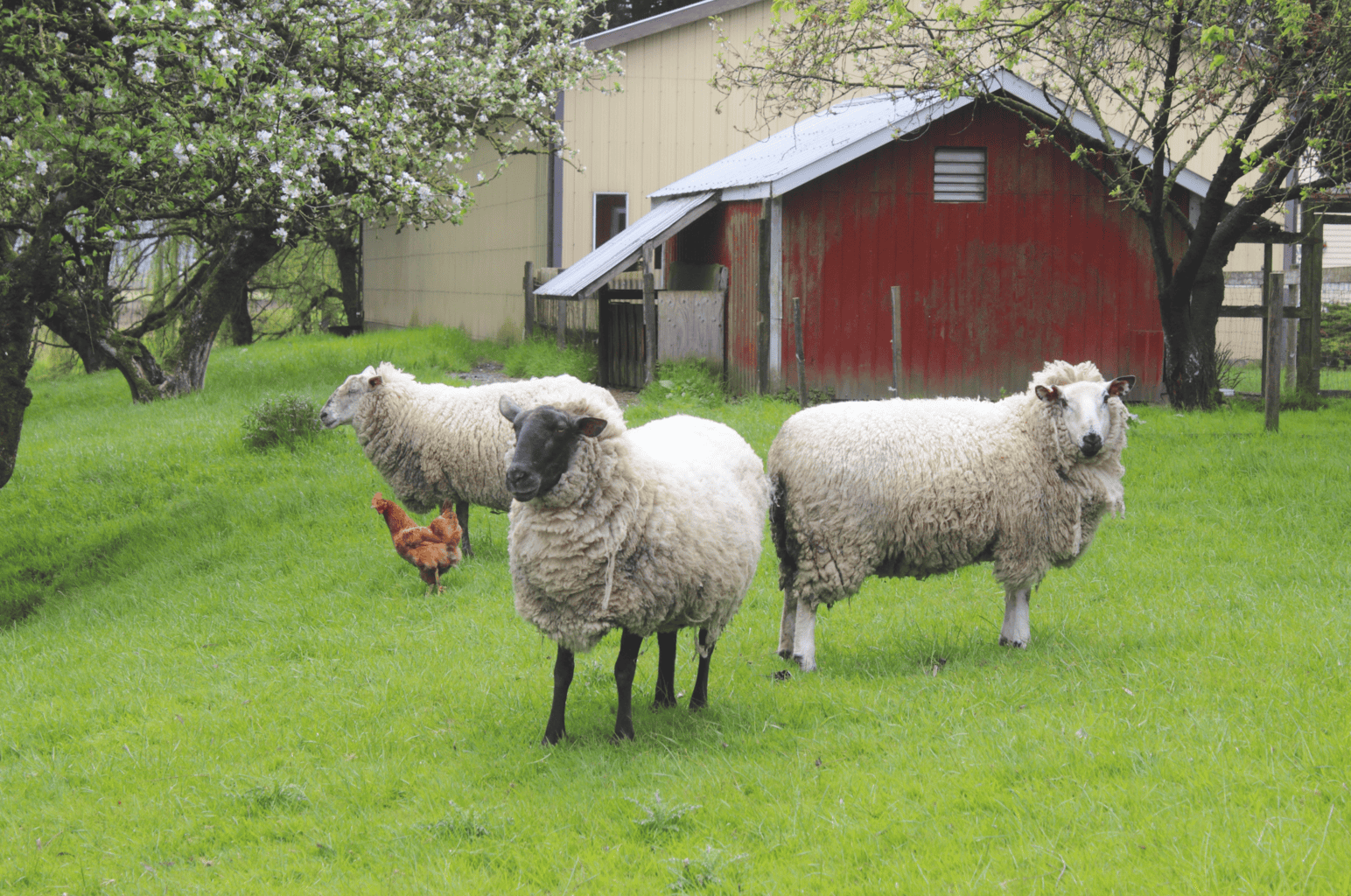
- What the land was used for before: If you buy old farmland, it could have been sprayed heavily for years. Or if the land is near industrial sites that can come with soil problems.
- Resale value: Life changes, we all know, so make sure it’s a property you could sell someday if you needed to.
And please, don’t buy the first property you see just because you’re excited. Look at a bunch of them.
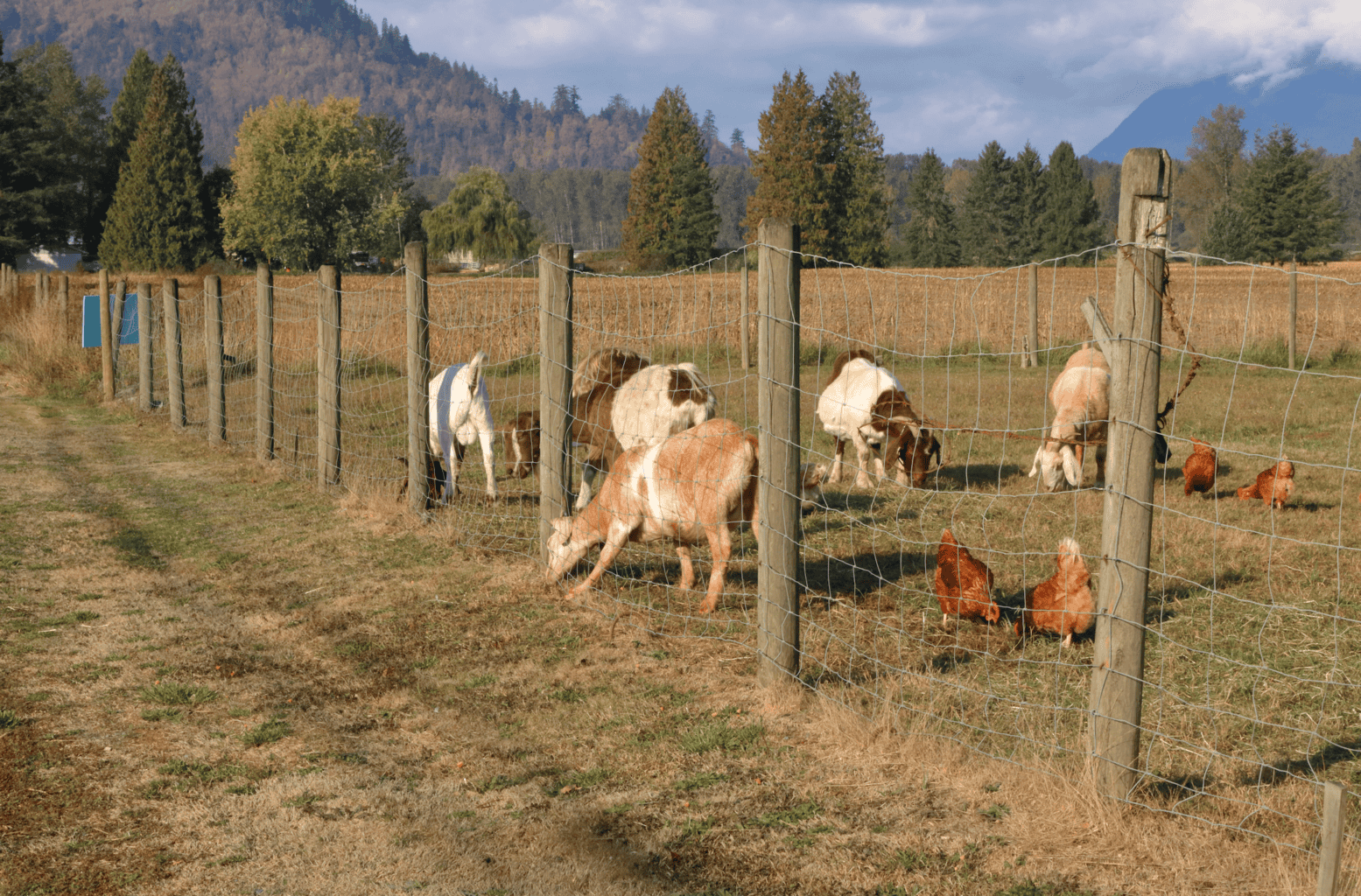
MISTAKE #1: Starting Too Big, Too Fast
This is the mistake almost EVERY homesteader admits to making, and it’s the most important one of all.
So let’s say you finally have your land, and you want to dive in with everything: chickens, ducks, pigs, goats, sheep, bees, a huge garden, an orchard, a barn.. and you want to do it all in the first year.
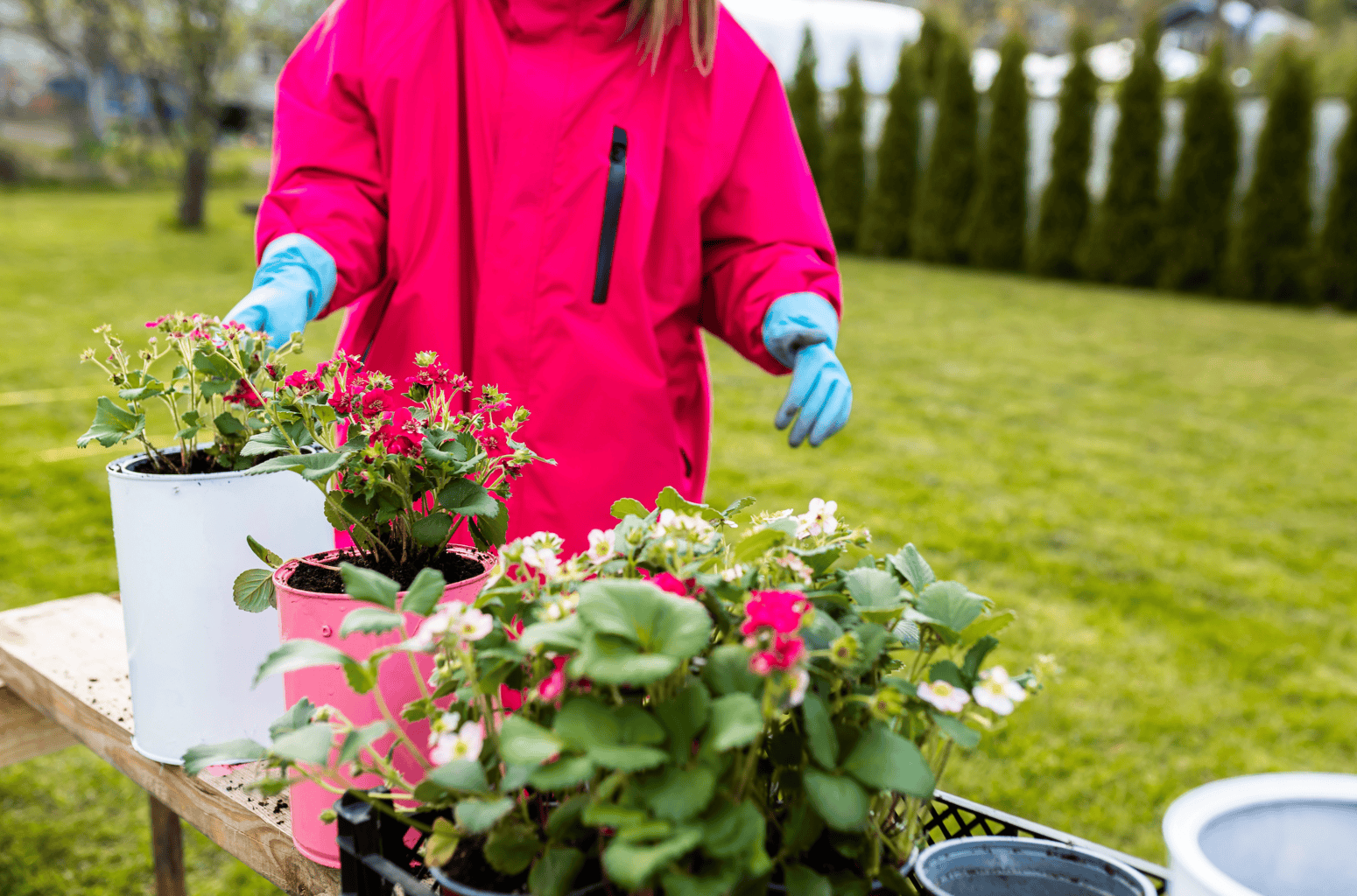
But every one of those things I just listed is its own project with its own learning curve, costs, and daily chores. So if you try to do them all at once, you’ll probably end up quitting a lot of them because burnout hits.
We’ve heard about homesteaders who ended up with a dozen different animals on an acre or two, working sunup to sundown just to keep everyone fed, and barely breaking even on any of it. Not ideal.
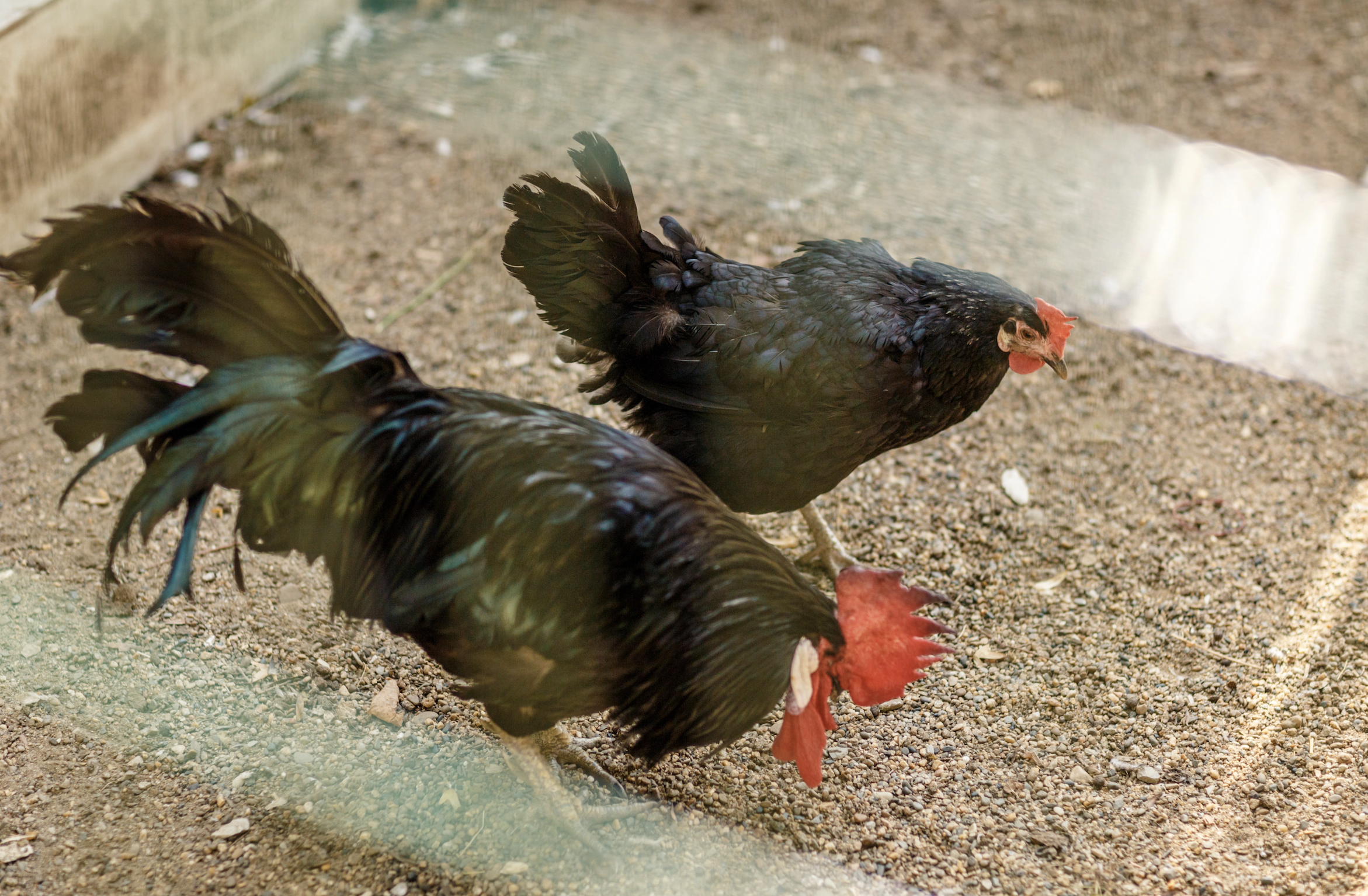
So the fix is to start with just a couple of things like a garden and a small flock of laying hens, and get good at them. Then add one new thing per year and master that before moving on to the next thing.
Final Thoughts
You’re going to make mistakes on your homestead because everybody does. And some of the best lessons come from the things that went really poorly.
You don’t need to be perfect, just dodge the expensive and avoidable ones so you have more left for the parts you love.

Erie is the owner and author of Everywhere Ontario. She’s lived and traveled around Ontario for over 30 years, visiting small towns and big cities from the shores of Lake Erie to the crisp northern air of Hearst along the Trans-Canada Highway. She is passionate about maximizing fun and supporting local tourist businesses and is always looking to provide the best recommendations to her fellow Ontario travelers. Read more about Erie here.