
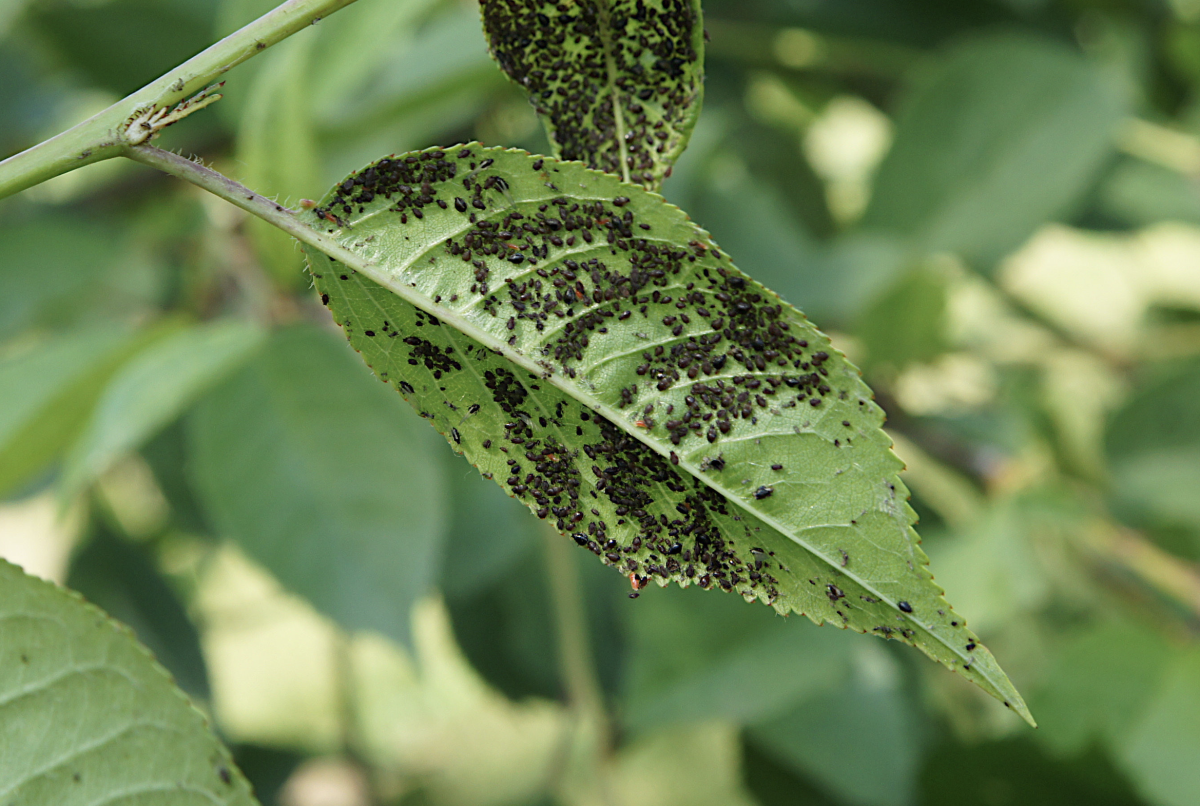
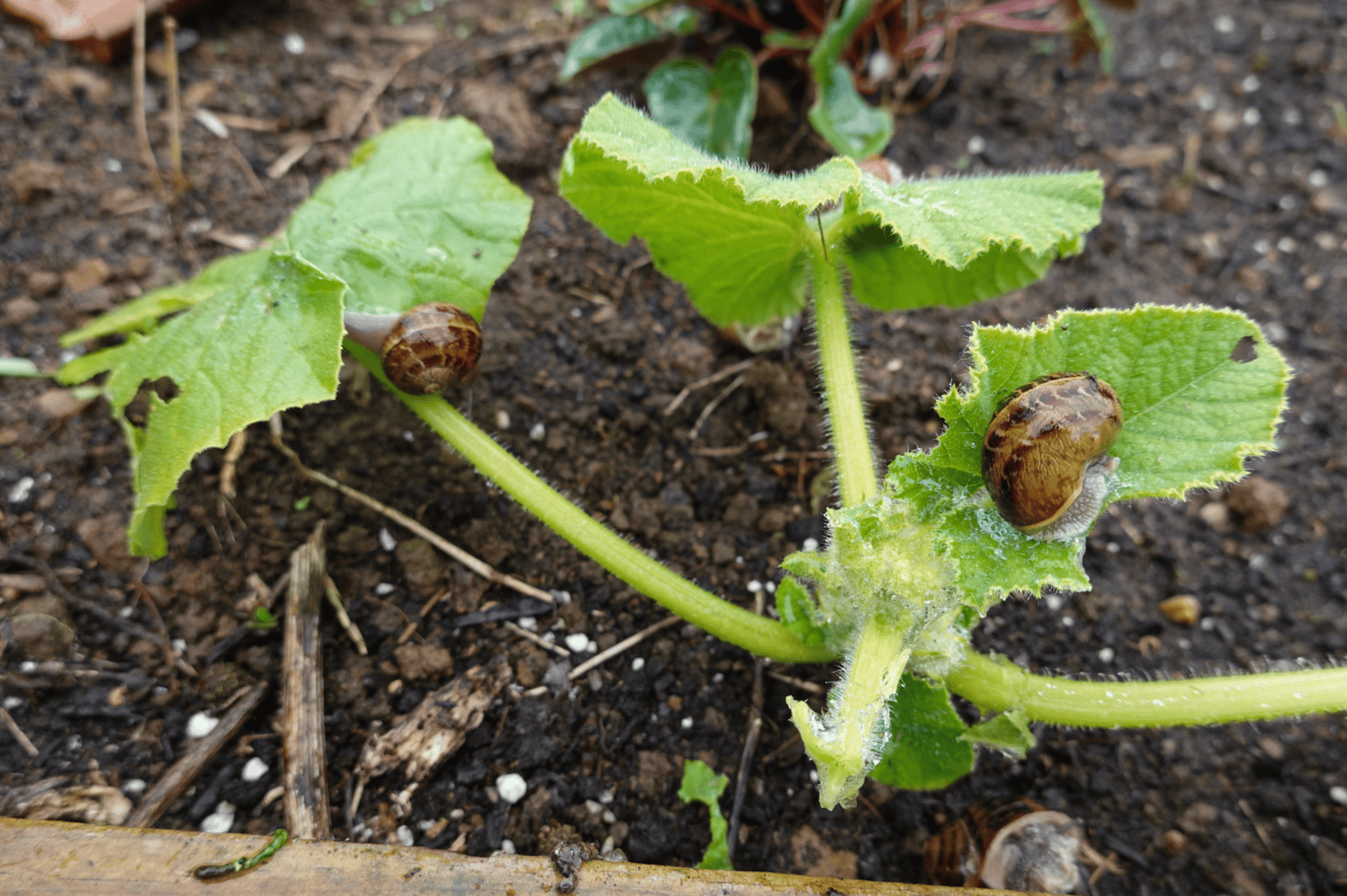
If you’re seeing your tomato leaves chewed through and a bunch of aphids invading your pepper stems, you’ve got yourself a little problem.
A lot of people will just spray everything down and hope that will take care of the problem. And it might for a week or two, but those critters WILL be back (ask me how I know 🙄).
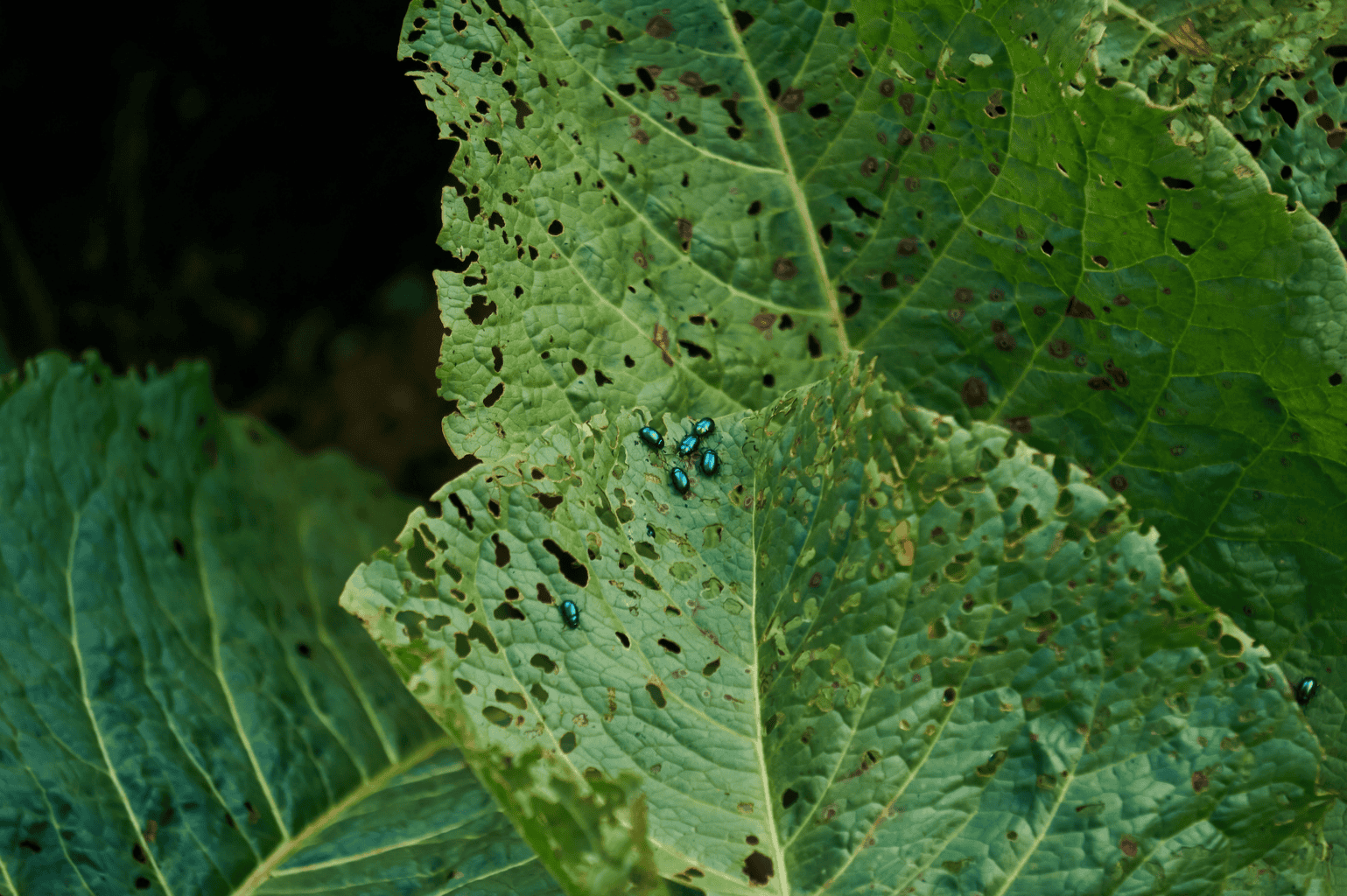
So if you really want to get rid of the garden pests for good, I’ve got some preventative recommendations that will help protect your plants before you ever see any creepy crawlers.
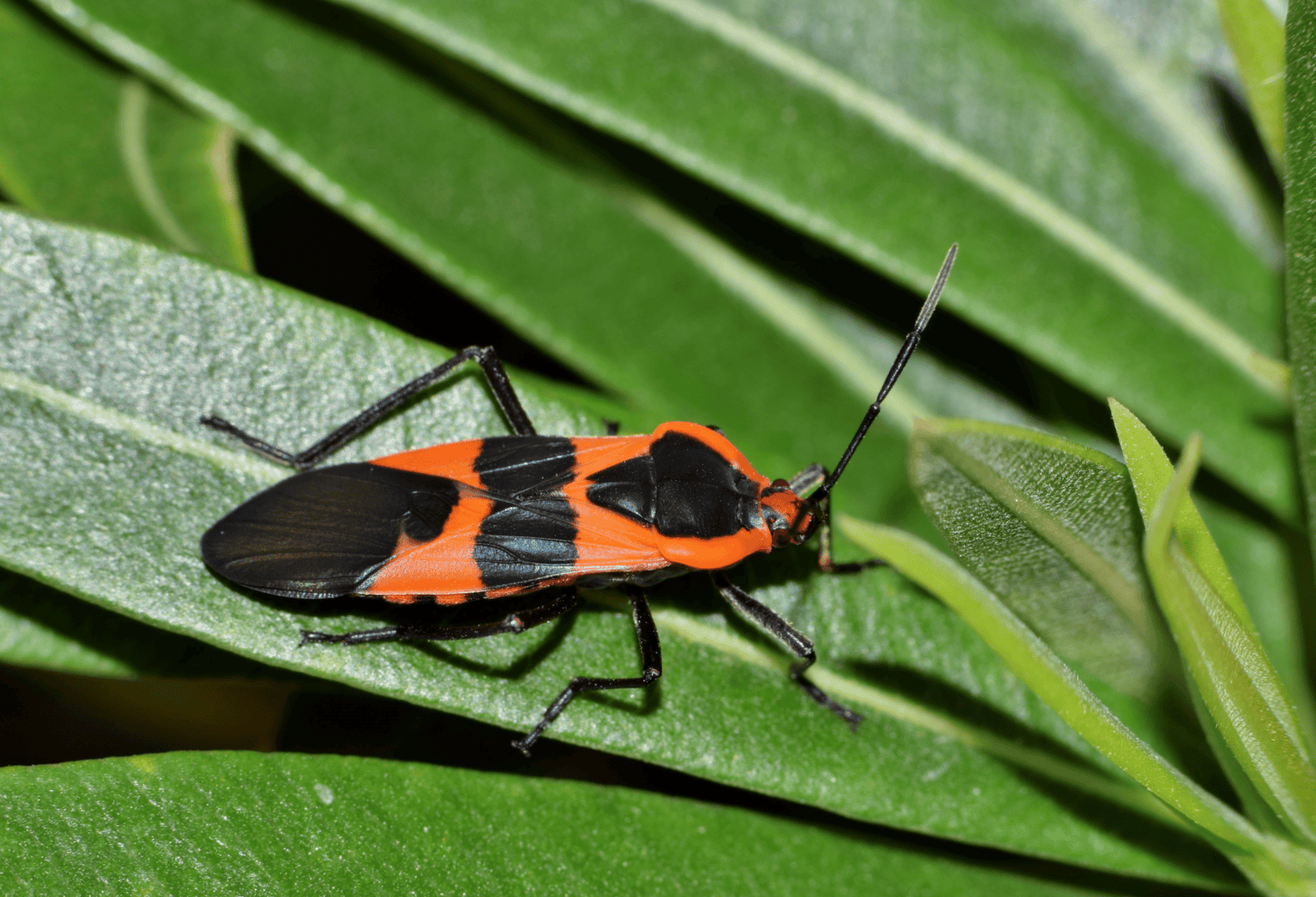
My recommendations below are in order, so start with the first option and work your way down. You may have seen a few of these and you might already be doing them, but I guarantee there will be something on the list that will help you protect your garden long-term.
1. Build your own soil and keep it up
My first recommendation is to compost. I know, I know, you probably aren’t here to read about how you should be composting, but hear me out..
Stressed plants are easy targets whereas plants with strong root systems are biologically stronger and can recover from pest attacks quite easily.
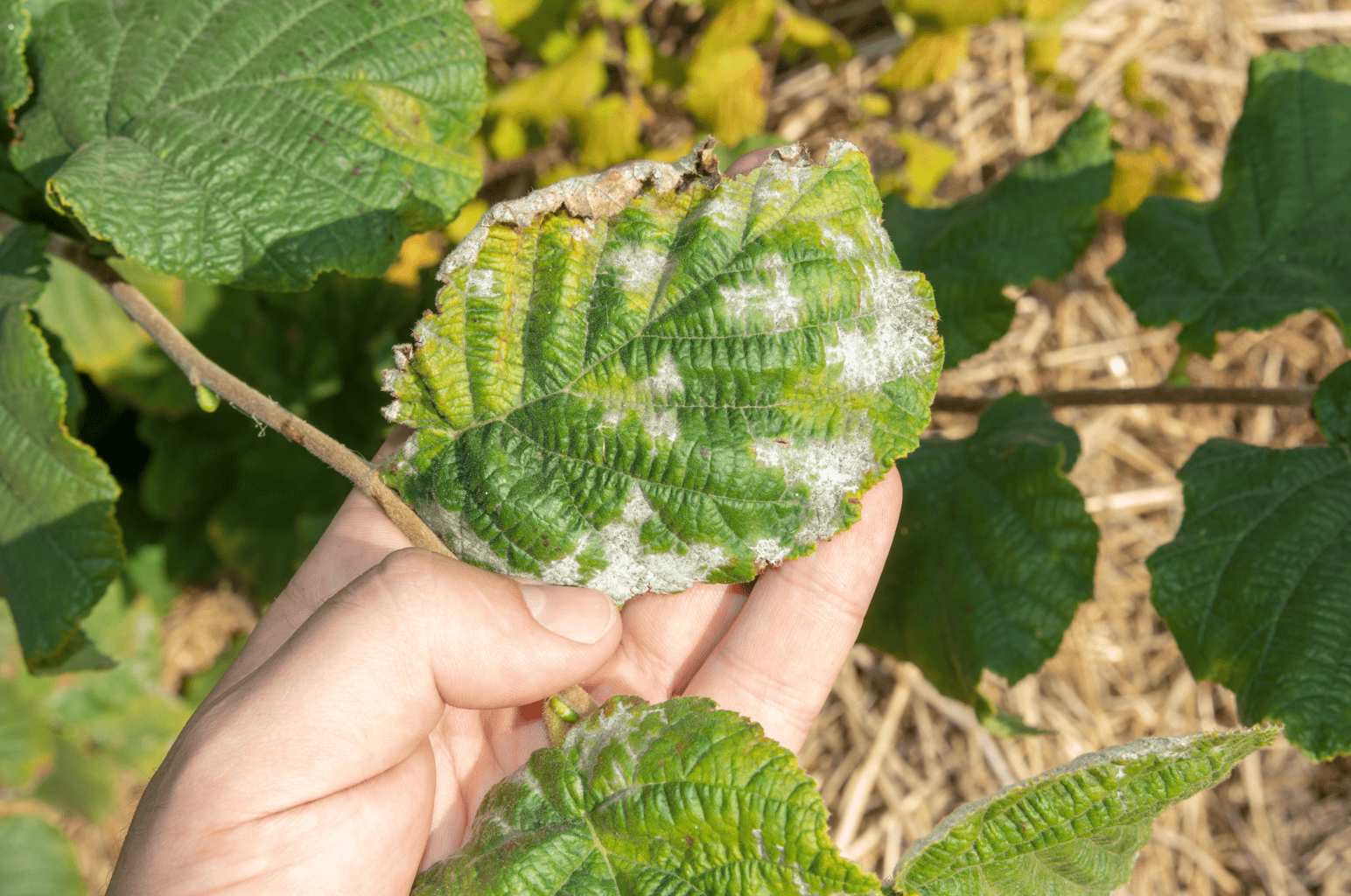
To set yourself up for success, spread 2-3 inches of well-aged compost across your beds each spring; work that into the top 4-6 inches of soil. It’s even better if you can include aged manure because it’ll build a more diverse soil, but obviously this isn’t possible for everyone.
The important part of all of this is that you are actually doing this once per year. I see a lot of people who will do this once and think that’ll help sustain their beds. But truthfully you won’t see much difference the first season. It’s about continued composting. Year two or three is when people usually notice their plants becoming much healthier.
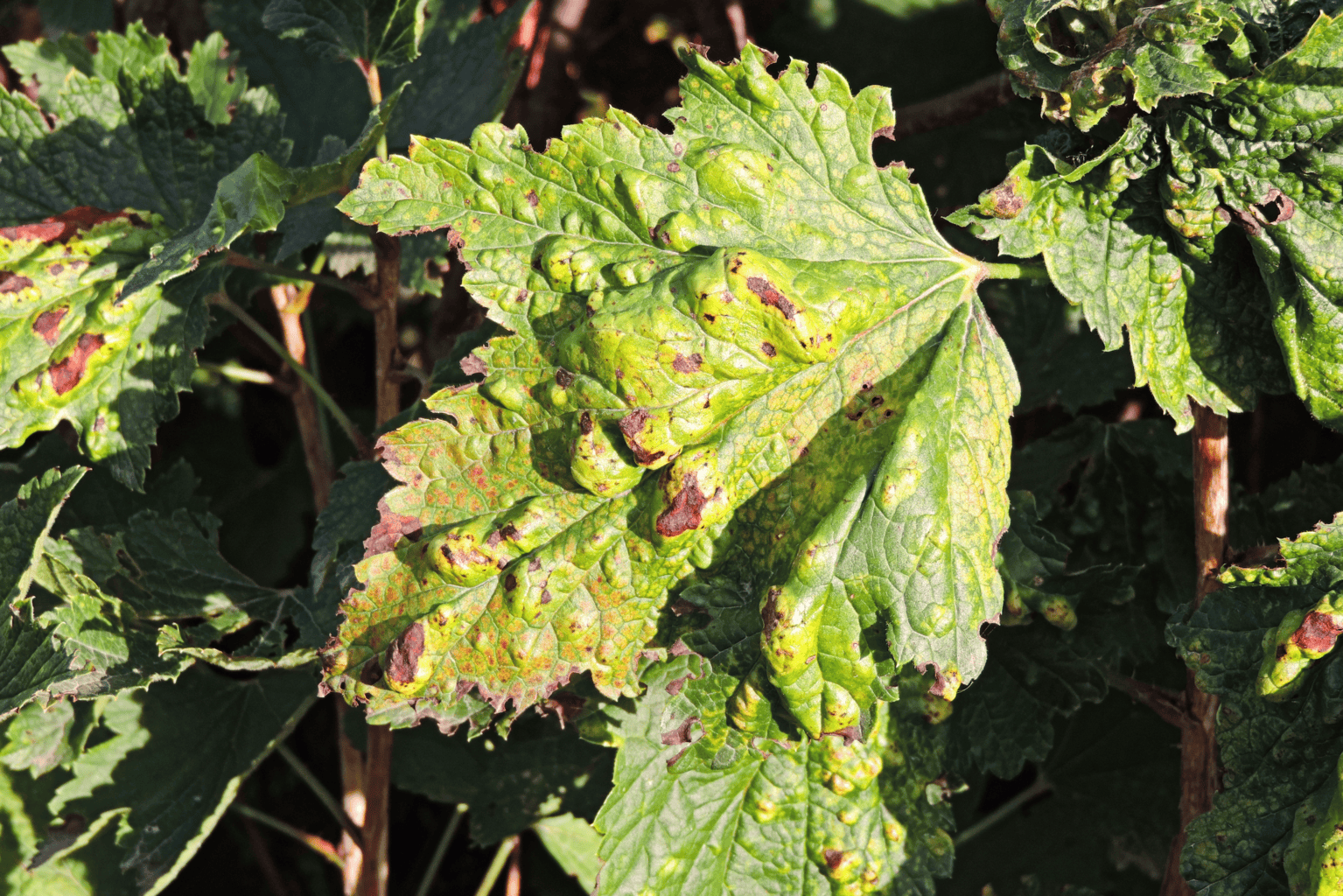
IMPORTANT NOTE: Be sure to take care where your manure comes from because certain herbicides can get through animal’s digestive systems and withstand the composting process. Those herbicides will either stunt or kill your plants, so be sure to ask the farmer whether their hay gets sprayed before you ever use it.
2. Don’t plant in single-crop rows
I know that it looks clean and organized when you plant your crops in long, single rows, but beds like this are more susceptible to pests. The reason for this is that pests find the plants they’re looking for by smell, and if all of your plants are planted together, it’s easy for them to get a smell signal.
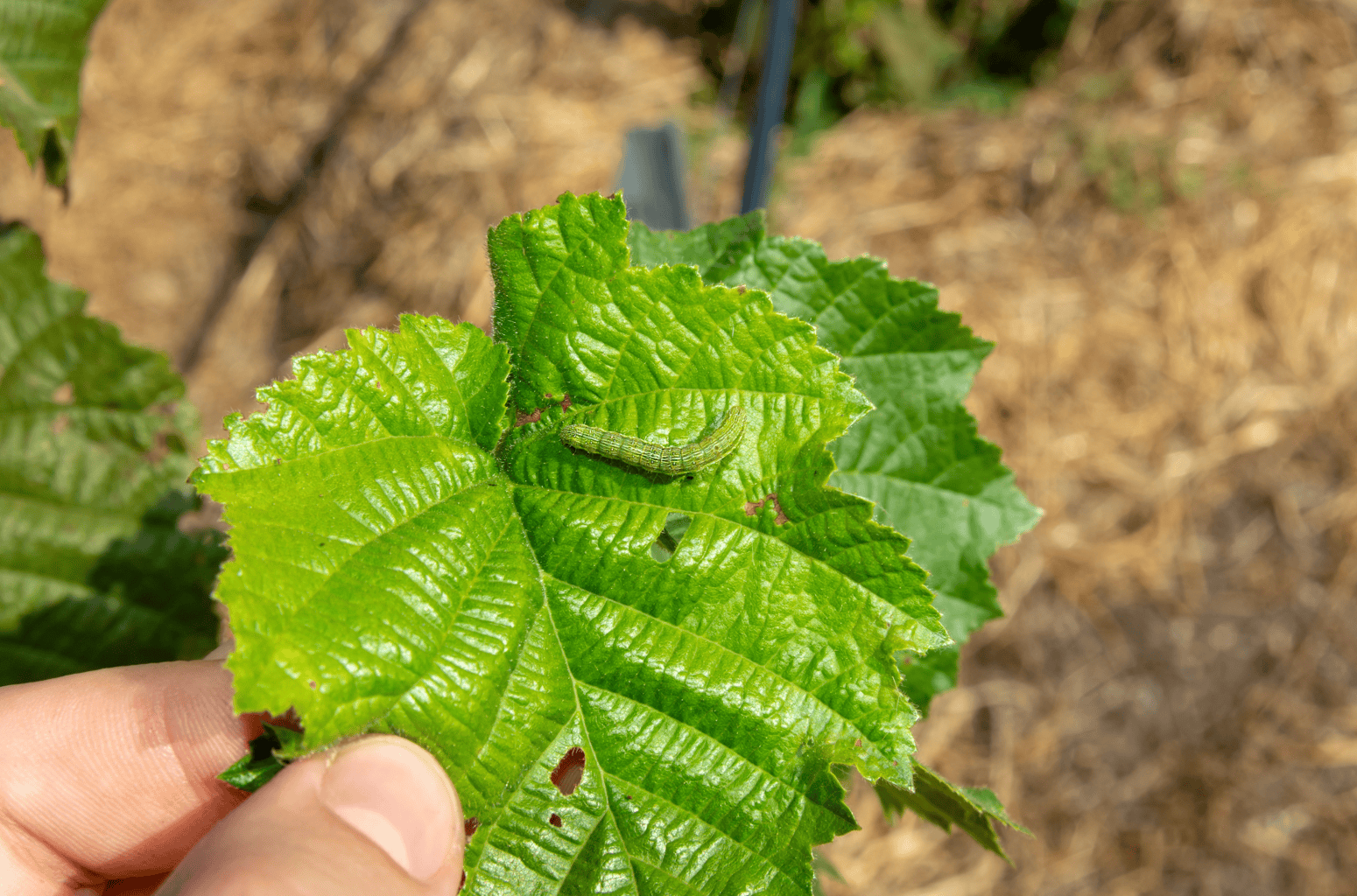
If your plants are in broken rows and mixed with other plants among them, the smell from each plant will be less distinct.
It’s proven that diversified planting consistently do better than blocks that are not diversified, and it doesn’t take any extra effort.
So as you’re planting mix in basil with your tomatoes and dill and cilantro between your broccoli. Even better, add flowers to the edge of your bed for more diversified scents.
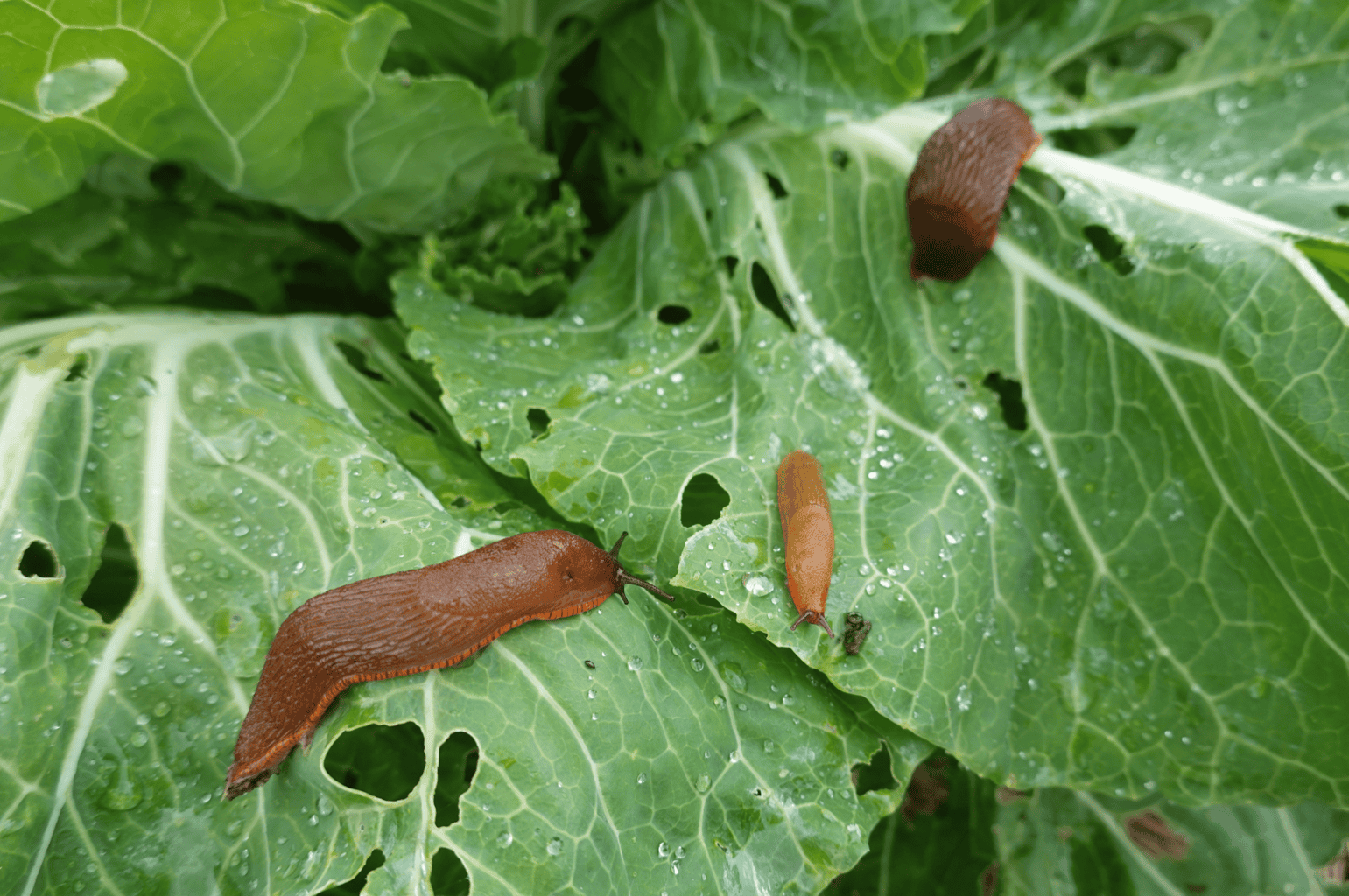
IMPORTANT NOTE: I’ve seen a few gardeners insist that certain plants repel specific pests, but most of it is untrue and not backed by science. When I tell you to mix in plants like basil and dill, I’m not insisting that these plants are the repellent. I’m saying that a mix of plants is the answer.
3. Use insect netting
This might be the best recommendation on the list, and if you only choose one, this should be it.
Creating a physical barrier for your garden is the easiest way to avoid pests. This includes insect netting or a floating row cover.
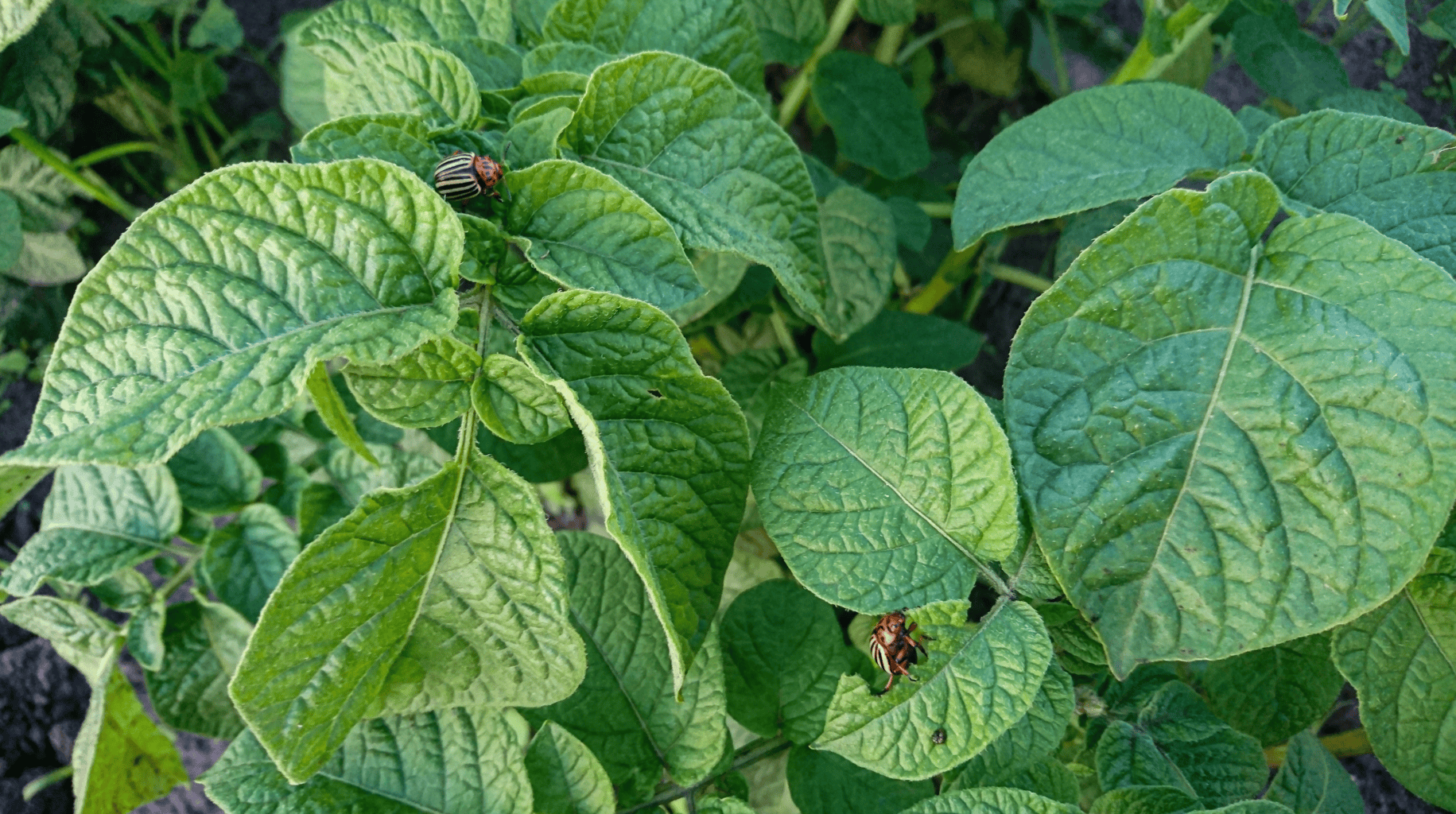
I doubt I have to explain this one, but for those who need more convincing.. cabbage moths can’t land on your kale to lay eggs if there’s a barrier there. The same goes for most pests you’ll find in your garden.
The beauty of insect netting is that it still lets light and water through so it won’t hinder their growth. And it’ll even help protect your plants from strong winds, hail, and frost, too, another perk not often highlighted.
Buy a cheap insect net and use it. You’ll be happy you did.
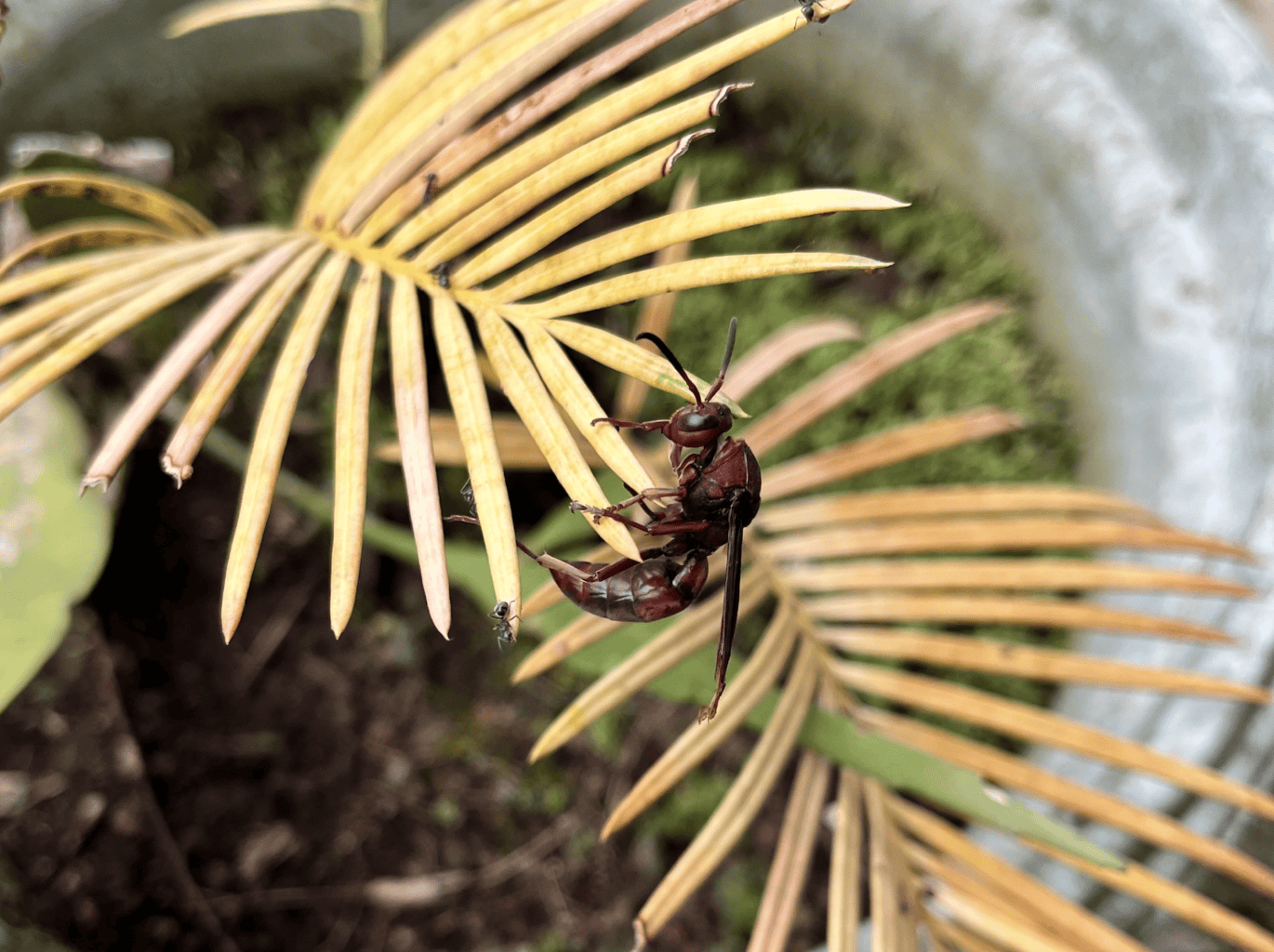
IMPORTANT TIP: If you’re working with any plants that require pollination, those must be uncovered when they start flowering. This includes squash, cucumbers, melons, etc. We need the bees to find these plants. But others like tomatoes and beans will self-pollinate, so you can keep them covered.
4. Look over your garden every morning
While this seems too simple, it’s vital for keeping a healthy garden. Most people won’t ignore their gardens for long, but even forgetting to glance around after two days could result in bugs showing up and taking over your platns.
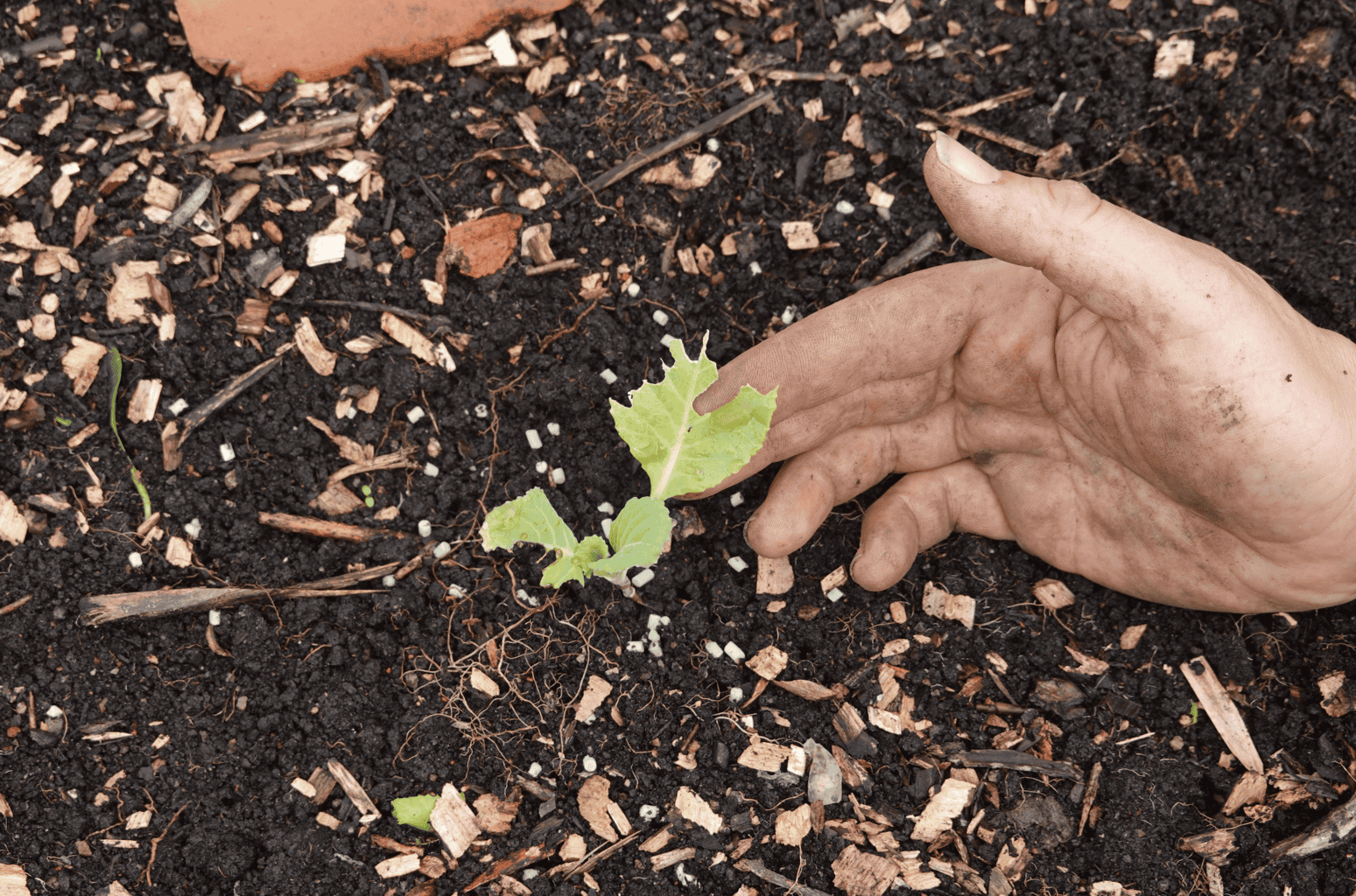
So take 15 minutes every morning, bring your bucket of soapy water, and check your leaves. Look underneath your leaves and on the stems, too.
IMPORTANT TIP: Hornworms on tomatoes are some of the most common to keep an eye out for. You’ll find them on the top with dark droppings on leaves below. For squash and cucumbers, flip the leaves over and look for eggs underneath. If you find nay, use your fingers to scrape them off.
5. Plant flowers for good bugs
Not all bugs are bad. In fact, we want to create an environment where the good bugs come and stick around. And in order to do that, you’ll want to pick one edge of your garden and plant flowers that bloom from early spring through late fall. The continuous bloom is the important part, so be picky about which plants you choose.
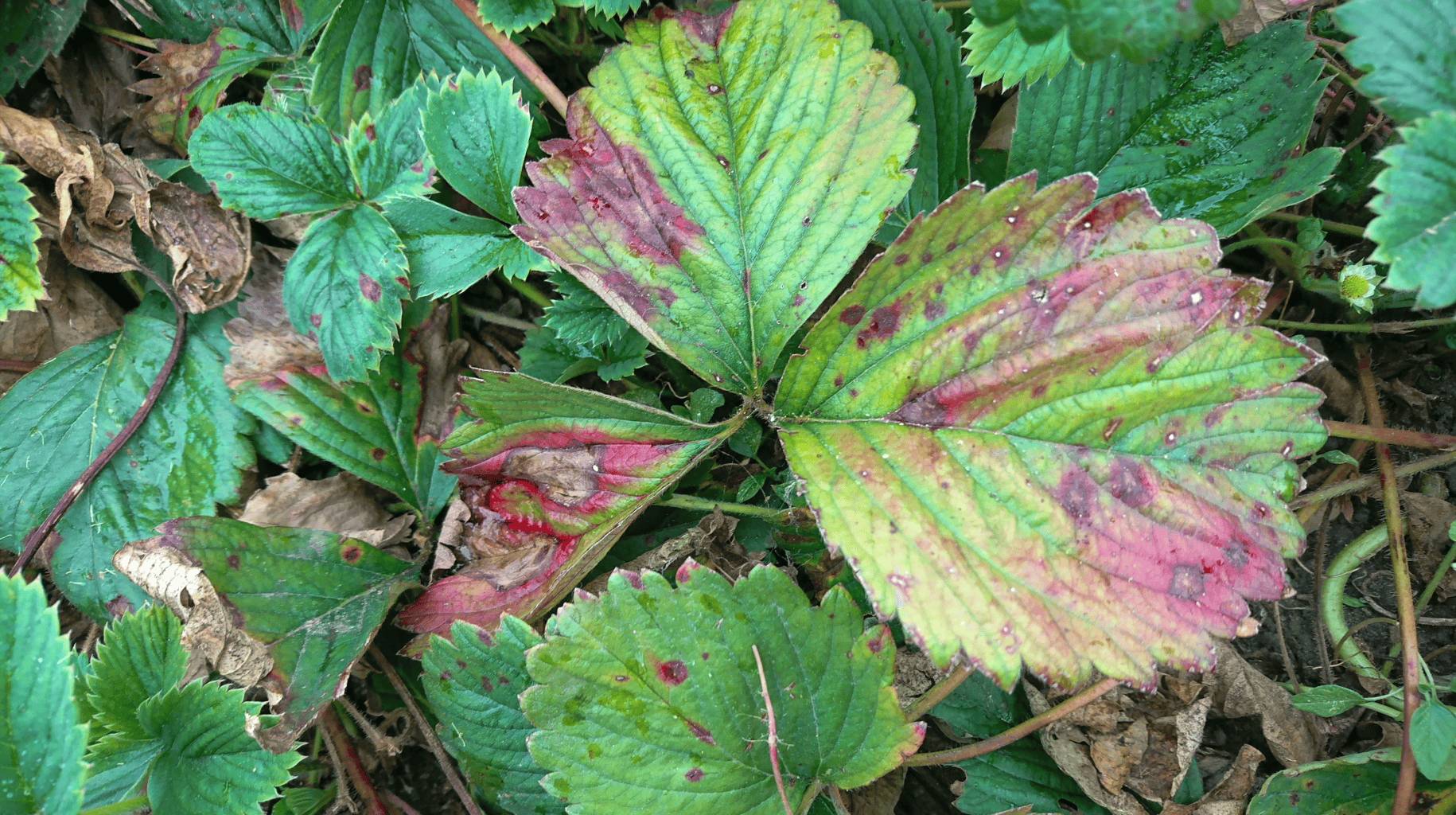
We’re specifically looking to attract lady bugs, small caterpillars, and ground beetles, among others. All of these bugs create positive benefits for your garden.
Some of the best plants for this recommendation include sweet alyssum, yarrow, and fennel.
6. A messy garden can help
I remember when I was a little girl and headlice was going around my school. After doing some research, my mom told me that dirty hair actually helped keep the lice away.. imagine that! The same goes for your garden.
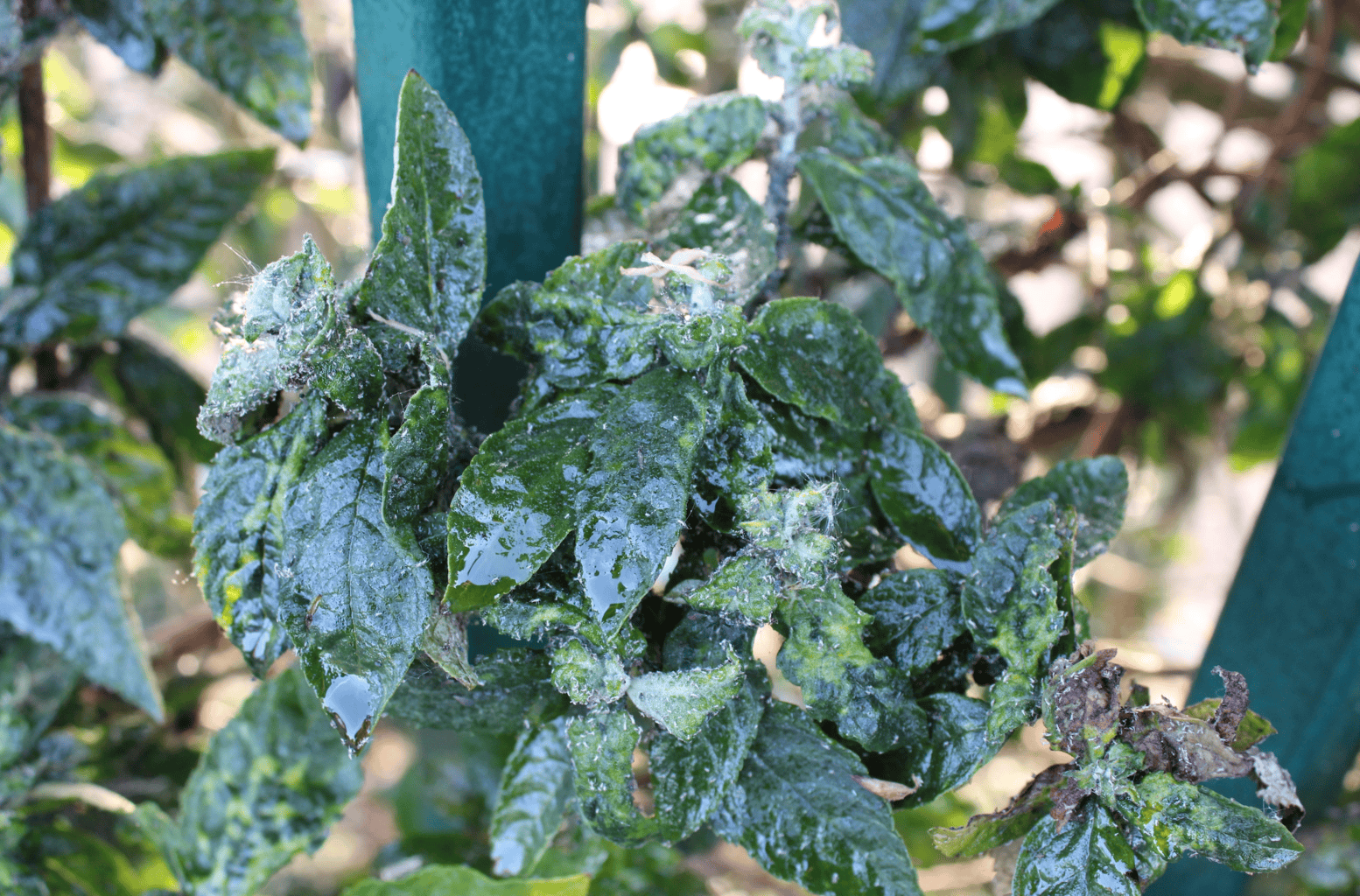
A perfectly manicured garden with extensive soil between rows becomes a breeding ground for pests. Instead, I recommend things like a small strip of unmowed lawn along the side of your garden, or a pile of rocks for habitation.
You can even add some water sources because you’ll attract more birds that will eat a lot of the annoying pests that show up in your garden.
7. Use trap crops
Keeping all the pests out of your garden can be pretty difficult to nearly impossible. So instead of trying to get rid of them completely, try to grow something in your garden that the pests want even more than your cherished plants. This will distract them from the things you want to keep safe.
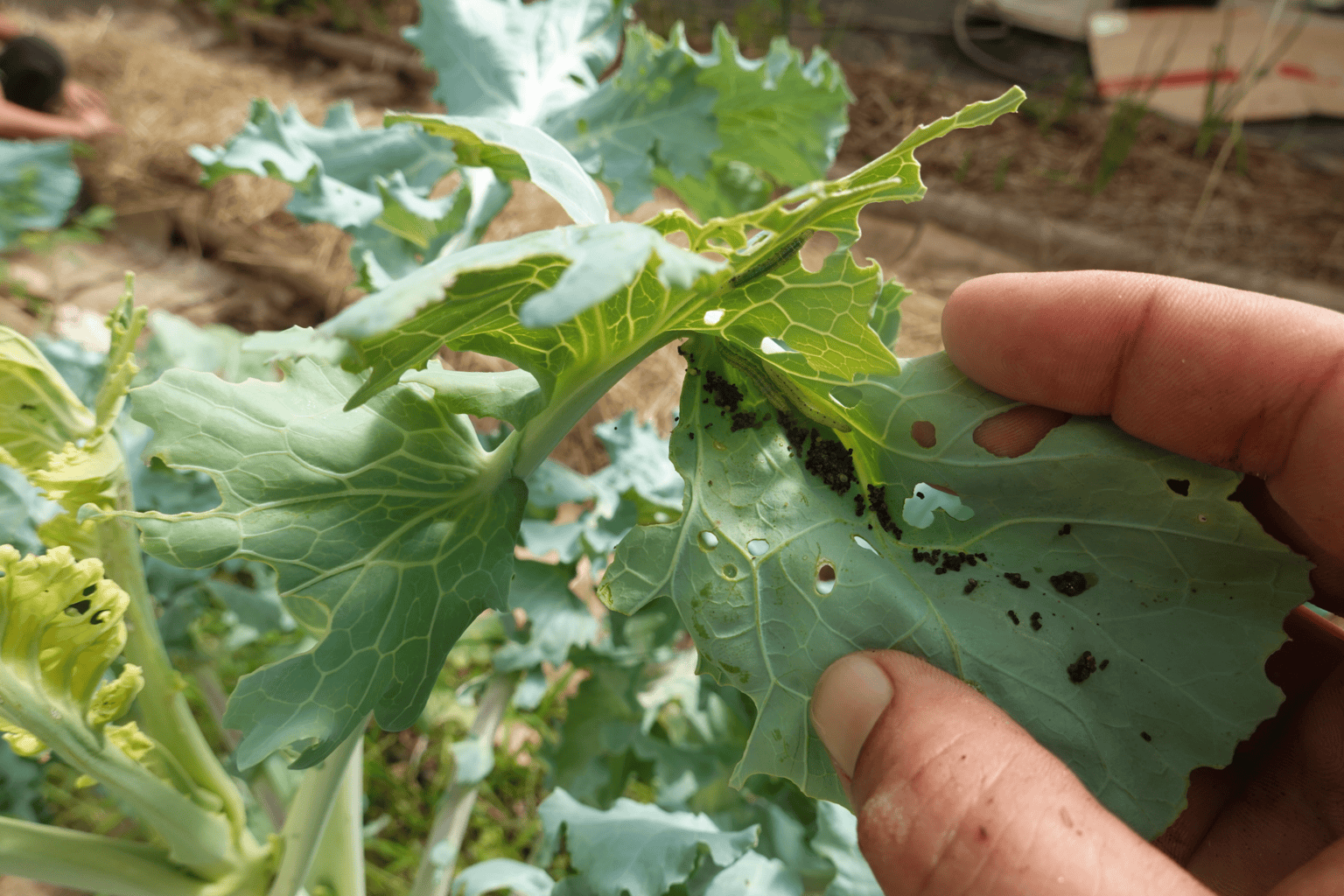
A few recommendations include nasturtiums (for aphids), radishes (for flea beetles), and blue Hubbard squash (for squash bugs and cucumber beetles).
These trap crops are nice because all you need to do is plant them once and they’ll help protect your garden all season, so you’ll have significantly less daily labor.
8. Cardboard collars on transplants
When you’re setting out seedlings, I recommend cutting a section of a paper towel roll and creating a collar out of it. From there, put it on the base of the plant before pushing it into the soil (about an inch), and leave about two inches above ground.
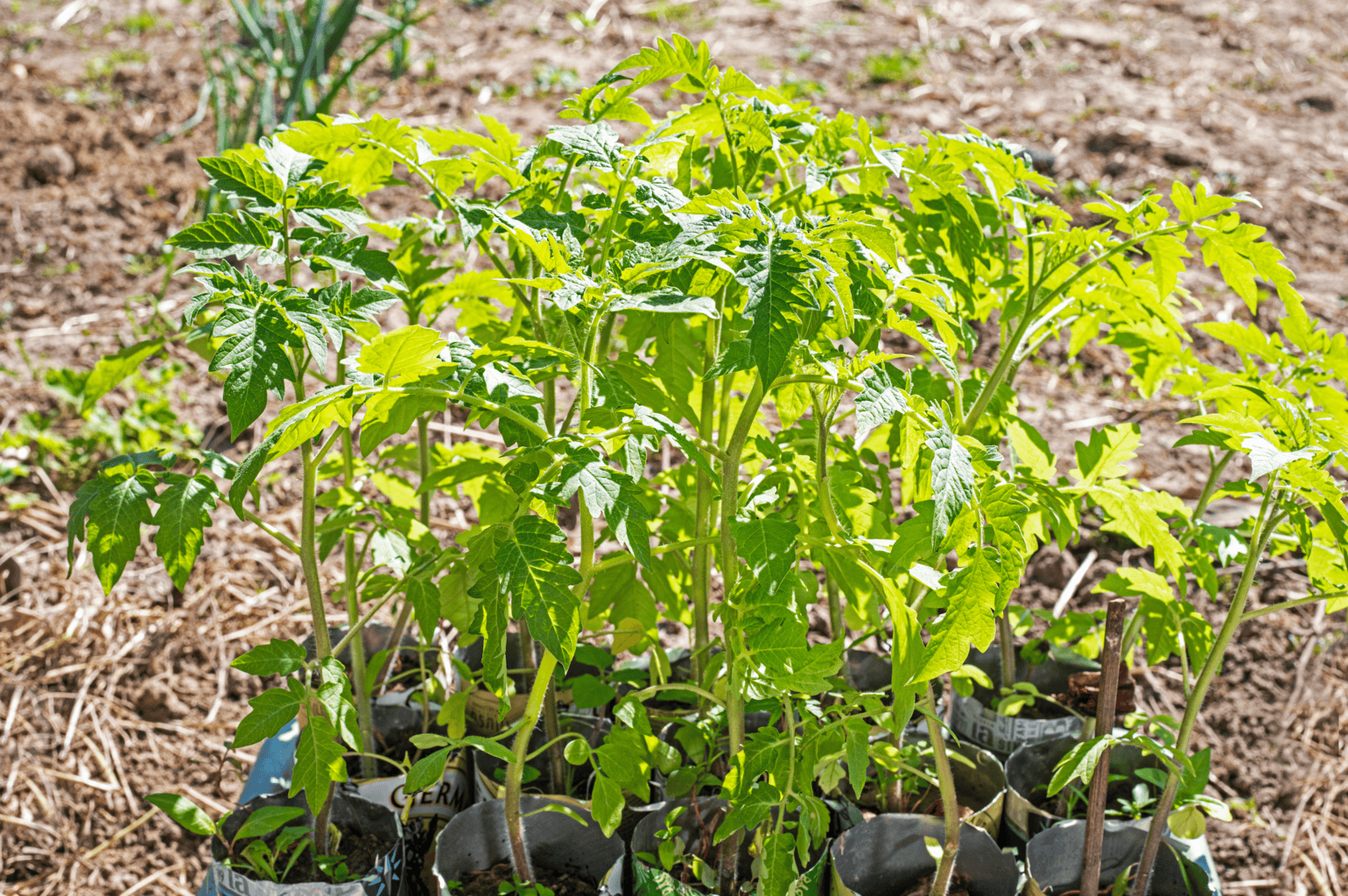
Doing this will help defend your plants against cutworms because when they come out at night, they go right for your stems. With your collar, it’ll protect against these little savages.
So what do you do with the cardboard as time goes on? The best part is that it’ll break down over 4-6 weeks, which gives your plant plenty of time to build up a strong stem; strong enough to defend itself from cutworms.
This is a trick that has been used for generations, and it’s still one of the best and simplest ways to protect your garden.
9. Understand which bugs are good and which ones are bad
There are people that will see bugs and immediately think they need to go. But the truth is, there are plenty of bugs that keep your garden healthy and thriving, and knowing the difference between these bugs is vital for the success of your bed.
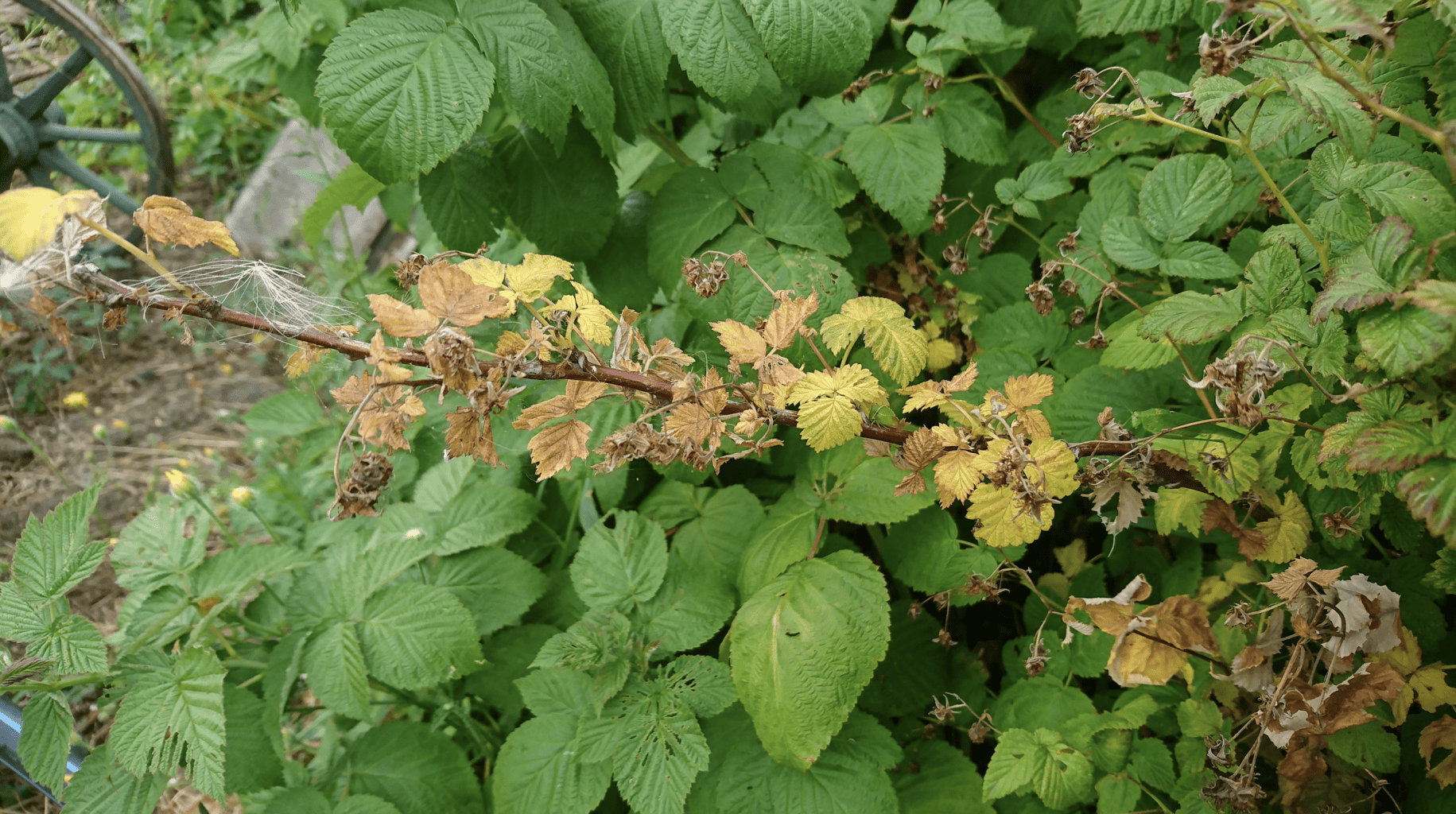
Here’s a quick rundown of the good bugs:
- Lady bugs + larvae (lady bug larvae is one of the most commonly killed creatures in gardens – please look this up so you don’t make the same mistake)
- Lacewings
- Hoverflies
- Ground beetles
- Parasitic wasps
- Praying mantises
- Spiders
- Dragonflies
- Damsel bugs
- Big-eyed bugs
- Assassin bugs
- Soldier beetle larvae
- Fireflies
10. Know what to use for spray
There are certainly times where you’ll need to step in if you’re noticing your plants are struggling. The difference is you should know what you’re using and why.
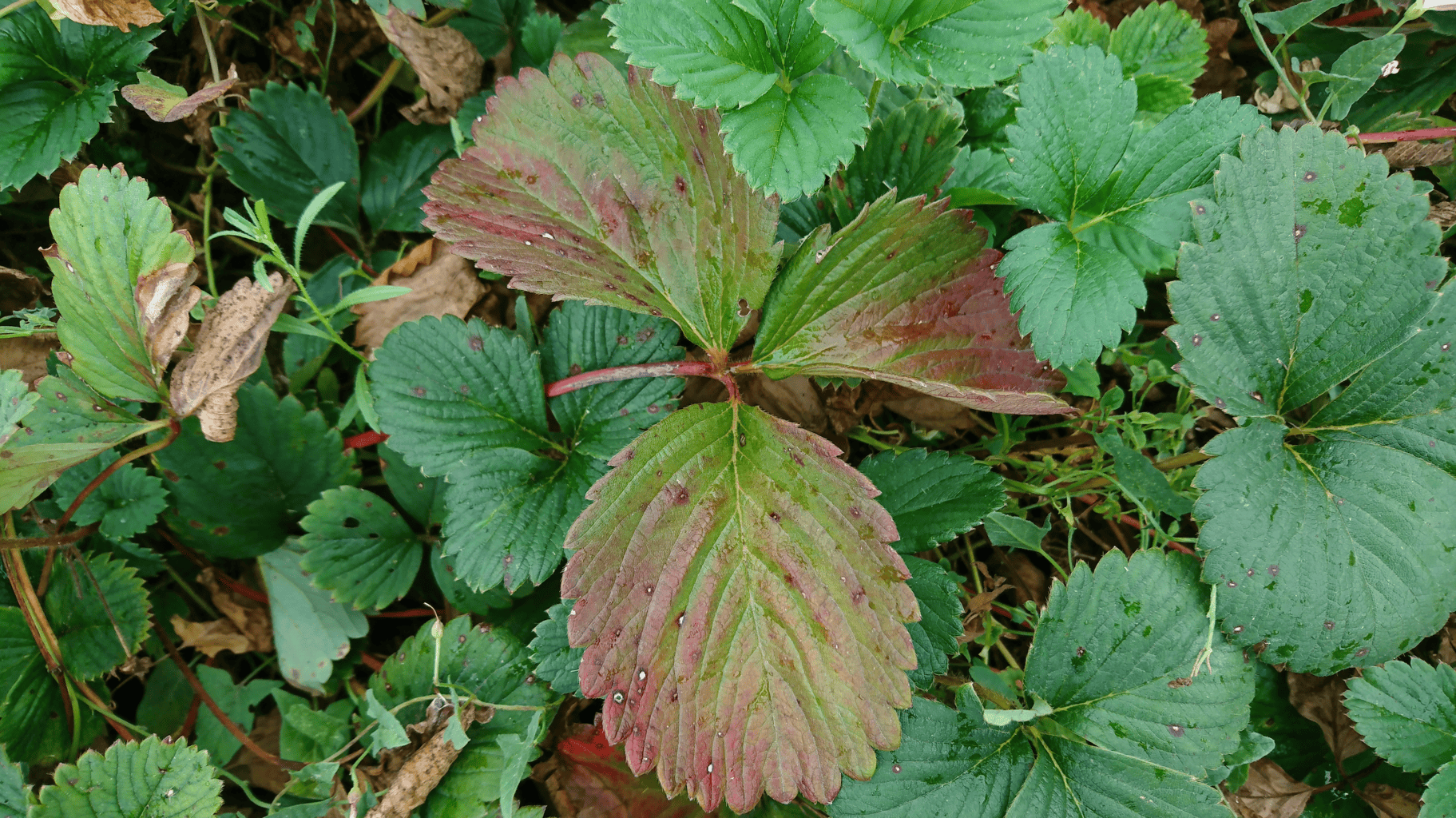
Here’s a quick rundown:
Bt (Bacillus thuringiensis kurstaki)
This is a naturally occuring soil bacteria that will help protect your plants from caterpillars, including cabbage worms and hornworms.
It’s approved for organic gardening and it won’t harm important bugs and creatures like bees or earthworms.
That said, Bt does kill ALL caterpillars, including monarchs and swallowtails, so be aware of this before using it, and make sure to avoid using this particularly on your dill plants becuase that’s where yo’ull find swallowtail caterpillars.
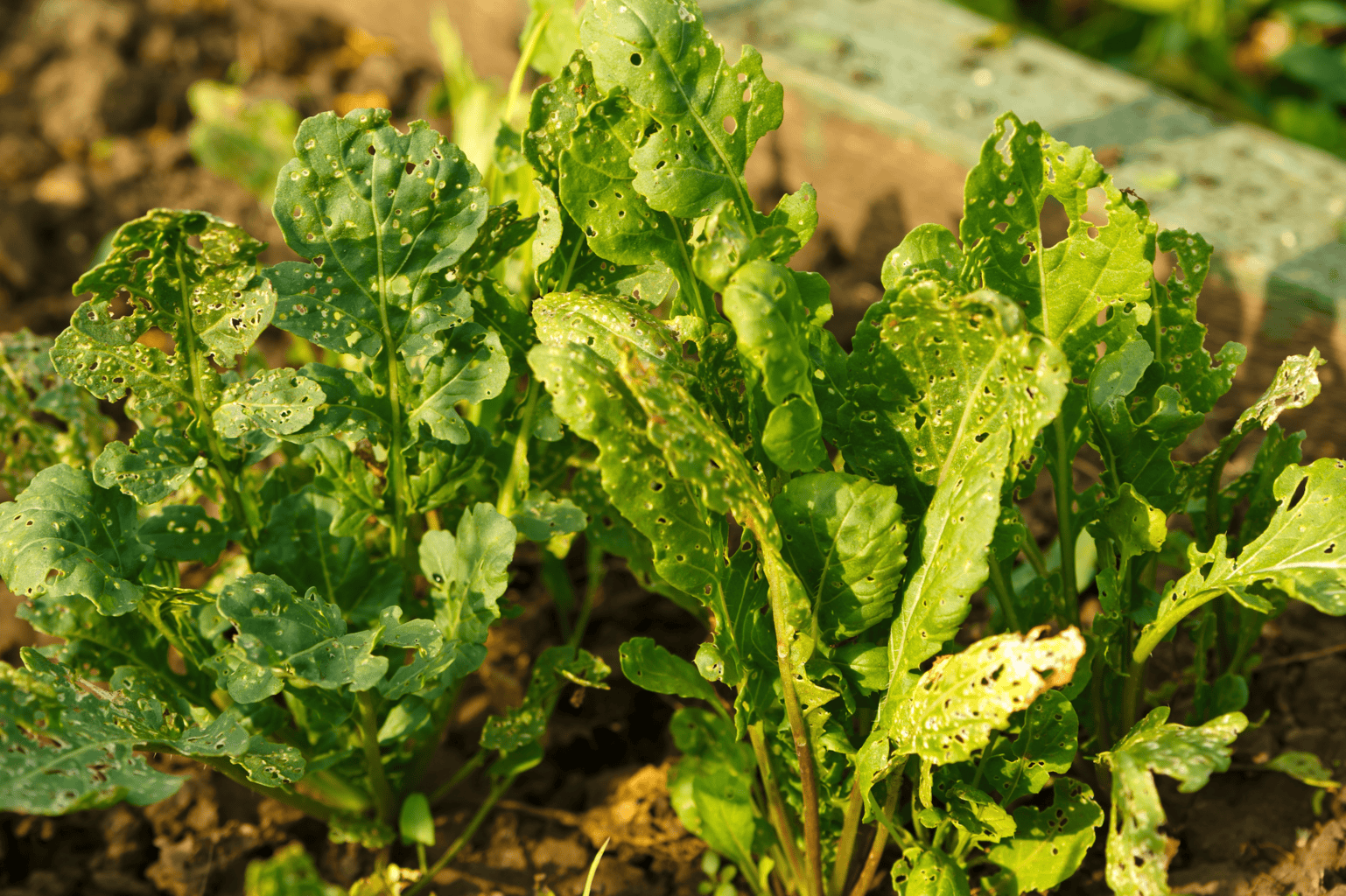
Kaolin clay (Surround)
This is a fine clay that you spray on fruit trees. It will coat the surface and make them hard for pests, particularly plum curculio and cucumber beetles. This one is super helpful, and I do recommend it when applicable.
Insecticidal soap
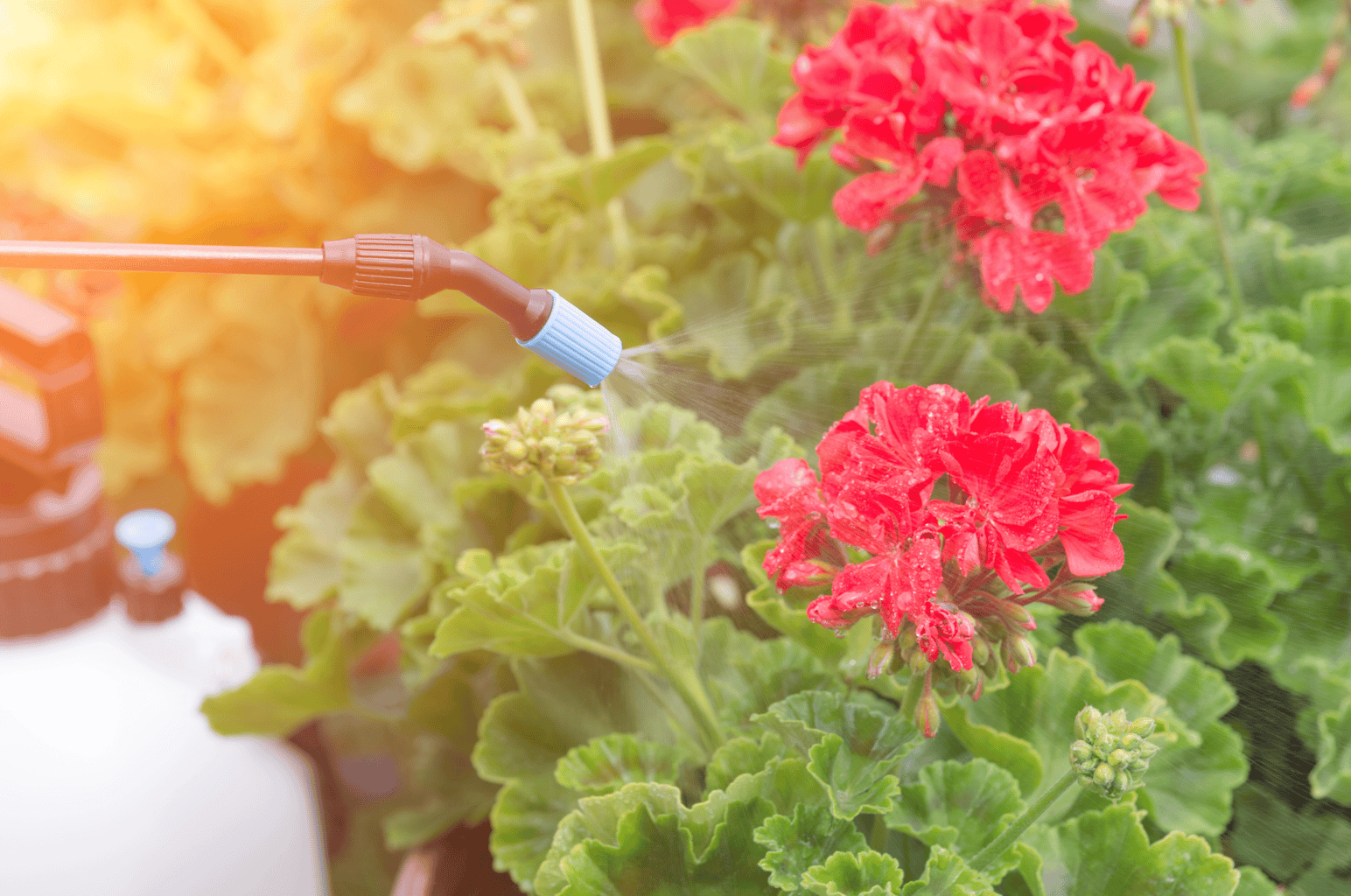
Insecticidal soap works well against aphids, whiteflies, and mites. It has zero residual effect and will only kill what you spray or wash. But of course, there are some downsides to this. It will burn leaves that are in the sun, so I recommend spraying early in the morning or late in the evening.
Homemade garlic and hot pepper spray
This is a deterrent, and while many swear by it, I think it’s really important to state that this is a not going to kill the pests. I’ve actually found garlic to do very little for my plants, but many people love to use it.
To try it yourself, chop 4-5 garlic cloves and two hot peppers up, put them in a quart of warm water and let it sit overnight. In the morning, strain it and add a teaspoon of dishsoap. From there, you can spray it on your leaves, but again, do this in the early morning or later evening.
11. Keep the bigger animals out
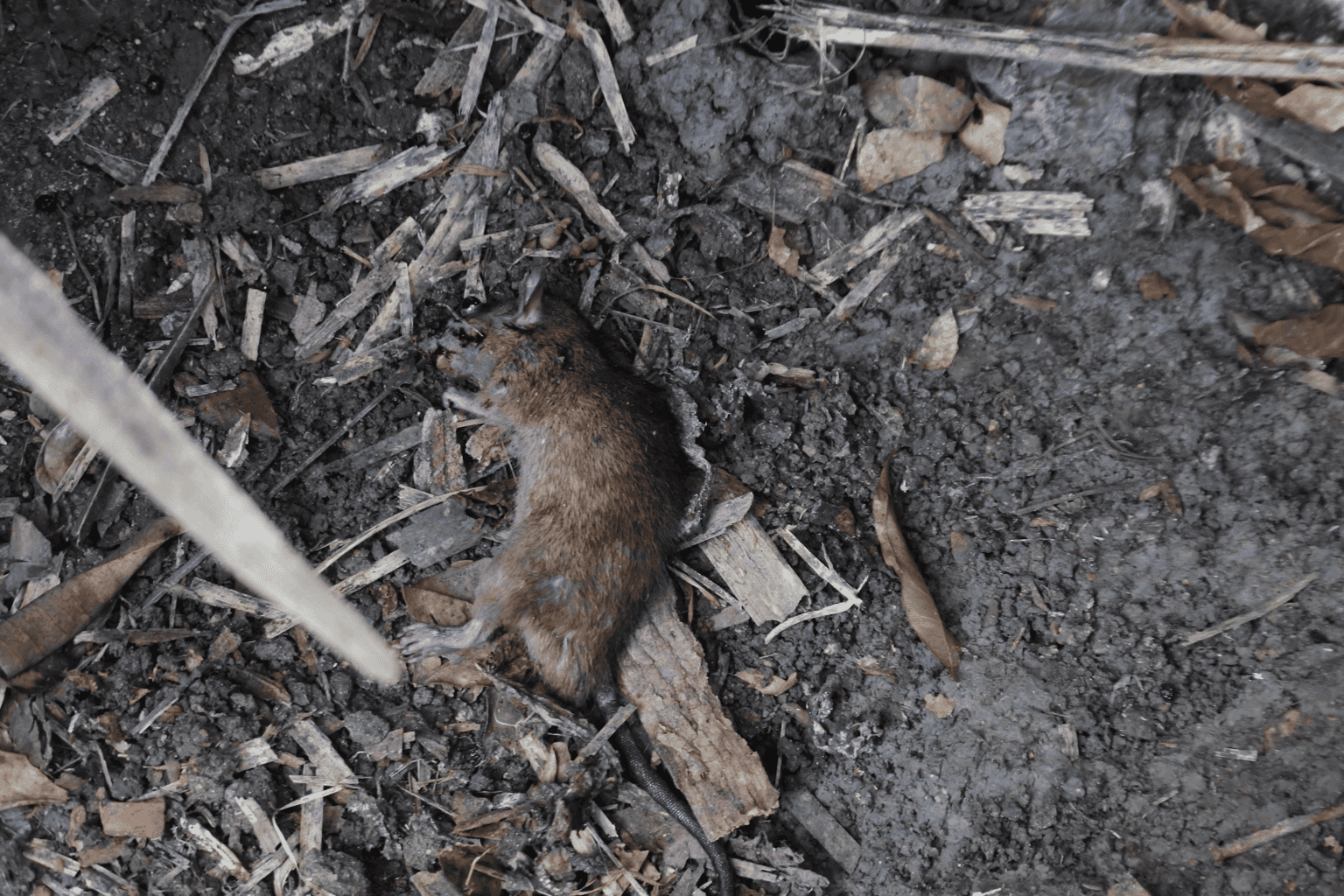
Let’s be real here.. insect problems are going to happen, and they are typically a small problem compared to the bigger pests that will make their way into your garden. I’m talking groundhogs, rats, rabbits, deer, squirrels, etc.
The best thing you can do is build a fence around your garden, and make sure it’s deep enough in the ground that it keeps out the animals that can dig their way into your garden.
The fence combined with the insect netting will keep out almost all animals, so use them together.
You might be wondering about dogs, chickens, etc.
Dogs are actually great to have around. Their scent will keep a lot of other animals and pests out.
But chickens are a double-edged sword. Sure they’ll help with pest control but they’ll also eat all of your yummy plants. So keep this in mind.
12. Beware of things that DON’T work
As I’ve mentioned in several other blog posts I’ve written about homesteading, gardening, composting, etc.. there’s a lot of misinformation out there. And following some of this advice could be a huge waste of time.
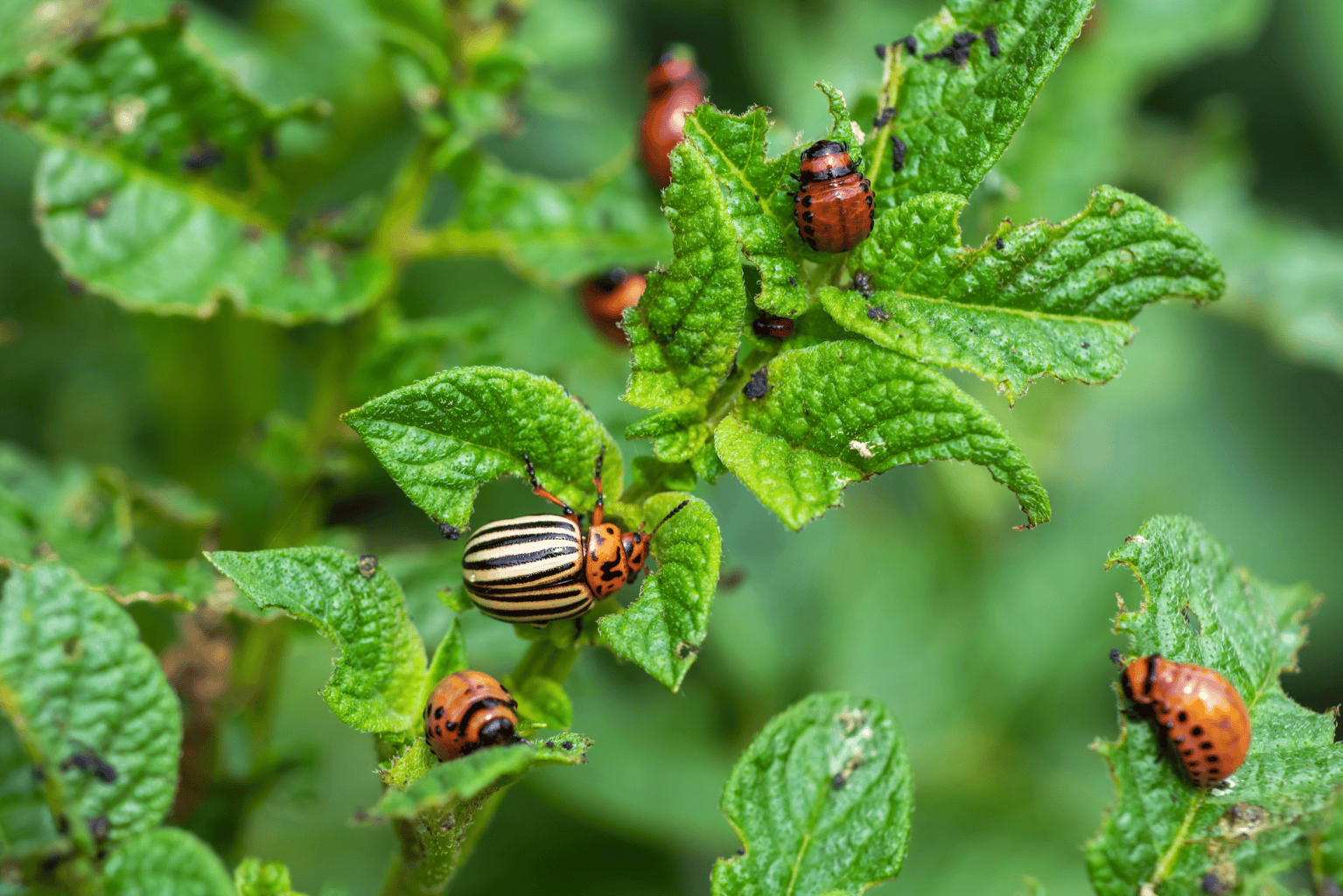
So here are somethings that I’ve seen people recommend that just don’t work:
- Eggshells for slugs – people insist they are a great barrier, but womp, womp.. they aren’t.
- Copper tape and coffee grounds for slugs – This can work, but a lot of times it doesn’t. Instead, use iron phosphate bait pellets for slugs; they are approved for organic growing and you’ll get much better results.
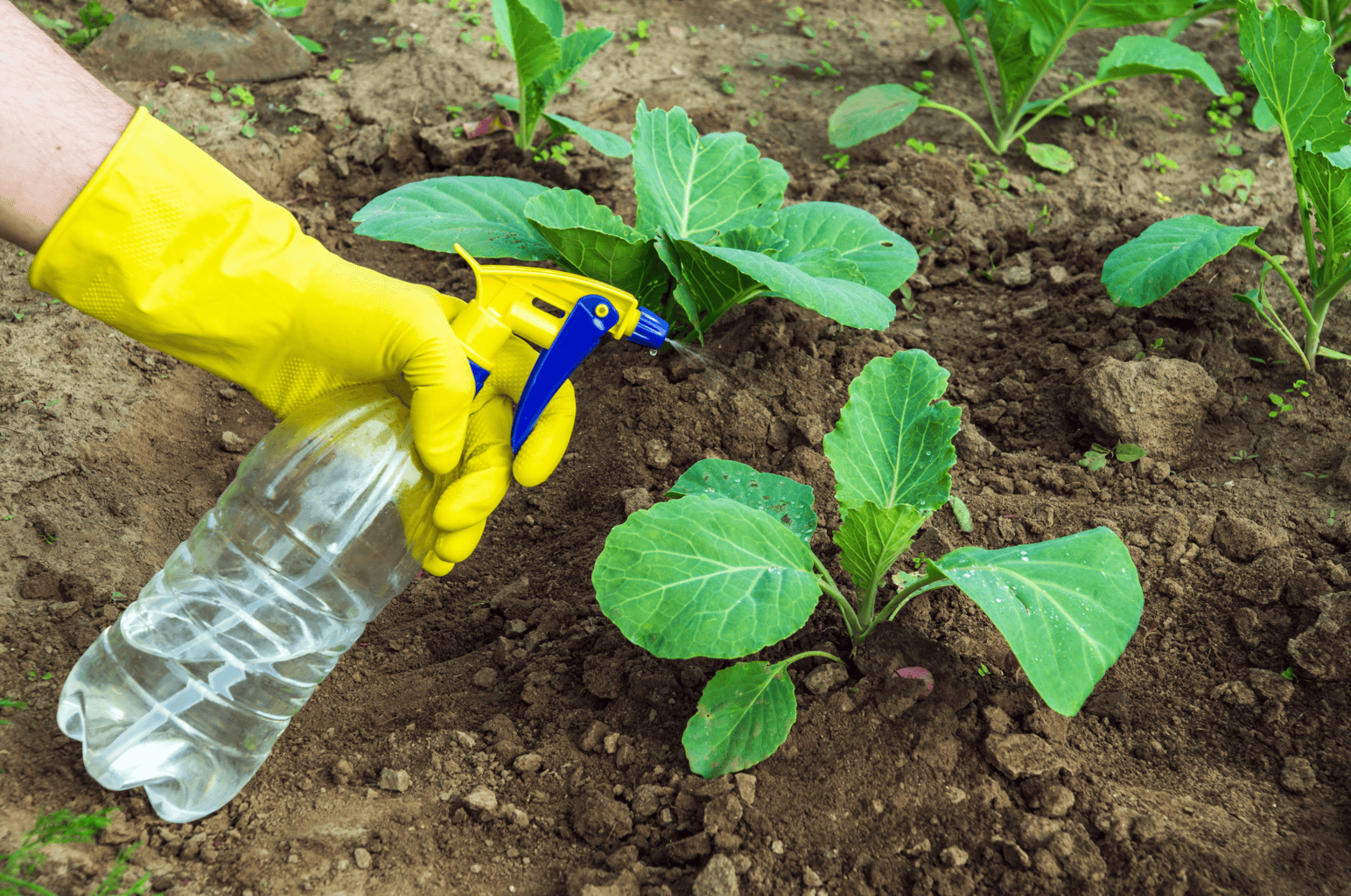
- Scarecrows, plastic owls, etc. – If you’ve ever tried this, you know that birds are a heck of a lot smarter than we think they are. They’ll get use to these within a week and they’ll be back!
- Coffee grounds for pest repellent – People insist that coffee grounds can be used for so many things, including general pest control. Let’s just say that coffee grounds work fine for compost, but not as pest repellent.
- Ultrasonic pest repellers – This is just a big no. They don’t work. Don’t waste your time or money.
As most of you know, you won’t rid your garden of all pests. And I think we all know that’s not really the goal. Sure, we want to reduce aphids, but we also want enough to feed the ladybugs.
So if you’re reading this and wondering where to start, I recommend getting a net to go over your beds, compost every year, and do a walk through of your garden each morning. That’s plenty of preventative care, and you’ll likely see great results.

Erie is the owner and author of Everywhere Ontario. She’s lived and traveled around Ontario for over 30 years, visiting small towns and big cities from the shores of Lake Erie to the crisp northern air of Hearst along the Trans-Canada Highway. She is passionate about maximizing fun and supporting local tourist businesses and is always looking to provide the best recommendations to her fellow Ontario travelers. Read more about Erie here.